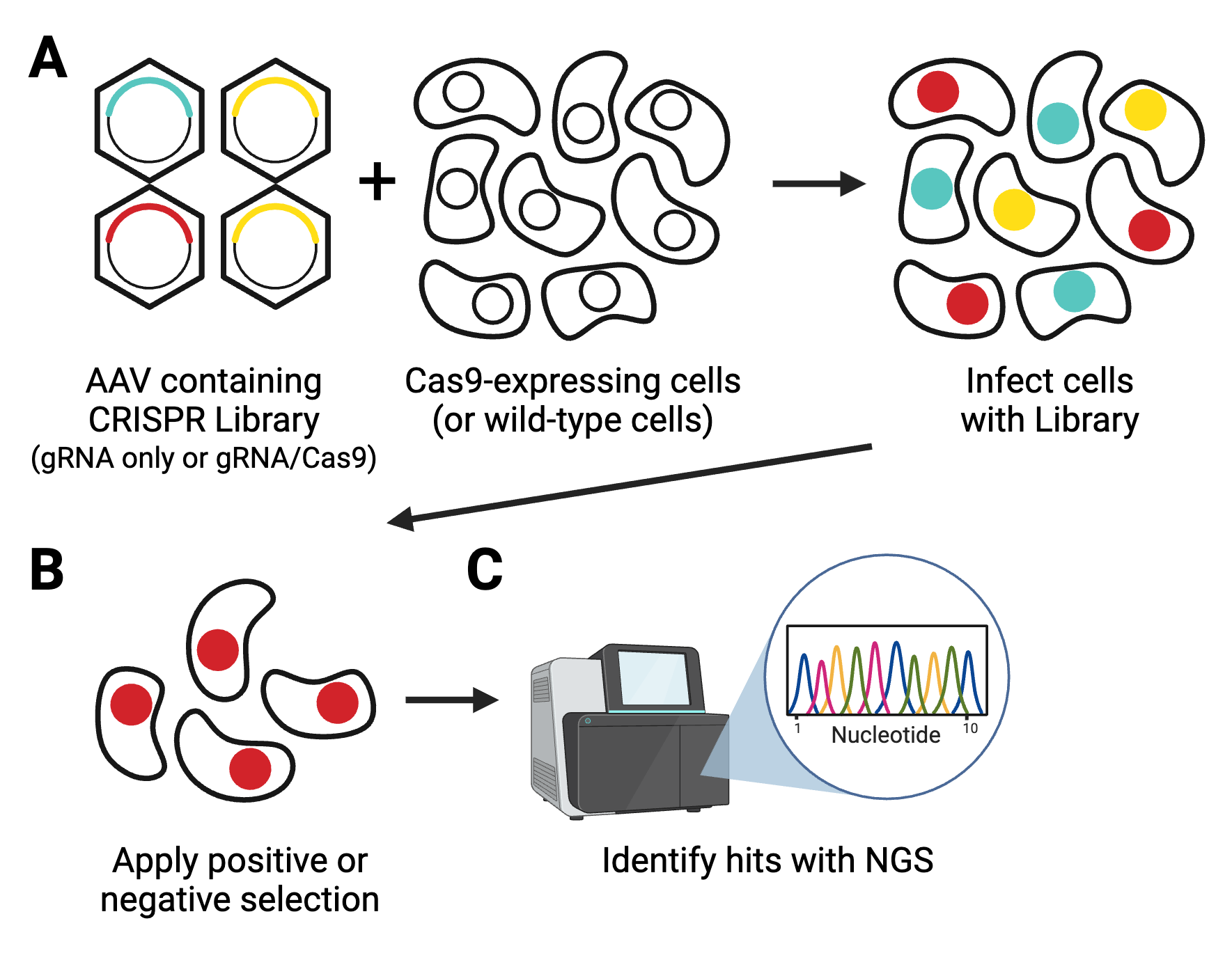
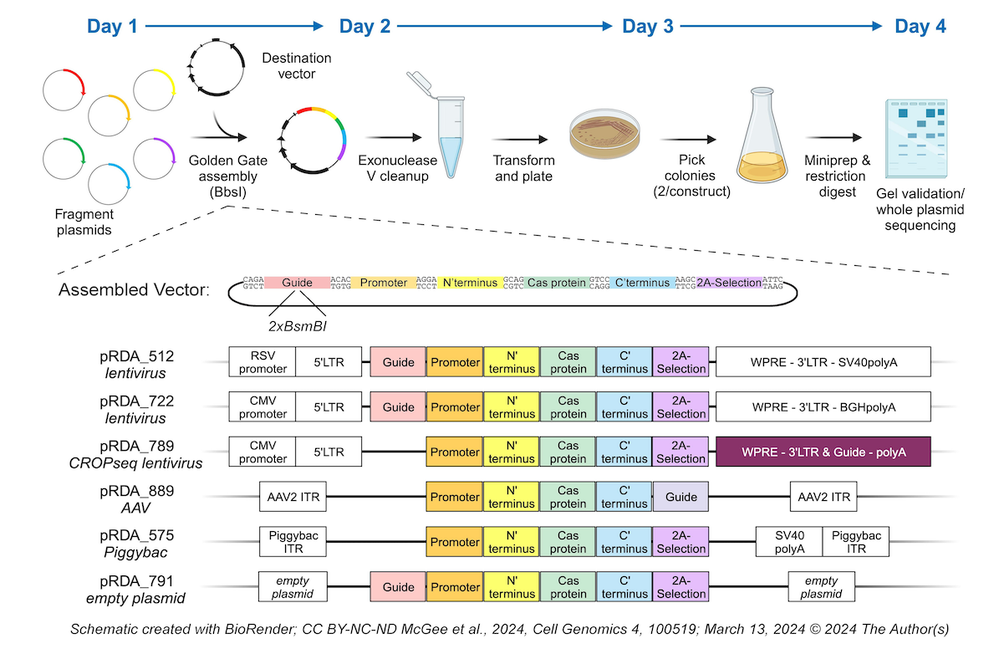
Forward genetics screens are a valuable part of the molecular biology toolbox to identify new target genes for drug discovery or to understand the intricacies of molecular pathways. These screens have gotten larger, easier, and more comprehensive thanks to the consistent ...
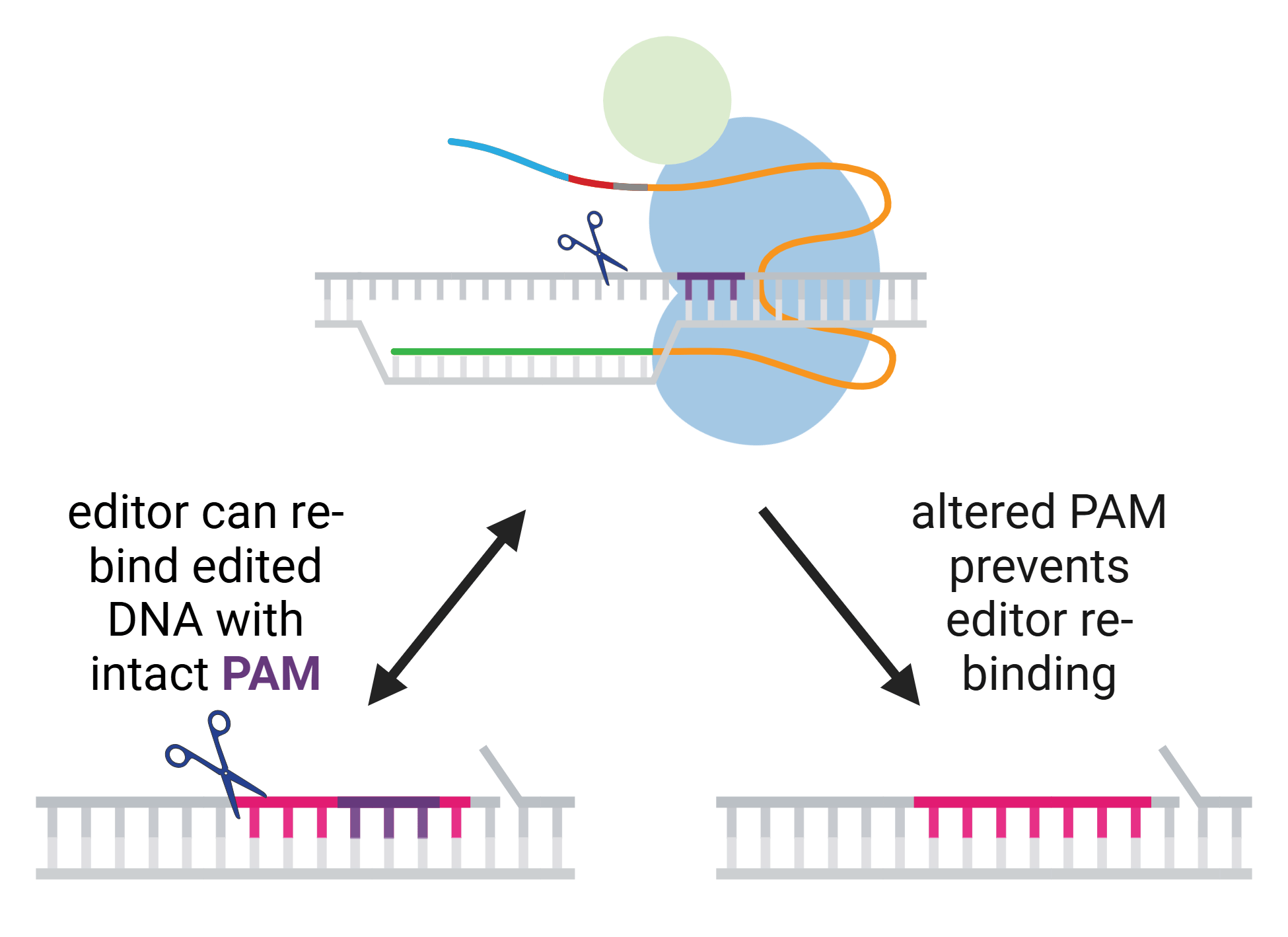
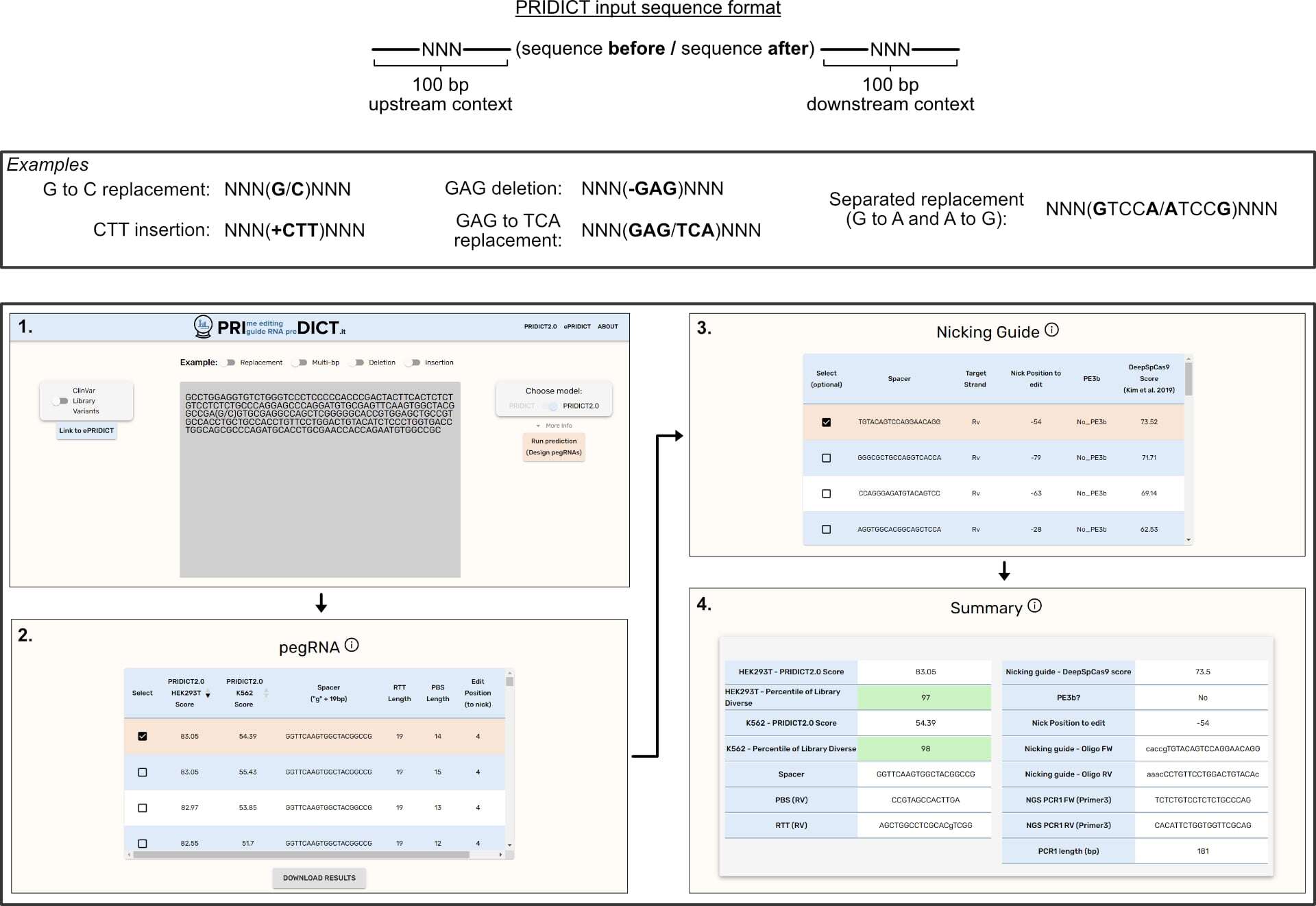
We recently updated our blog post on Prime Editing, and that meant rereading many of the original papers reporting various prime editing tools. These papers are chock full of great tips to guide your experimental design, especially the design of the RNA sequences you’ll use in ...
You’ve probably heard that only 2% of our genome is made of protein-coding genes, and you might be wondering what the rest of our genome could possibly be made up of. The answer is… drum roll please… non-coding RNAs! You probably didn’t see that coming, right? Non-coding RNAs ...
Addgene is proud to present our updated CRISPR Guide!
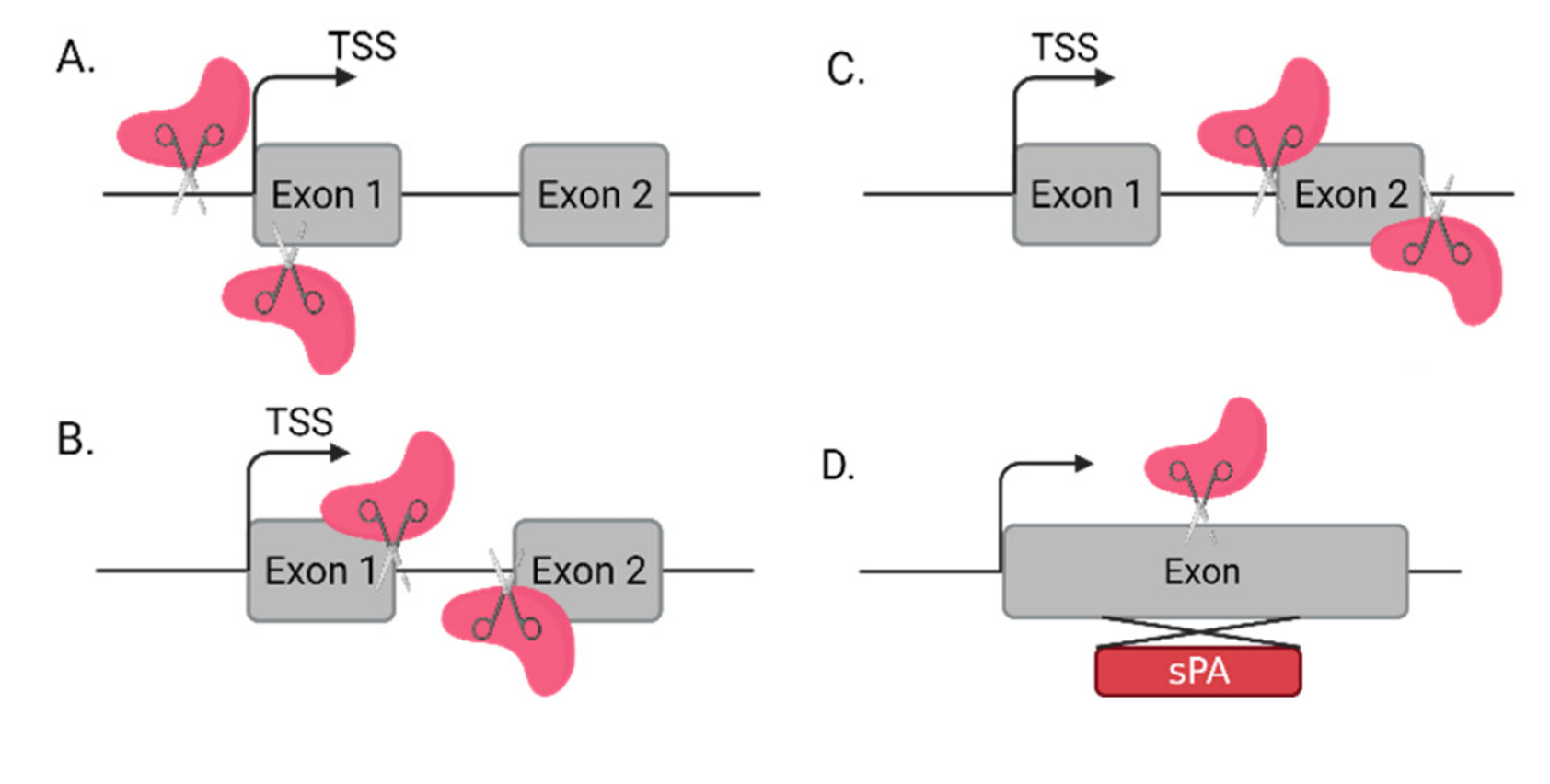
If you’ve ever been looking for just the right CRISPR vectors on Addgene and found instead ones that were… pretty close, or at least close enough, you’ve found yourself with a common dilemma. Request the vectors you can find and use them as-is, saving time and effort but risking ...
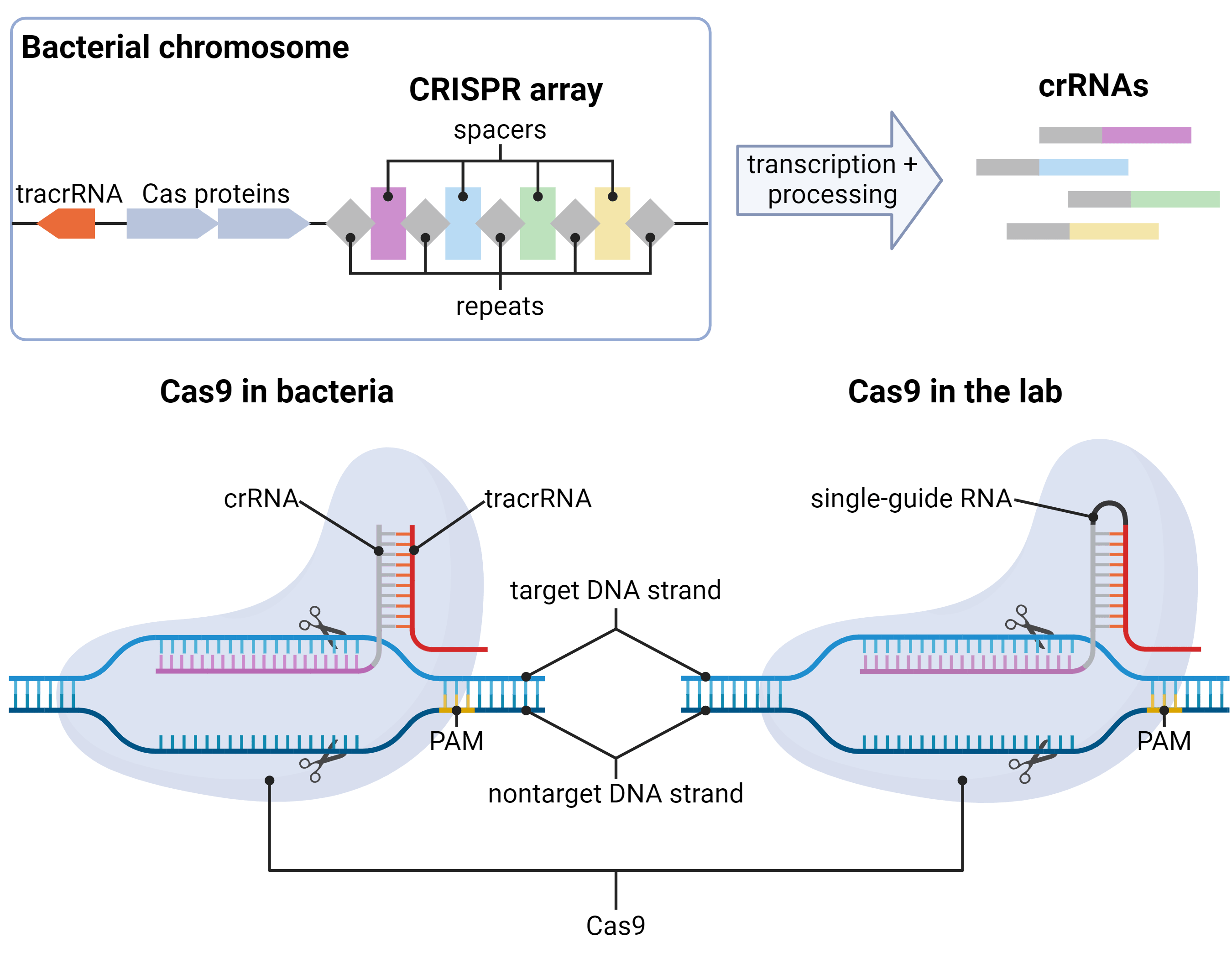
CRISPR is a sleek acronym for a real mouthful of a phrase: Clustered Regularly Interspaced Short Palindromic Repeats. That contrast of simplicity and complexity is reflected in the biology, too. CRISPR is an elegant bacterial immune system and an efficient gene editing tool… but ...
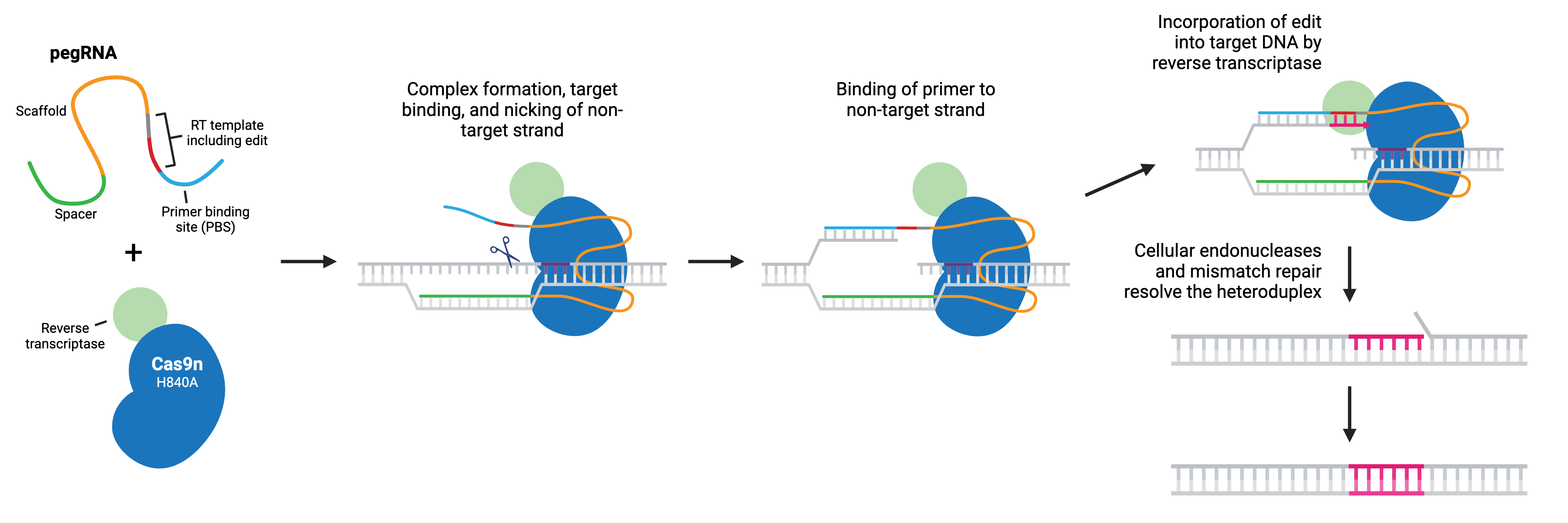
Prime editing is a versatile genome editing technology that allows precise modifications of DNA (replacements, small insertions, and deletions) without introducing DNA double-strand breaks (Anzalone et al., 2019; Chen & Liu, 2023). This method uses a prime editor (typically ...
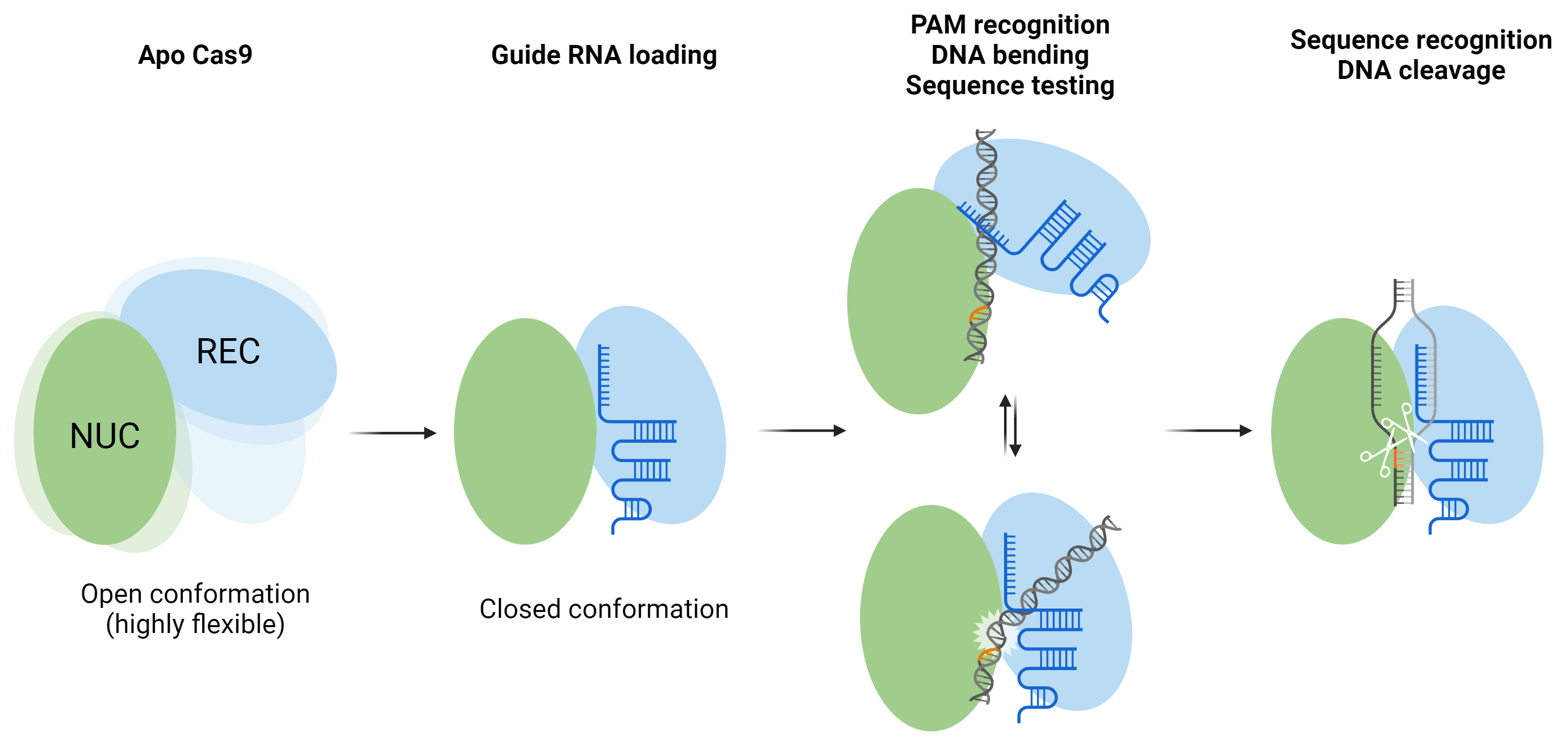
Have you ever designed a CRISPR guide RNA and wondered why it is limited to only 20 bases, or why it’s so important to choose a target sequence with a nearby protospacer-adjacent motif (PAM)? Cas9 is becoming an ever more ubiquitous tool for genome engineering, and studying its ...