The catalytically dead Cas9 protein (dCas9) is well known for its ability to bind DNA targets without changing them. Thus, it has been widely adapted for a wide variety of applications: base editing, CRISPR activation and inhibition, among others. Over the past few years, dCas9 ...
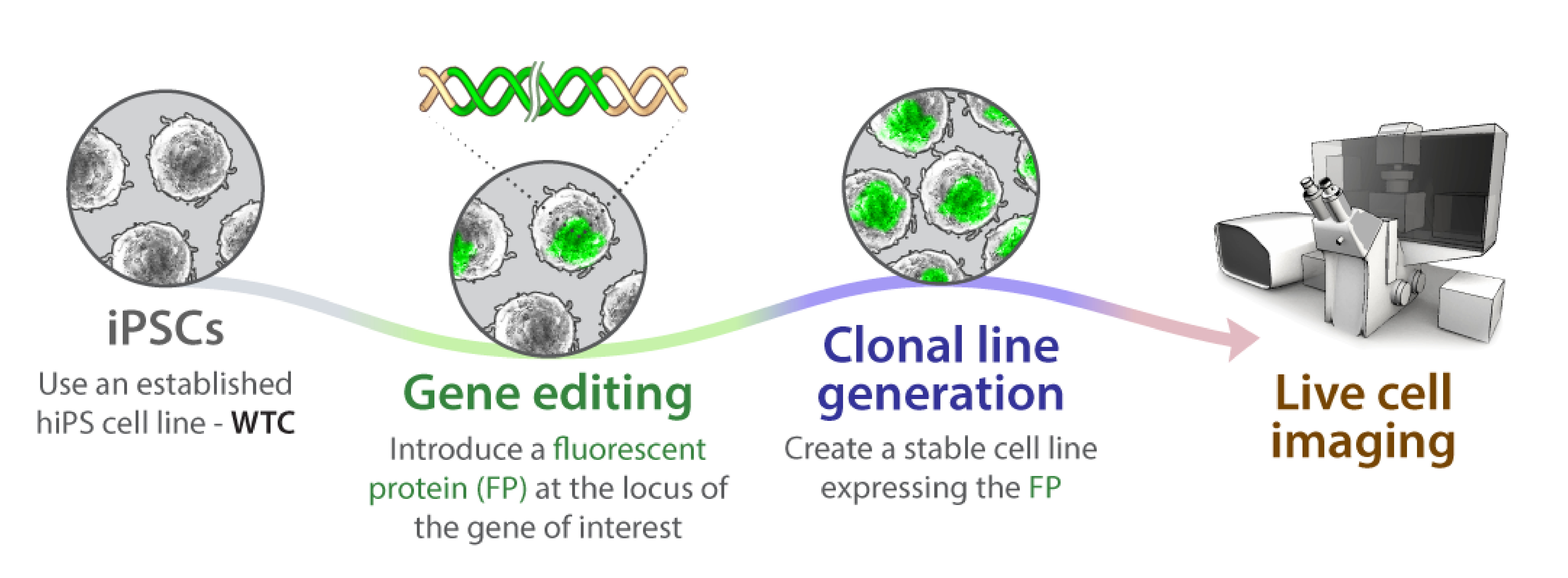
Last updated on Oct 14, 2020 by Seth Kasowitz. This post was contributed by the gene editing team at the Allen Institute for Cell Science. Learn more by visiting the Allen Cell Explorer at allencell.org and the Allen Institute website at alleninstitute.org. A classic challenge ...
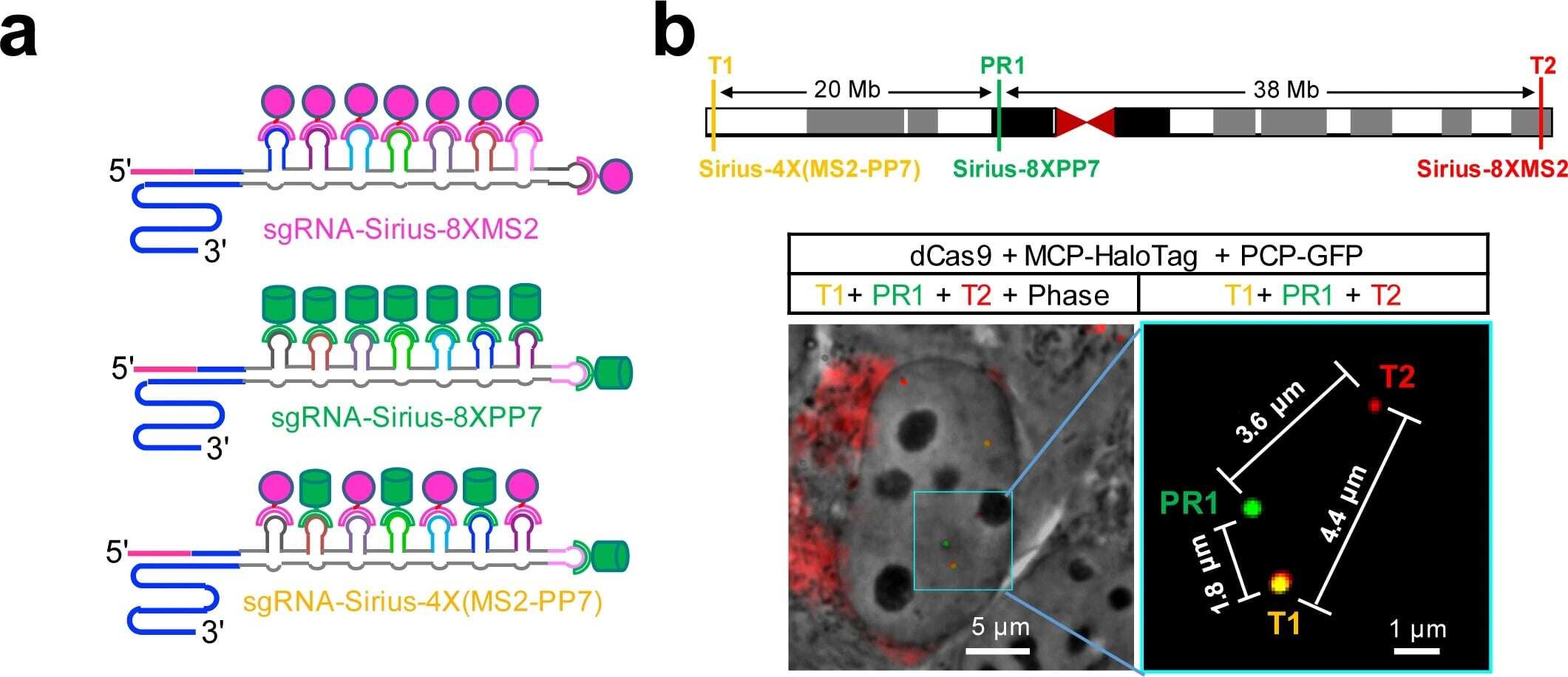
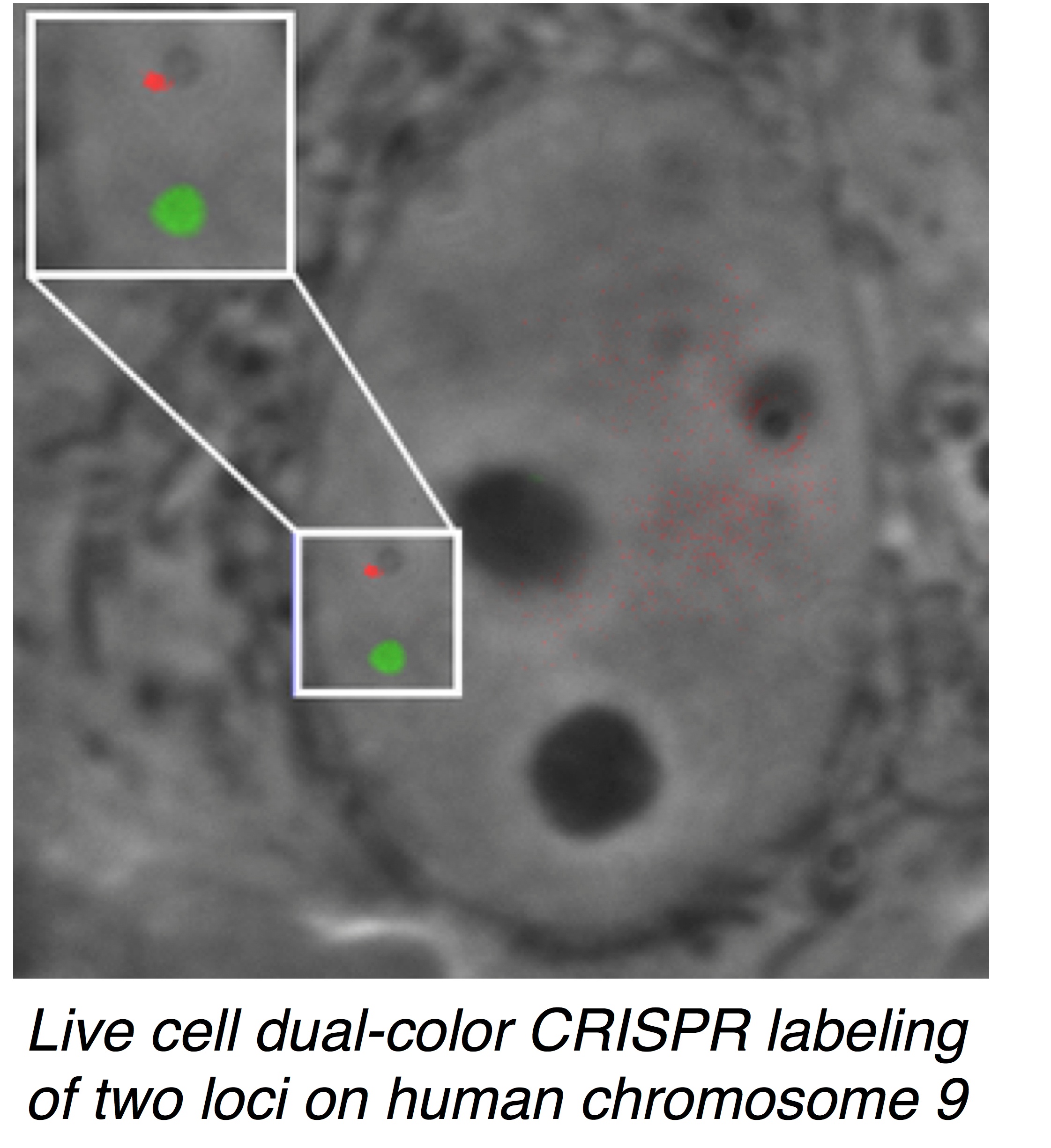
It seems that there’s a new CRISPR advance or technique published every week! One of the newest applications is a colorful system that uses fluorescently labeled Cas9 to label multiple genomic loci in live cells. While other systems can be used to label loci, such as ...