Master plasmid fundamentals, CRISPR techniques, AAV serotype selection, and antibody applications. Written by scientists, for scientists.
Subscribe
Whenever possible, we love to give scientists the opportunity to share their knowledge. One of our goals is to be a go-to source of information on recent advances in the biological sciences and techniques that simplify and expedite research. We recognize, however, that we can’t ...
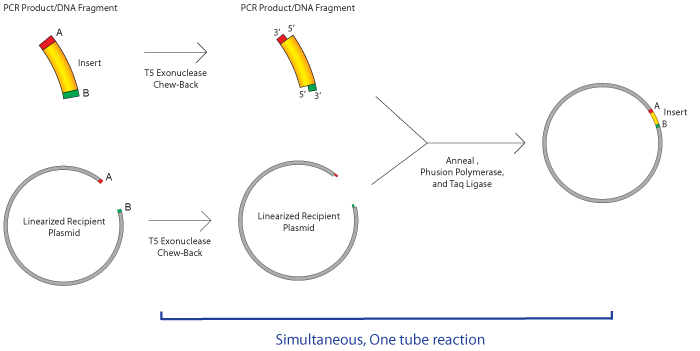
Over the past decade, scientists have developed and fine tuned many different ways to clone DNA fragments which have provided appealing alternatives to restriction enzyme cloning. These newer technologies have become more and more common, and for good reason. They offer many ...
This post was contributed by guest blogger Melanie Fox, founder and executive director of Central Indiana Science Outreach and a Postdoc at Indiana University School of Medicine. It’s not always easy to figure out what you want to do after graduate school, at least not while ...
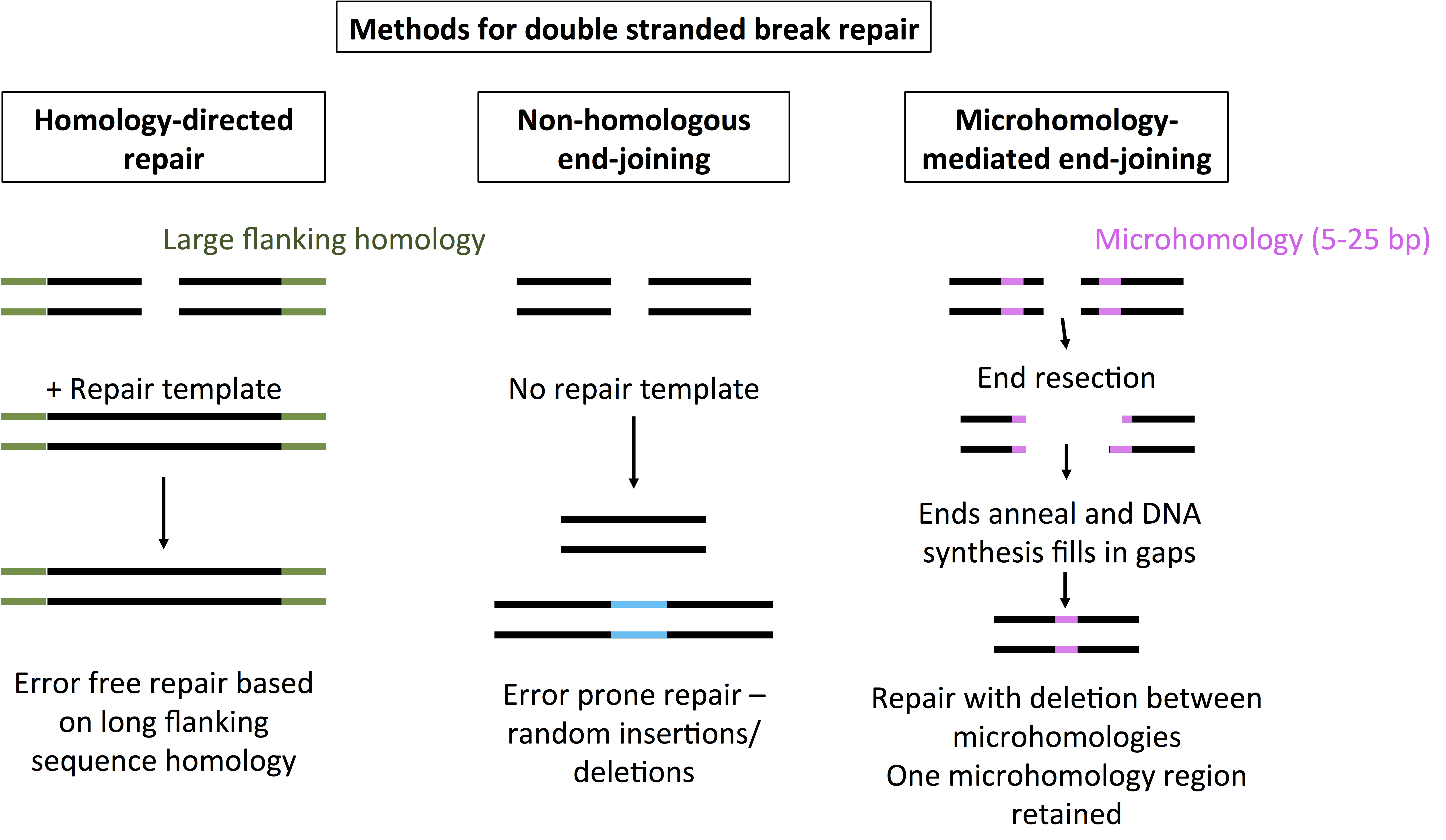
If you follow CRISPR research, you know all about using non-homologous end-joining (NHEJ) to make deletions or homology-directed repair (HDR) to create precise genome edits. But have you heard of another double-stranded break repair mechanism: MMEJ (microhomology-mediated ...
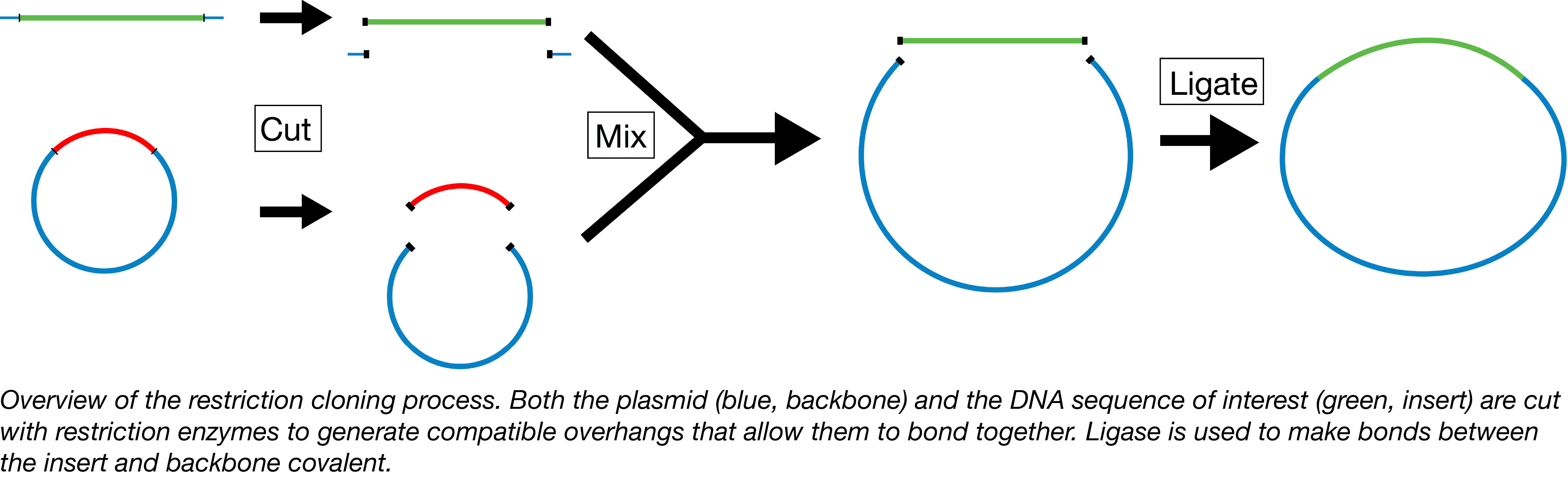
When cloning by restriction digest and ligation, you use restriction enzymes to cut open a plasmid (backbone) and insert a linear fragment of DNA (insert) that has been cut by compatible restriction enzymes. An enzyme, DNA ligase, then covalently binds the plasmid to the new ...
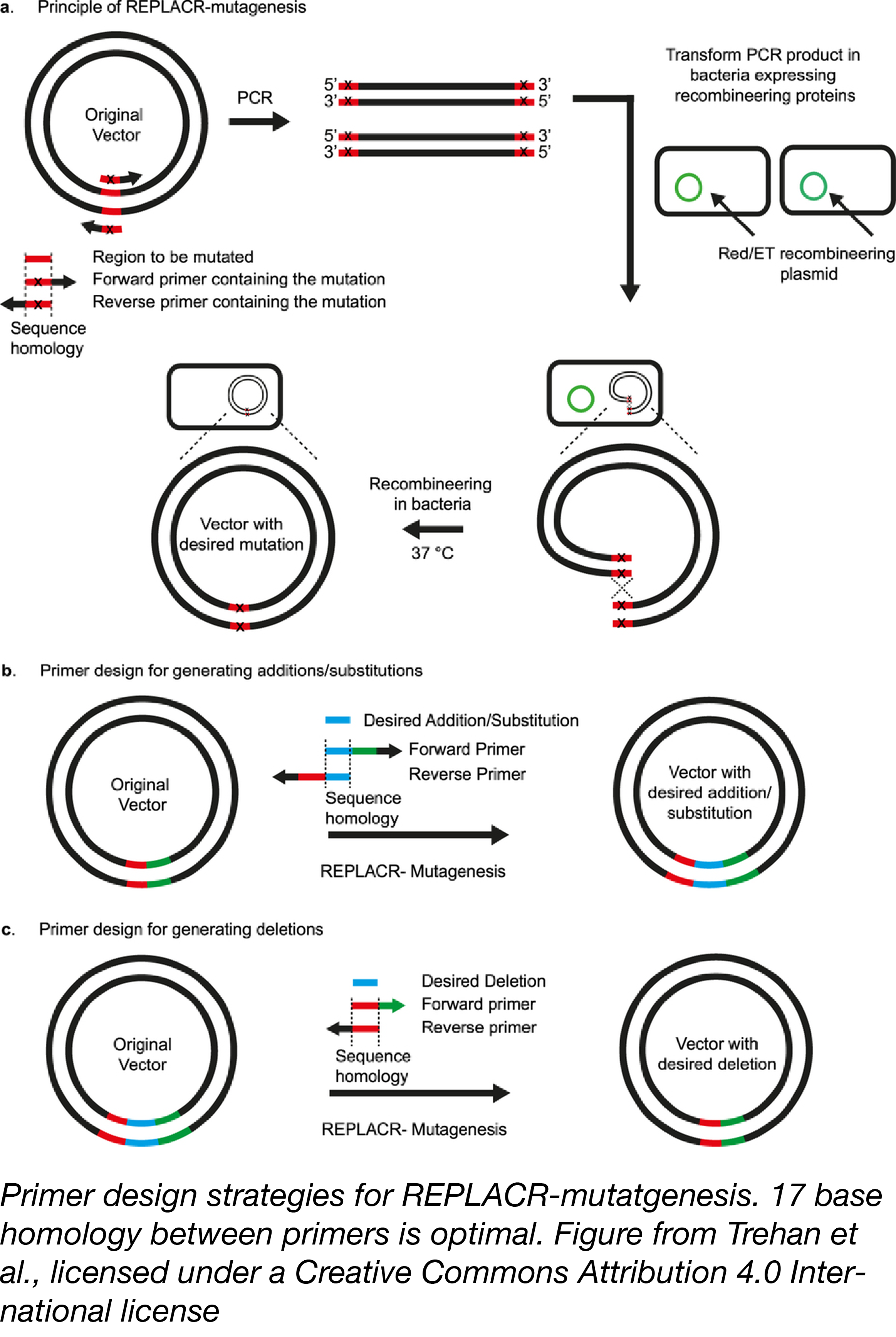
Site-directed mutagenesis (SDM) is one of the key tools researchers use to prove causation in molecular biology and genetics. It can be used to characterize the function of certain regions in a promoter or gene, as well as to study the effects of inactivating/activating ...
Meetings often get a bad rap as annoying interruptions to our “real” work. However, a well-run meeting can have quite the opposite effect. A great meeting should produce collaboration - a sense of dialogue and community among participants, clarification - new and useful ...