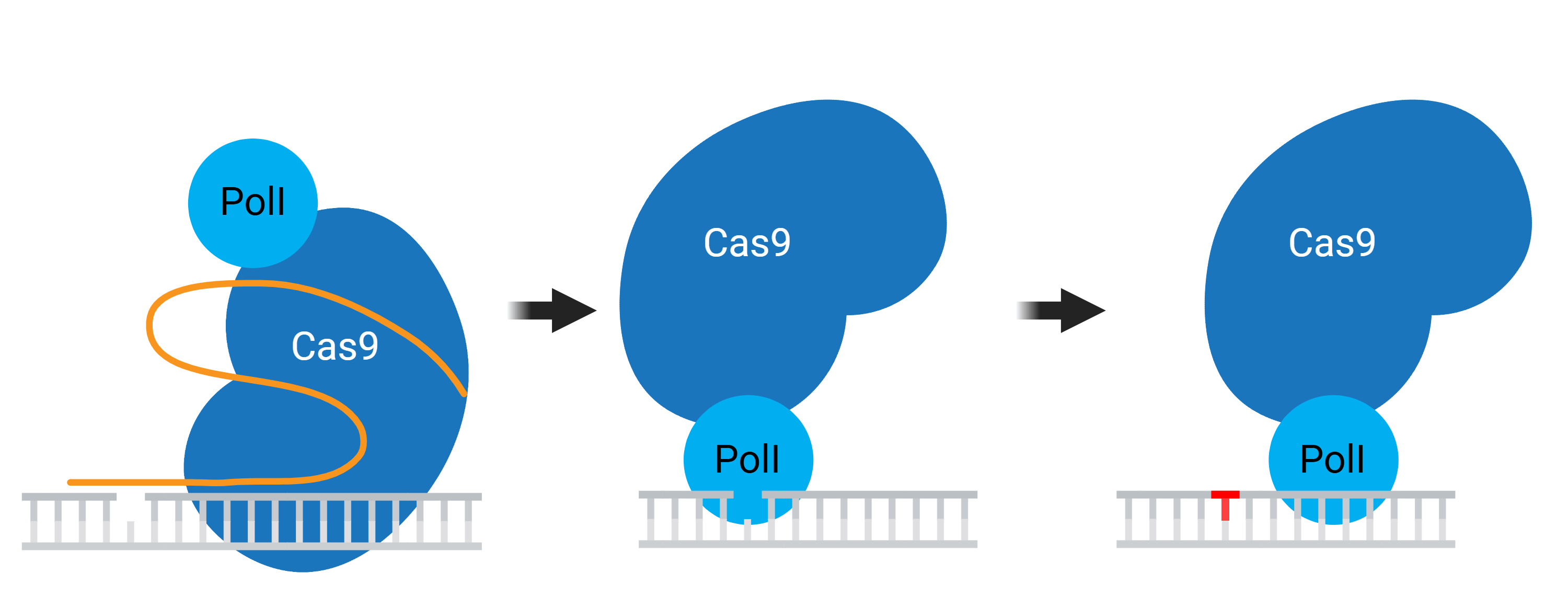
Mutagenesis is a tool that both evolution and molecular biologists use to tinker with DNA. Making changes to a DNA sequence can help scientists identify and/or facilitate the evolution of new phenotypes, and forward genetics harnesses this at a large scale by screening diverse ...
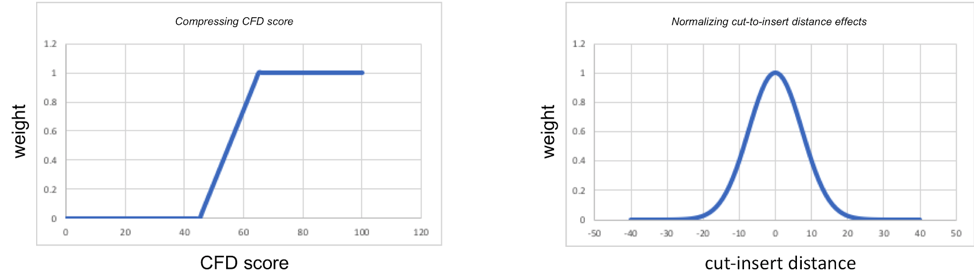
This post was contributed by Greg Dingle, a software engineer with the Chan Zuckerberg Initiative. We hereby announce the general availability of new a tool for CRISPR scientists––CrispyCrunch! CrispyCrunch is a web app that helps scientists design and analyze batches of CRISPR ...
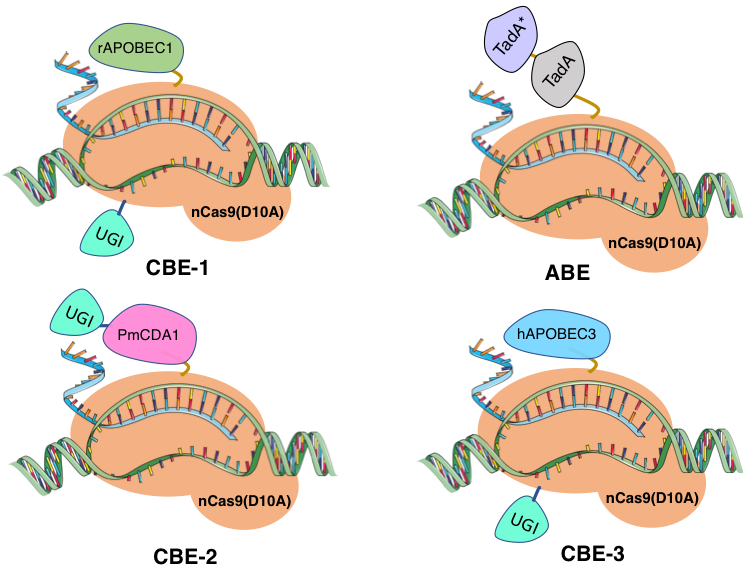
This post was contributed by Kutubuddin Molla, a Fulbright Visiting Scholar at the Pennsylvania State University. Imagine you are dealing with a defective gene, Xm, the sequence of which is identical to the correct gene, Xw, except for a single base. If you heard about CRISPR, ...
This post was contributed by Kelly Hills, founding bioethicist of Rogue Bioethics. On November 25, the MIT Technology Review dropped a bombshell report. A scientist working in China was using CRISPR/Cas9 in an attempt to create gene-edited babies. Several hours later, the ...
In this quarterly blog series, we’ll highlight a few of the new CRISPR plasmids available at Addgene. We will still periodically focus on specific CRISPR plasmid tools more in-depth, but we hope that this blog series will help you find new CRISPR tools for your research.
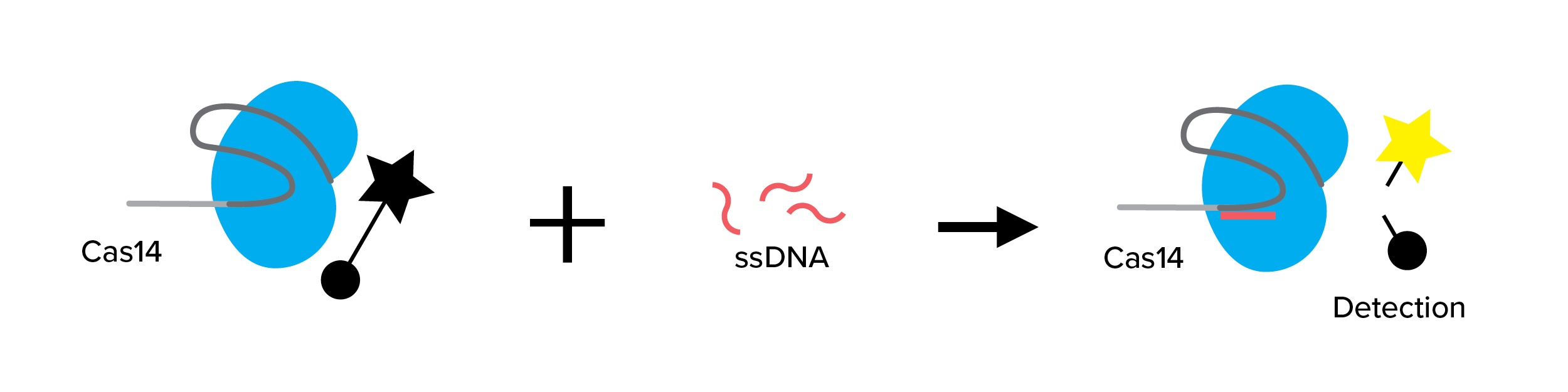
Last updated Apr 17, 2020. Before being adapted by scientists to edit the genome of virtually any organisms on this planet, CRISPR-Cas systems were merely adaptive immune systems that provide bacteria protection against infectious agents. Several enzymes behind this immunity ...
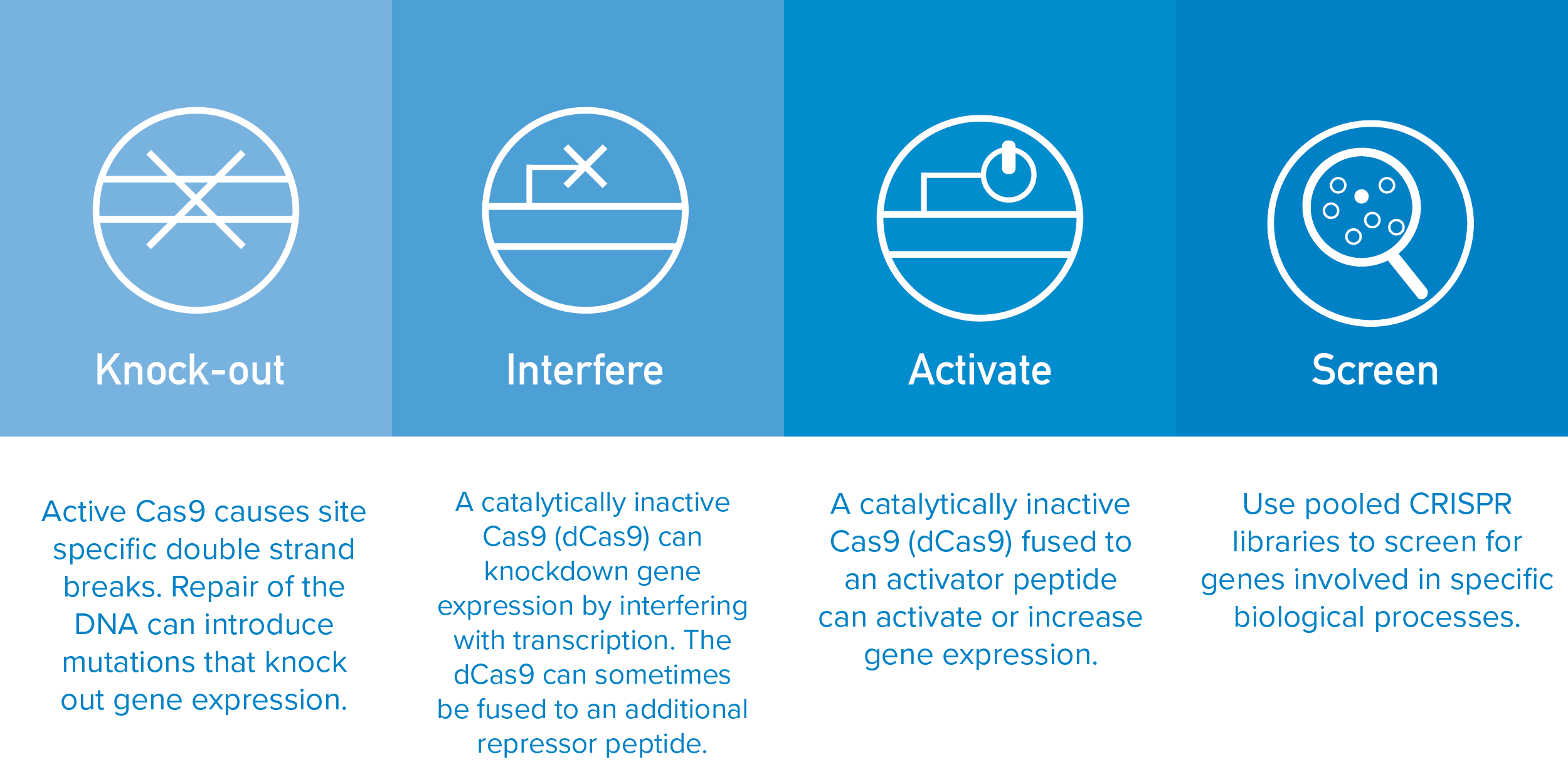
CRISPR pooled libraries have allowed scientists to easily perform genome-wide screens to effectively and efficiently investigate gene function. CRISPR libraries can be used to knock out, inhibit or activate target genes by combining specific sgRNAs with Cas9 or Cas9 derivatives.
Genome-wide CRISPR/Cas9 screens are a high-throughput systematic approach for identifying genes involved in a biological process. These screens provide an alternative to genome-wide RNAi screens, which although highly effective, are affected by low on-target efficacy, ...