Master plasmid fundamentals, CRISPR techniques, AAV serotype selection, and antibody applications. Written by scientists, for scientists.
Subscribe
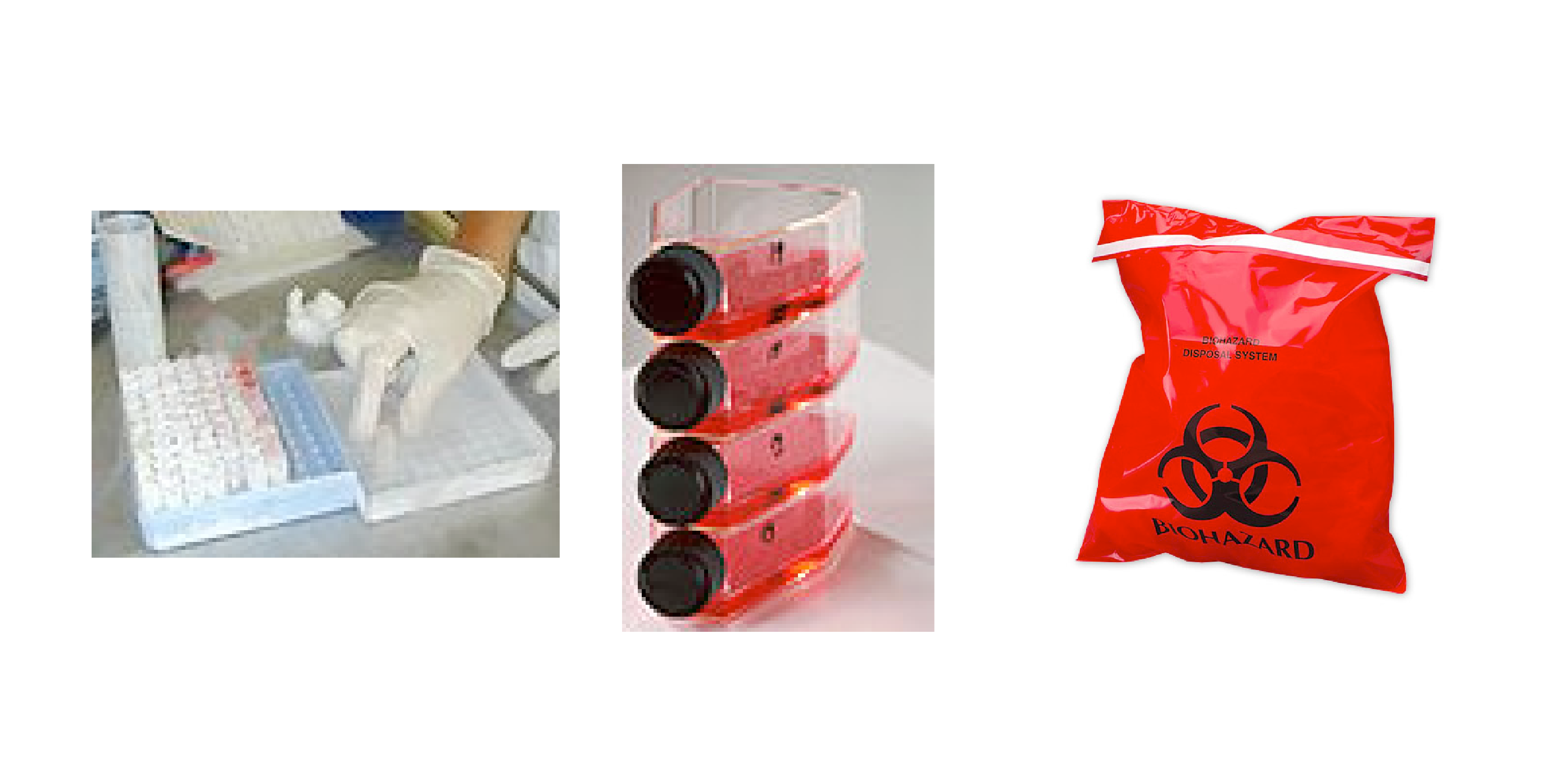
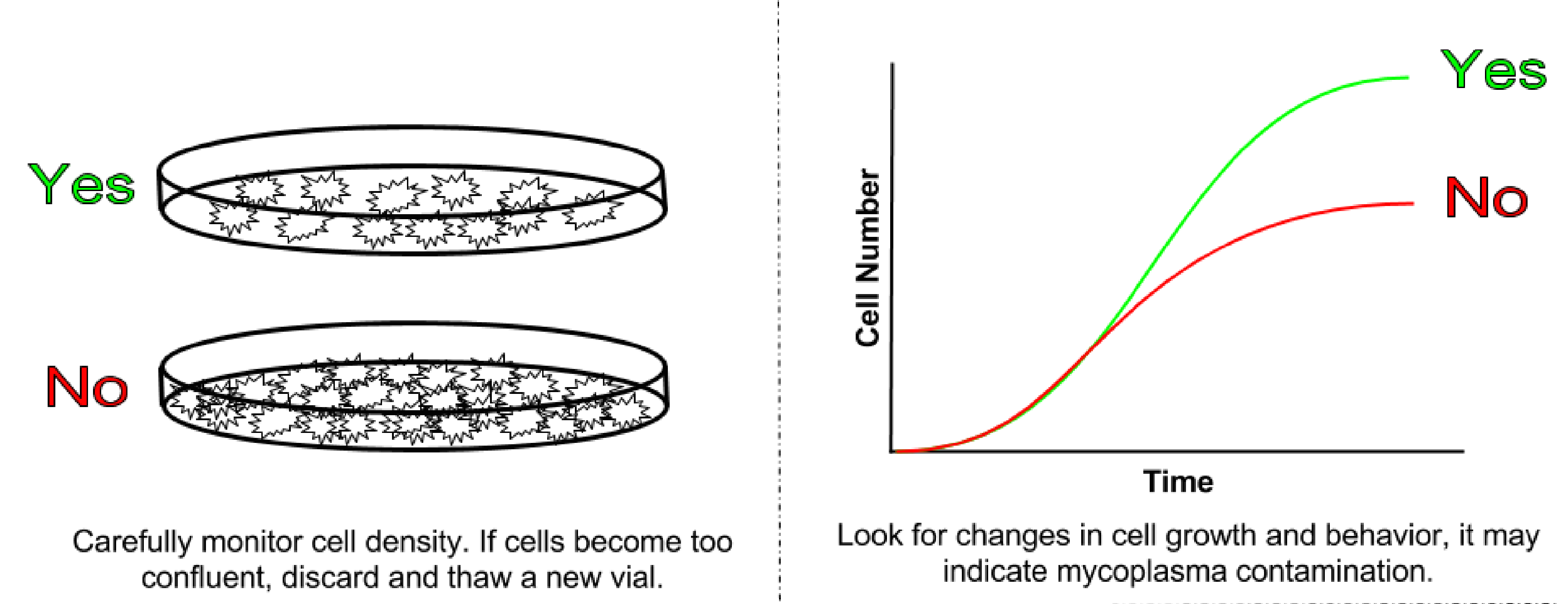
This post was contributed by ATCC Outreach Scientist Nick Amiss. Cell culture in the present day Cell culture is a widespread tool used in the fields of oncology, virology, immunology, microbiology, and pharmacology (many of which are represented in Addgene's Special ...
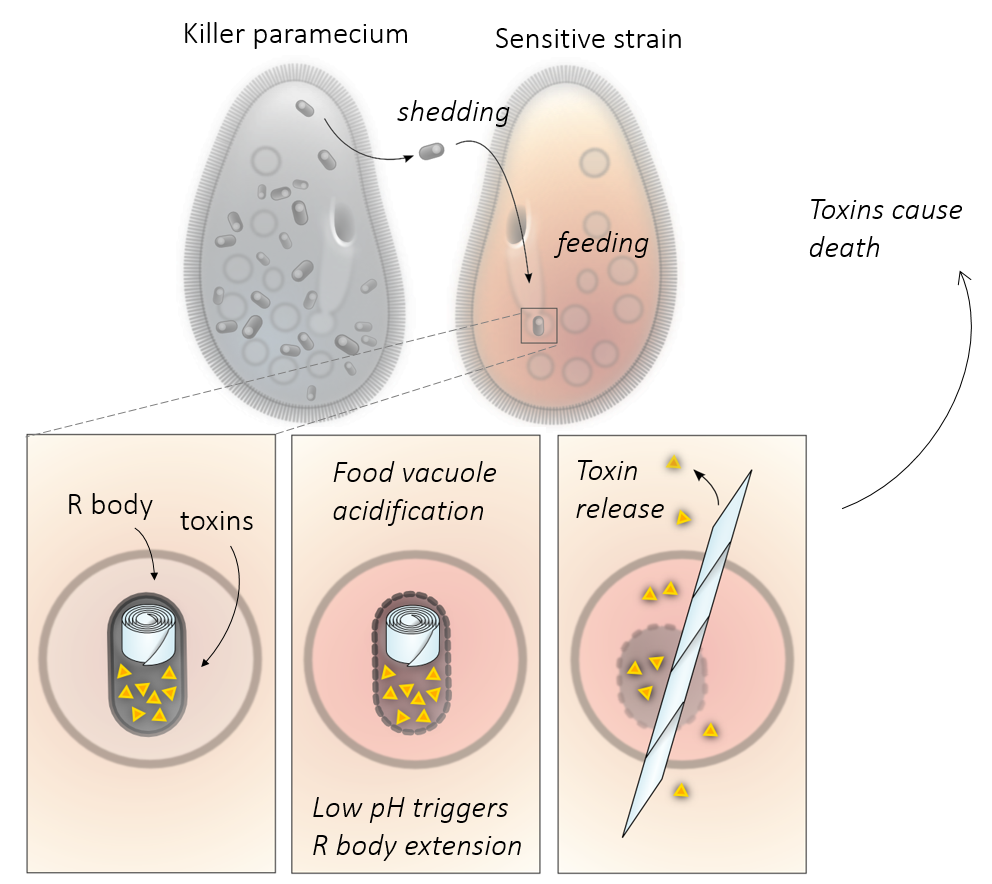
The crisis of antibiotic resistance is upon us, and the world is unprepared. Each year in the United States, two million people will be infected by antibiotic resistant bacteria. Even when researchers develop new antibiotics, the onset of resistance is swift, as few as five ...
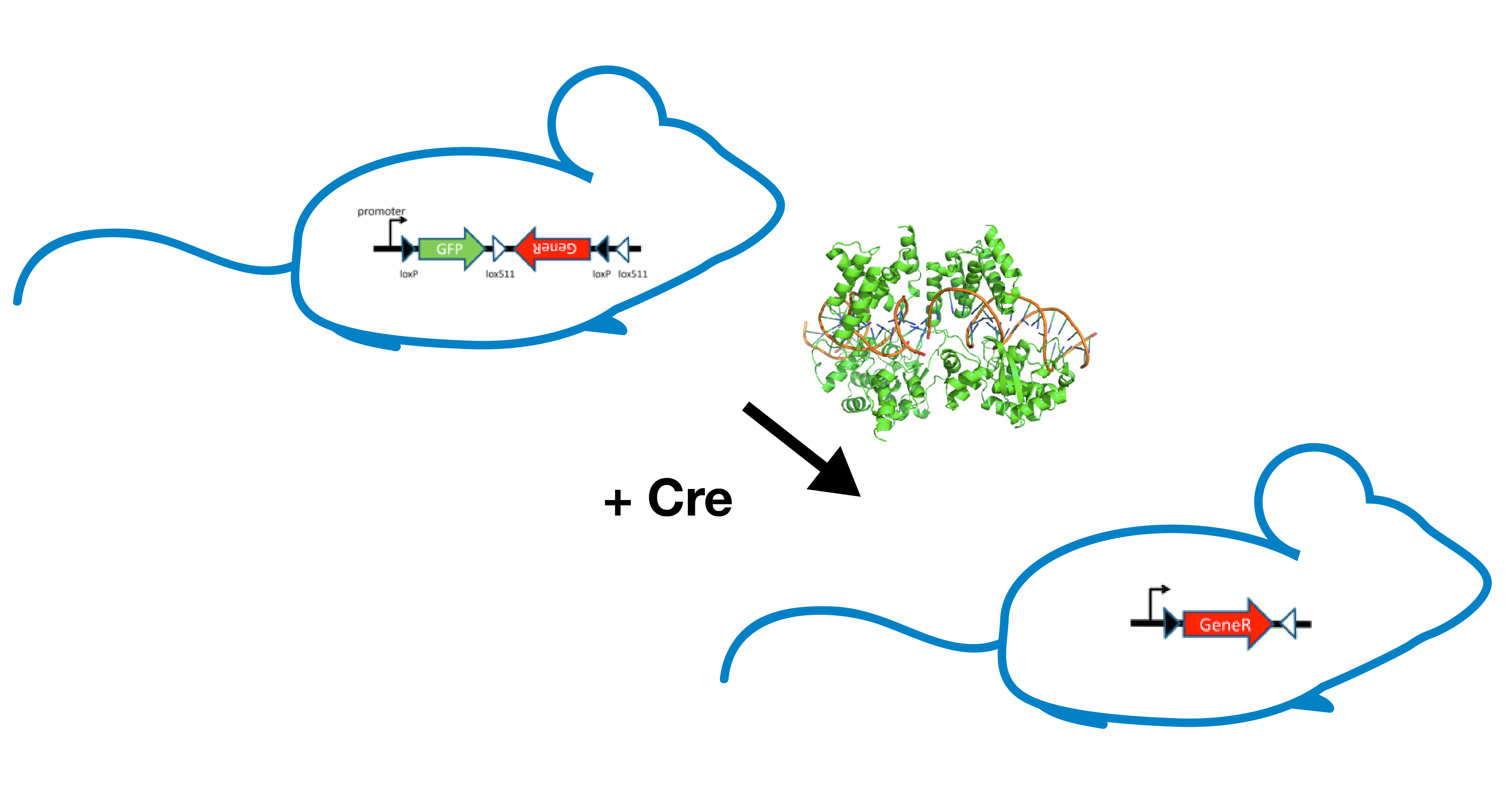
In a previous post from our Plasmids 101 series, we learned how the Cre-loxP recombination system can be used to induce site-specific recombination events, and that the orientation of the flanking loxP sites directs the Cre recombinase to invert, translocate, or excise a DNA ...
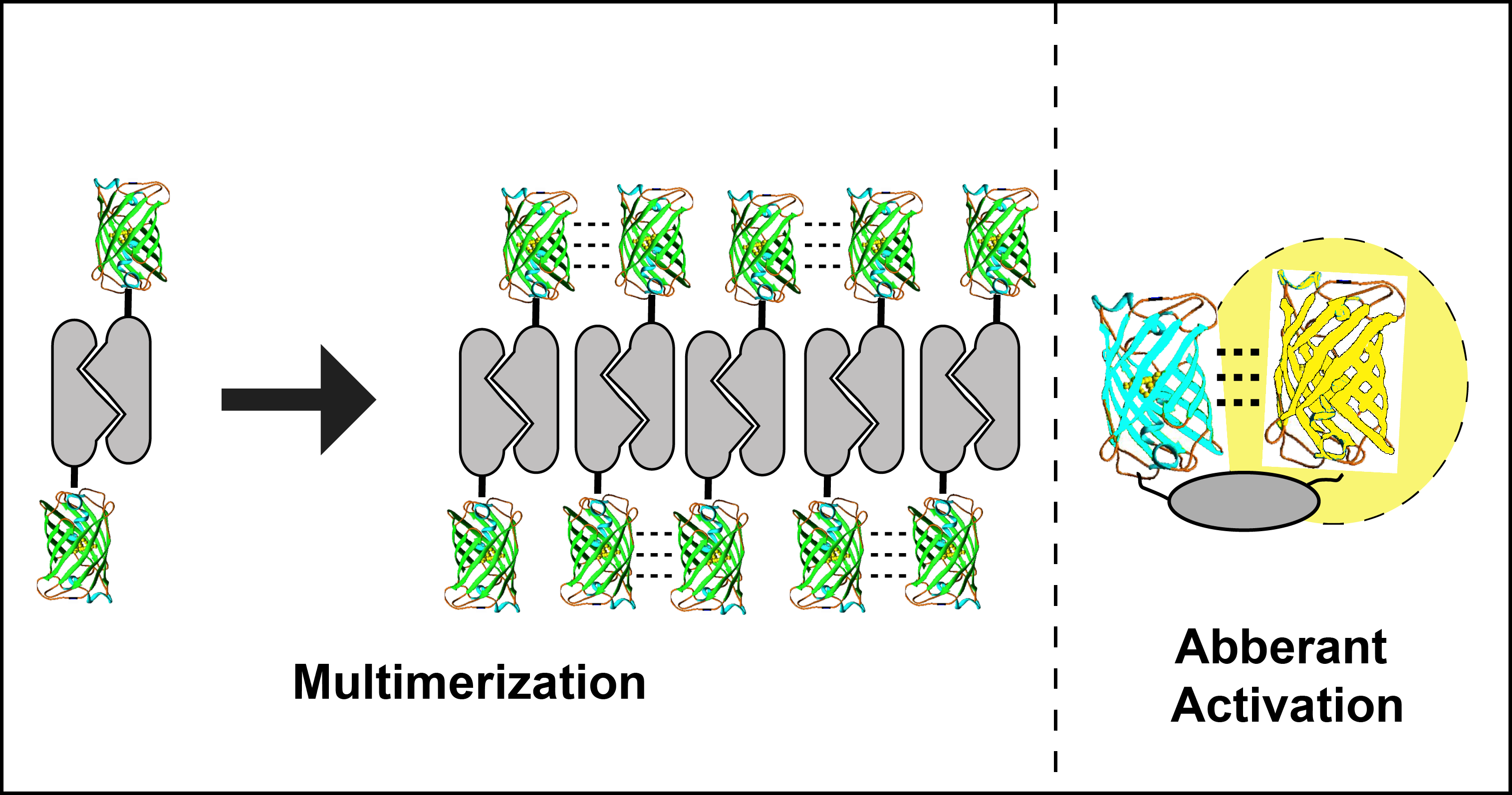
This post was contributed by guest blogger Erik L. Snapp. Stop using EGFP/GFP for fusion proteins! Despite multiple studies in high profile journal articles, many researchers remain unaware that EGFP/GFP is prone to forming noncovalent dimers. This property of EGFP can lead to ...
This post was contributed by guest blogger Jessica Polka, a Postdoctoral Research Fellow with Pamela Silver. Most types of biological motion (whether endocytosis, vesicle trafficking, or muscle contractions) are produced by orchestrated movements of networks of proteins ...
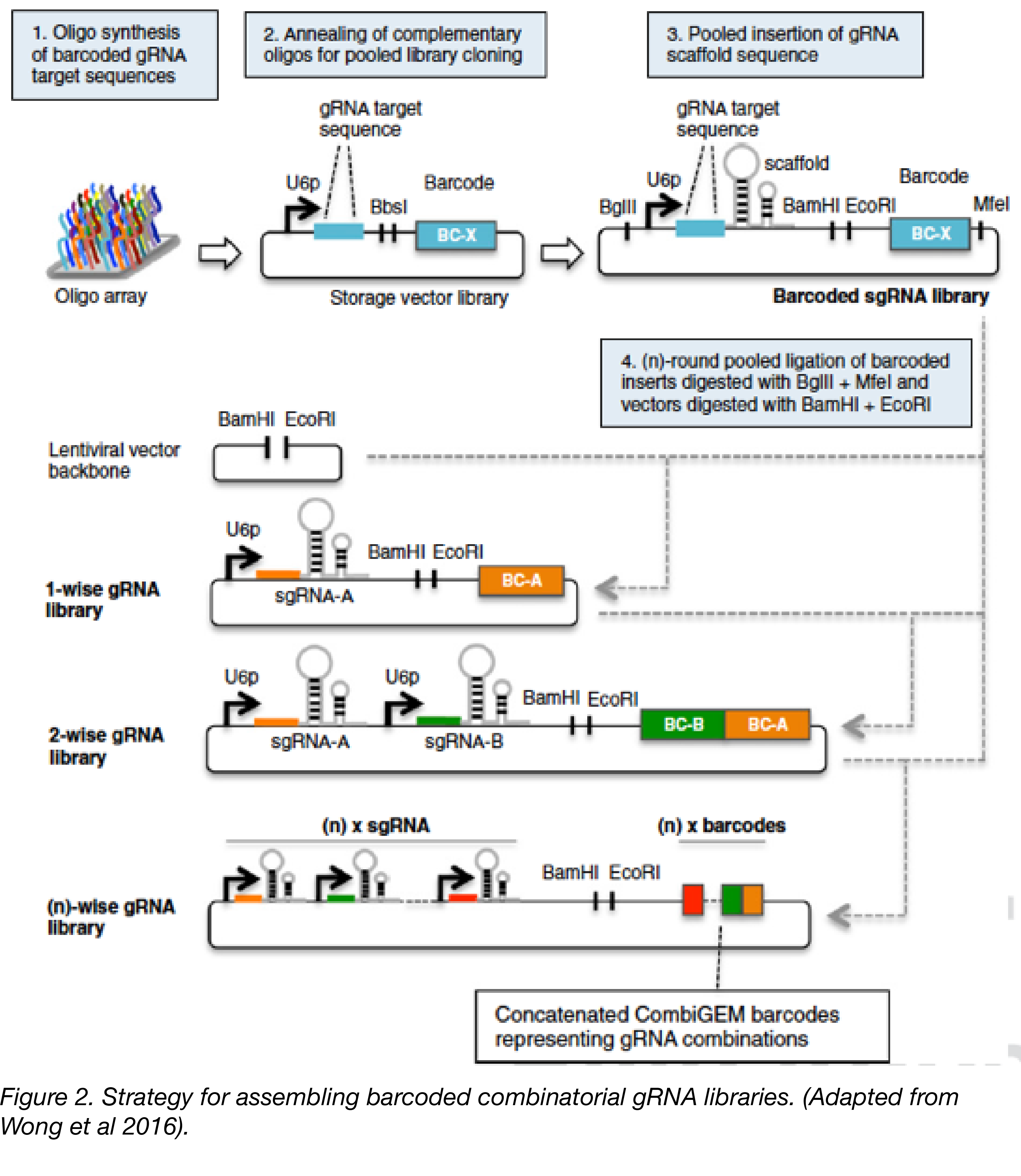
This post was contributed by guest blogger Alan Wong. The complexity of biological systems can hinder our attempts to study and engineer them, but what if we had a simple tool that allowed us to rapidly decode the complexity? The CombiGEM-CRISPR technology was developed with the ...
Lentiviruses are a powerful laboratory tool often employed to establish cell lines that stably express a gene of interest. While the general approach for using lentivirus, infect and select, seems simple, in actuality, many find using lentivirus to be time consuming, difficult, ...