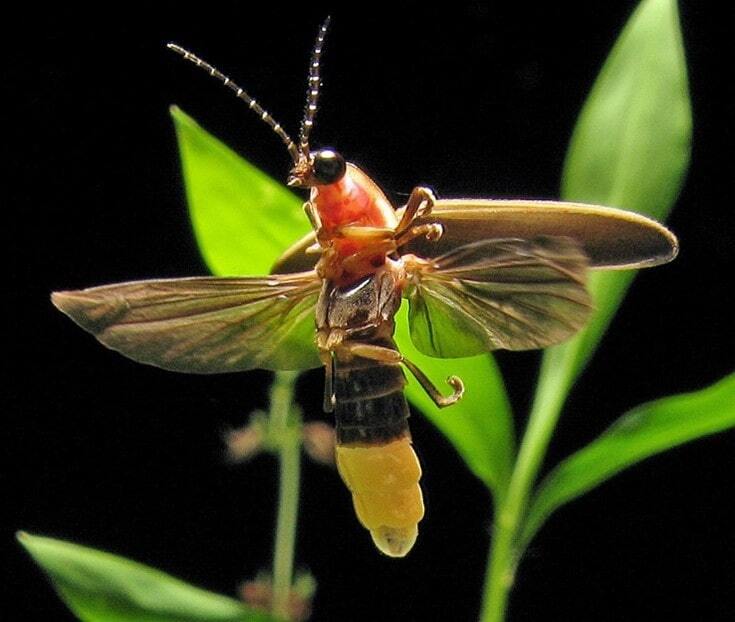
For most people, the most familiar source of bioluminescence is the firefly. Along with charming nighttime displays, these insects have contributed an important tool to the scientific community: luciferases, which have become common genetic reporters and alternatives to ...
If you take a look in a typical lab freezer, you'll probably find lots of different plasmids containing the same protein of interest tagged with different fusion proteins for different experiments over the years — a green fluorescent protein, a red fluorescent protein, a fancy ...
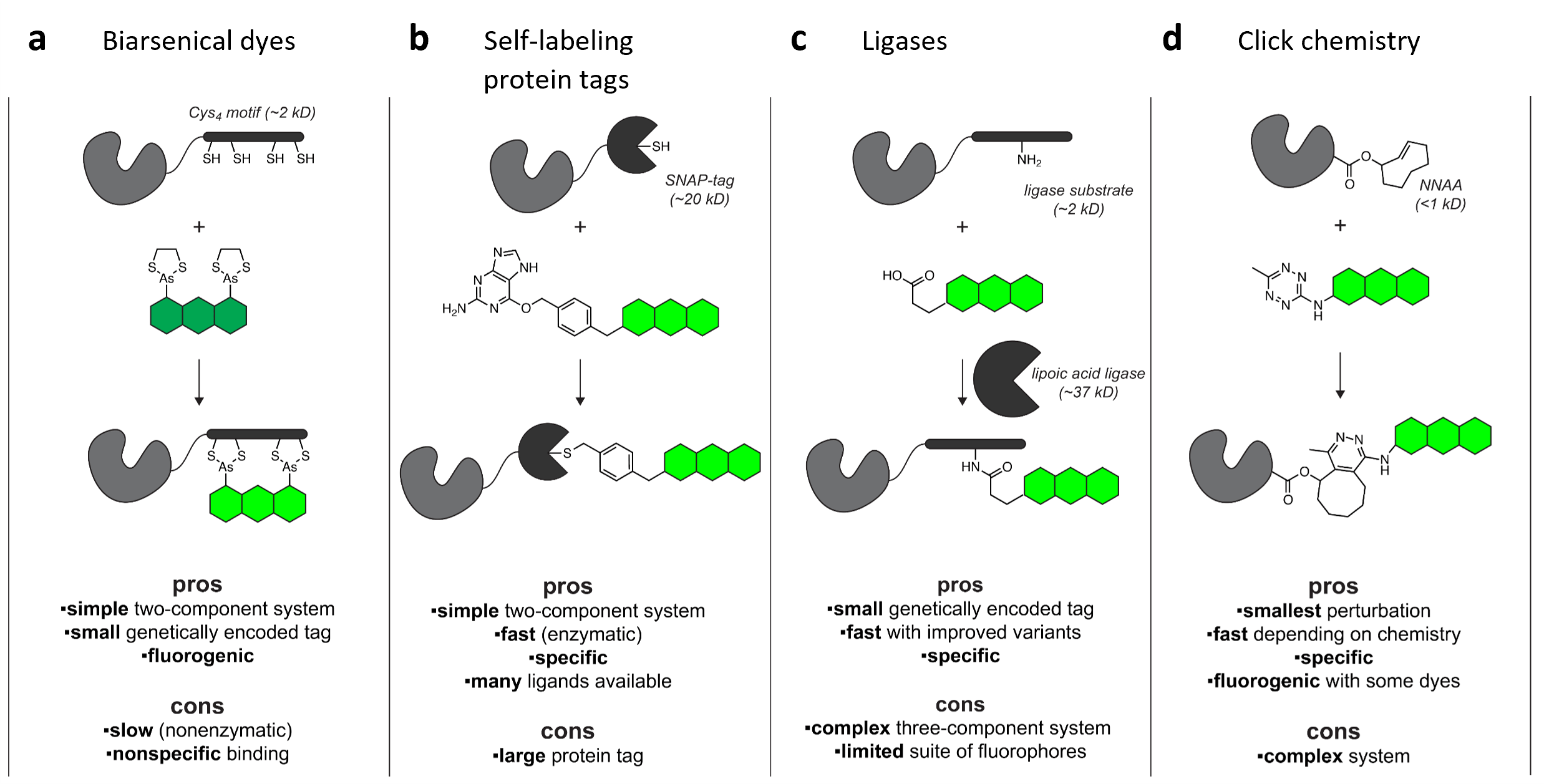
Throughout their history, fluorescent dyes have enabled the visualization of both organic tissues and cell cultures, opening biological interiors to many inquisitive scientists. Seeing inside these specimens has offered illumination on biochemical processes that are crucial in ...
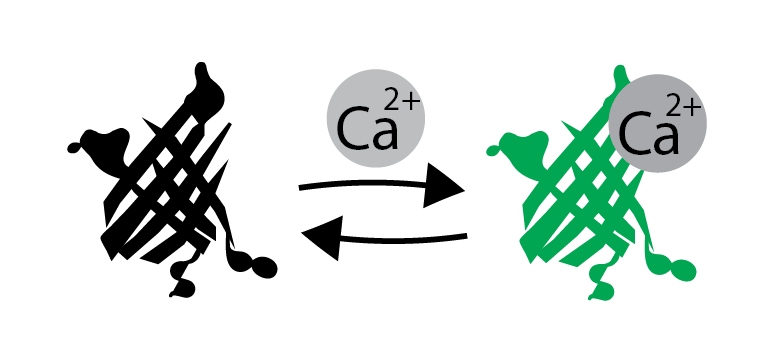
Calcium is arguably one of the most important metal ions in biology (sodium and potassium are up there too!). Calcium is fundamental to muscle and nerve function, hormone secretion, blood clotting, and as we all know, a structural component of bones and teeth. It is an enzyme ...
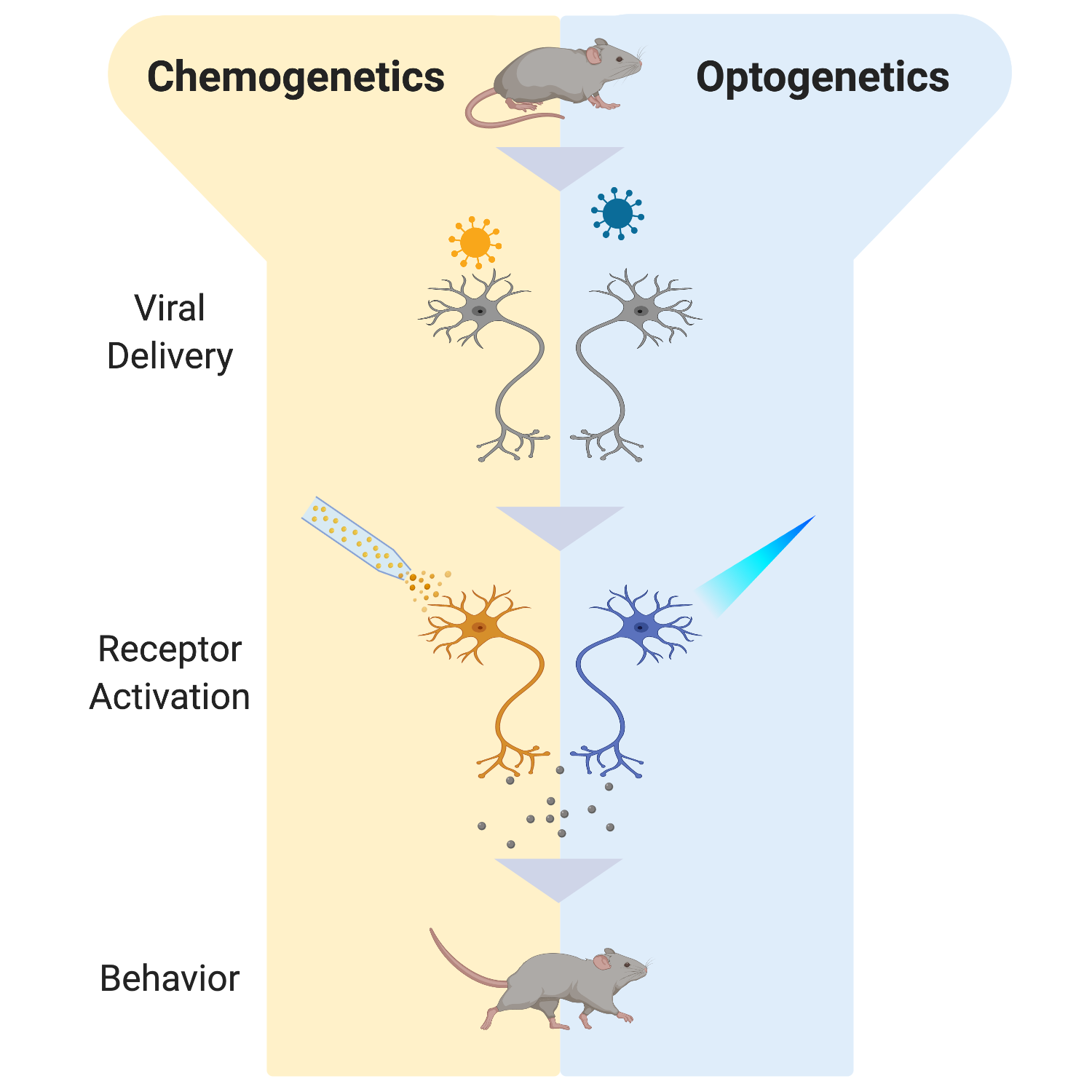
Chemogentic and optogenetic technologies have pushed the boundaries in neuroscience by granting targeted control over neuronal activity. While they serve similar purposes, both techniques offer researchers different advantages and limitations. The four main factors in which ...
This post was contributed by guest blogger Joachim Goedart, an assistant professor at the Section of Molecular Cytology and van Leeuwenhoek Centre for Advanced Microscopy (University of Amsterdam). Tagging a protein of interest with a fluorescent protein to study its function is ...
This post was contributed by guest blogger Joachim Goedart, an assistant professor at the Section of Molecular Cytology and van Leeuwenhoek Centre for Advanced Microscopy (University of Amsterdam). GFP is the most popular, most widely used genetically encoded fluorescent probe. ...
In complex metazoans, rapid cell division and large scale cell mobility are essential processes during embryonic development. These are required for a growing organism to make the complicated transition from a clump of cells to a fully differentiated body. In contrast, these ...