Master plasmid fundamentals, CRISPR techniques, AAV serotype selection, and antibody applications. Written by scientists, for scientists.
Subscribe
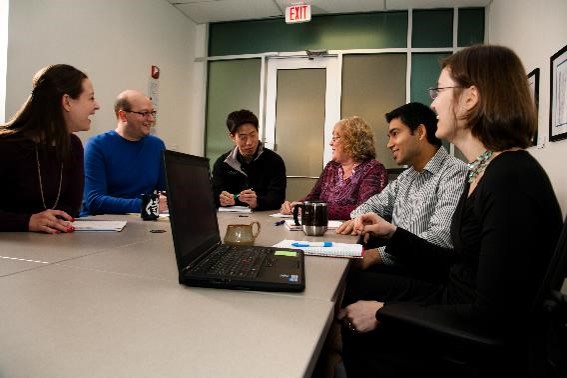
You are finishing your PhD or perhaps you have almost completed a postdoctoral position… or two. You have learned a lot. Whether you are pursuing an academic career path or moving in a nonacademic direction, there are many “transferable” skills you have developed in addition to ...
This post was updated on Dec 4, 2017. At Addgene, we continually use the Basic Local Alignment Search Tool (BLAST) provided by NCBI. BLAST helps us compare the sequencing results of the plasmids in our repository with known reference sequences, such as full plasmid sequences ...
This post was contributed by Maaike Pols, PhD, a Developmental Editor at F1000Research. With many changes taking place in the world of science publishing, and an ever increasing number of journals and publishers to choose from, it gets very confusing for scientists writing ...
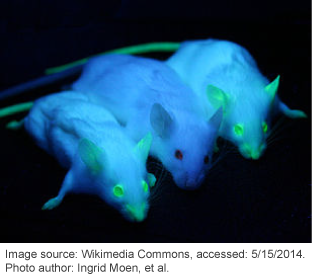
This post was contributed by Gal Haimovich of greenfluorescentblog. Be honest. Do you really know how fluorescent proteins glow? Fluorescent Proteins (FPs) were first discovered over 50 years ago, with the discovery of the Green Fluorescent Protein (GFP), a protein from the ...
Bioluminescence and fluorescence from proteins such as Green Fluorescent Protein (GFP) has likely existed in creatures such as jellyfish for millions of years; however, it took until the 1960s for scientists to begin to study GFP and deduce its biochemical properties. Now GFP ...
You've heard it before – it's important for scientists to get out there and talk about their work. To tell others why that work is cool and why it really matters! There are important societal reasons, self-interested reasons, and, given that science is largely funded by ...
The recent conversations with three lab heads have revealed that a combination of hard work, determination, passion, and patience are required to build and lead a productive and successful research lab. Once goals are reached, how do science labs celebrate accomplishments and ...