Master plasmid fundamentals, CRISPR techniques, AAV serotype selection, and antibody applications. Written by scientists, for scientists.
Subscribe
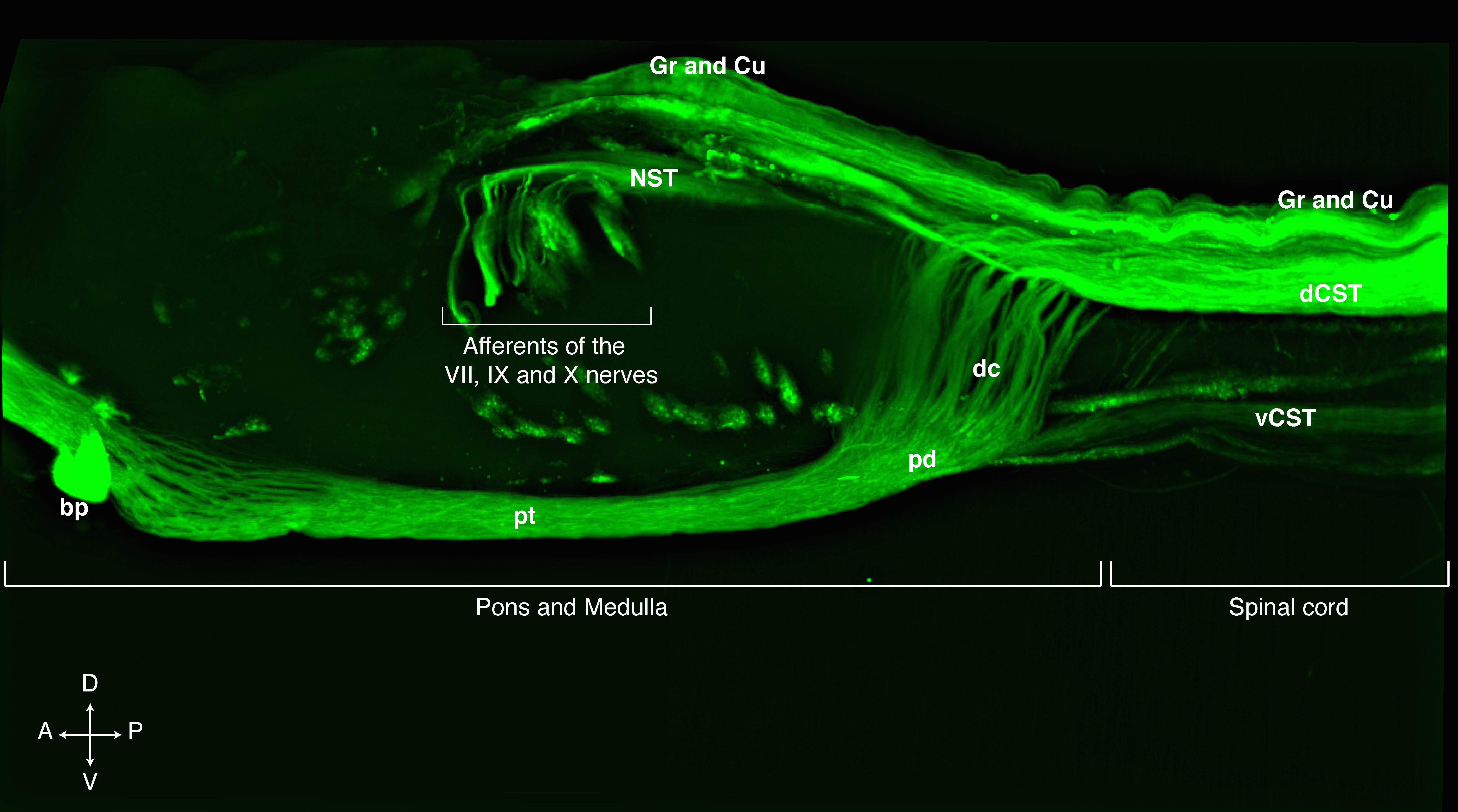
This post was contributed by Jae Lee and Pantelis Tsoulfas of the Department of Neurological Surgery at the University of Miami. The beginning of this century has seen some major advances in light microscopy, particularly related to the neurosciences. These developments in ...
Expanding your network of relationships early and often is the most effective tactic a scientist in training can adopt to ensure opportunities in the future. Studies show that the majority of job offers arise as a result of existing professional (and personal) relationships. ...
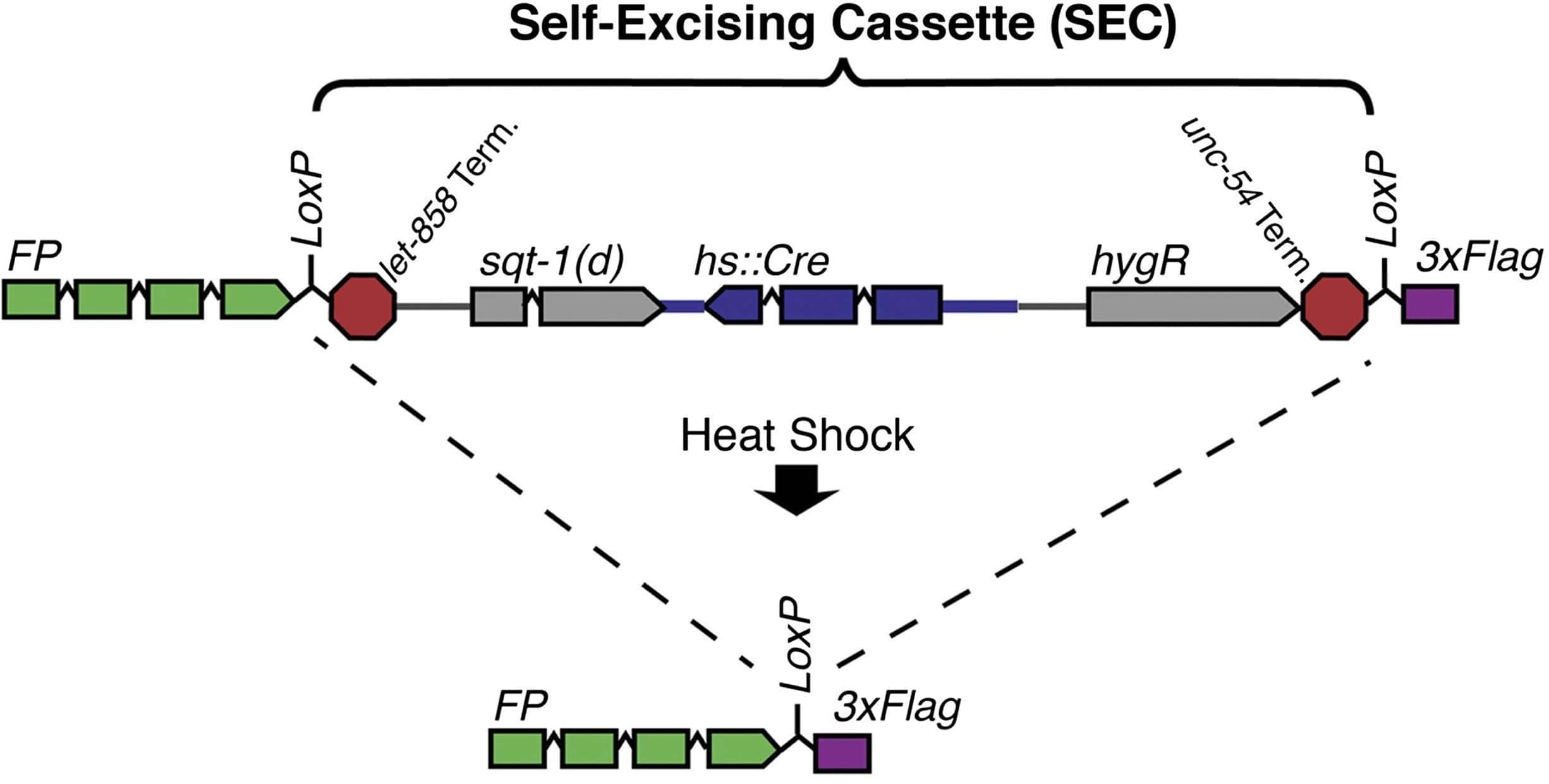
In the summer of 2013, a remarkable nine papers describing CRISPR/Cas9 genome engineering methods for C. elegans were released, signaling a new era in C. elegans research. Homology directed repair (HDR), which enables insertion of custom genomic modifications, is very robust in ...
Just over a month ago I finished up my PhD in Biological and Biomedical Sciences at Harvard University and entered a new role here at Addgene as an Outreach Scientist. I used to spend my days (and often my nights :D) engineering E. coli to produce biofuels in Pamela Silver’s Lab ...
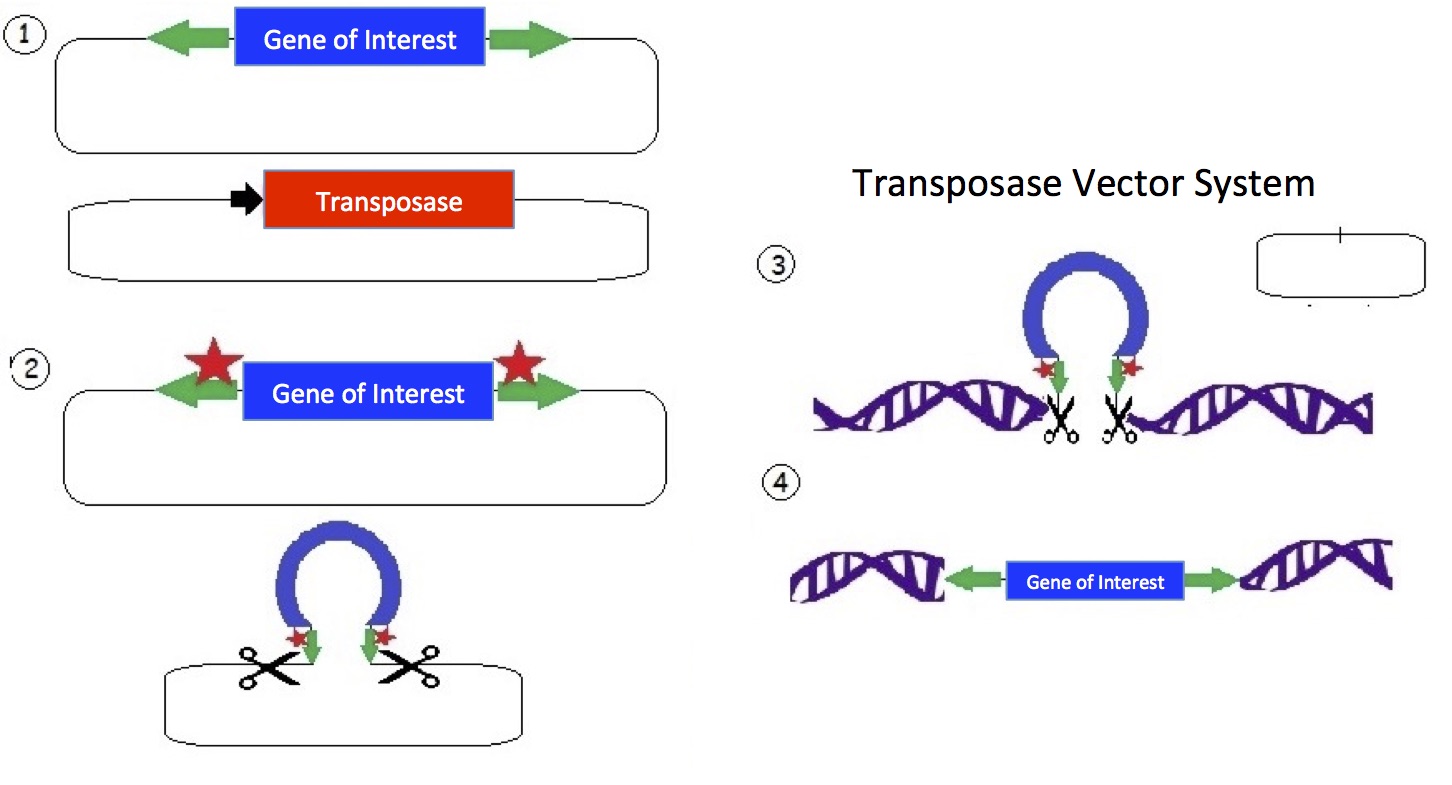
Transposons are sequences of DNA that can move around in a genome. In a laboratory setting, transposons can be used to both introduce genes into an organism’s genome (see figure) and to disrupt endogenous genes at the site of insertion. In both of these cases, transposons ...
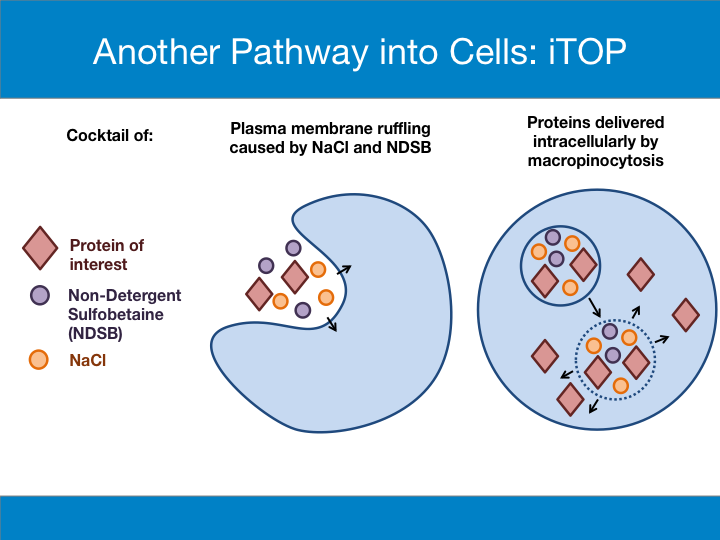
Primary cells recapitulate the natural biology of a cell type of interest better than immortalized lines derived from the same cell type; however, their usage has been limited by technical problems. For instance, it’s much more difficult to introduce a gene of interest into ...
Protein purification can be one of the most stressful lab activities. Working with proteins requires a substantial amount of properly folded, relatively pure protein, but getting to this stage is often much easier said than done. As reviewed in our Plasmids 101 series, proteins ...