Master plasmid fundamentals, CRISPR techniques, AAV serotype selection, and antibody applications. Written by scientists, for scientists.
Subscribe
Every year, the Rare Genomics Institute sponsors a global competition for researchers working on rare diseases, offering them the chance to win some of the latest tools and technologies in life sciences research. The rare disease research community has certainly noticed: This ...
This post was contributed by guest blogger Derek Simon. Optogenetics is spreading through the neuroscience community like wildfire and for good reason. For the first time in the history of neuroscience research we have a technology that allows us to show causality in neural ...
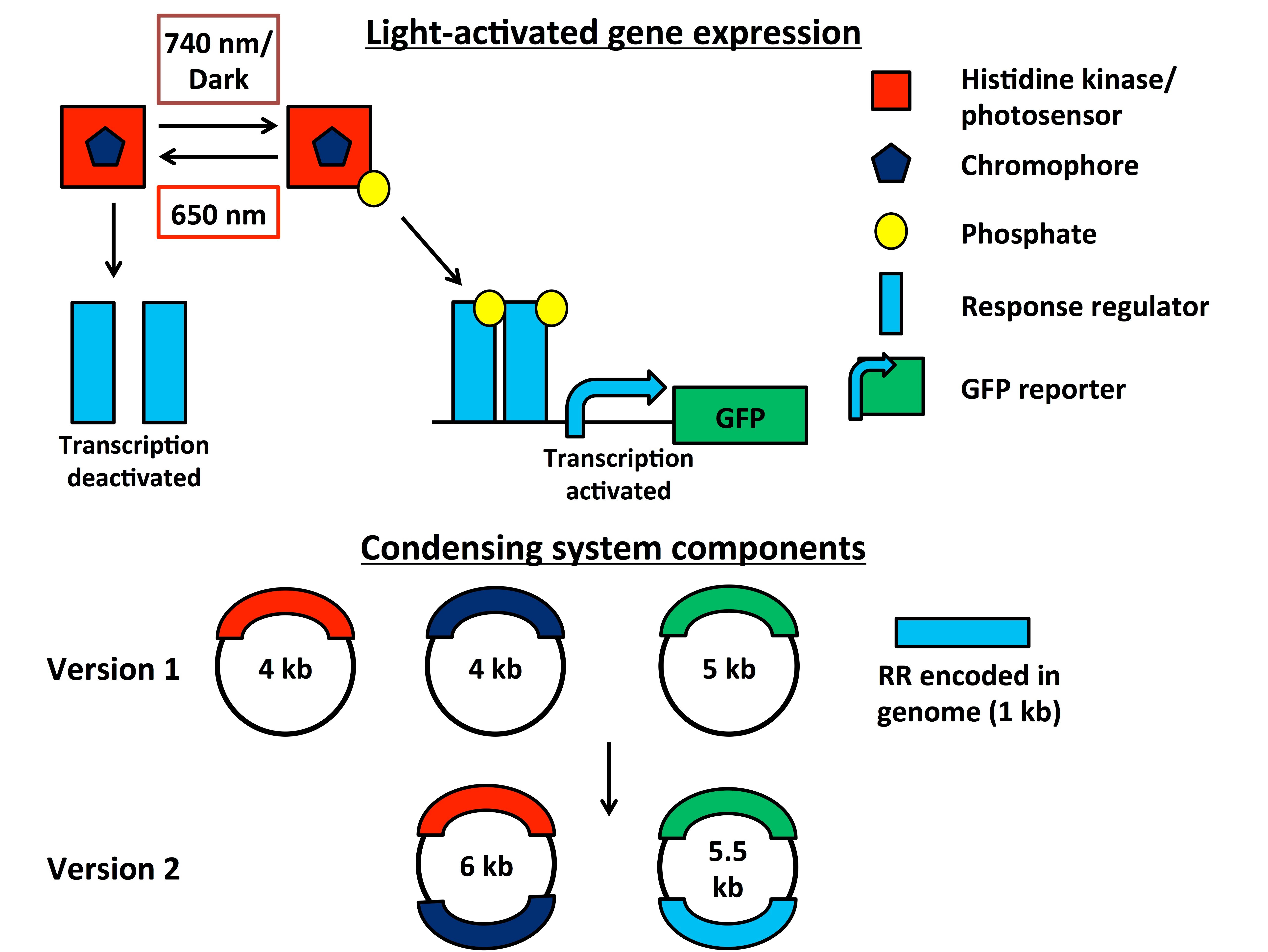
As optogenetics turns 10 years old, it’s easy to forget that this technique isn’t limited to neuroscience. In fact, precise light-based control of biological processes is highly useful in other fields, including synthetic biology. Addgene depositors Christopher Voigt and Jeffrey ...
Our story today starts with a bit of Addgene history... As you may be aware, Melina Fan, her brother Ken Fan, and her husband Benjie Chen co-founded Addgene in 2004. They worked tirelessly to get Addgene from a concept to an up and running repository. As they built the ...
This post was contributed by Damien Wilpitz founder and lead consutant at Experiment Designs Consulting, Inc. “How much do you need [for your lab start up]?” A hiring chair or dean will often ask a faculty candidate. Sweaty palms. Heart racing. Cotton mouth.The candidate may ...
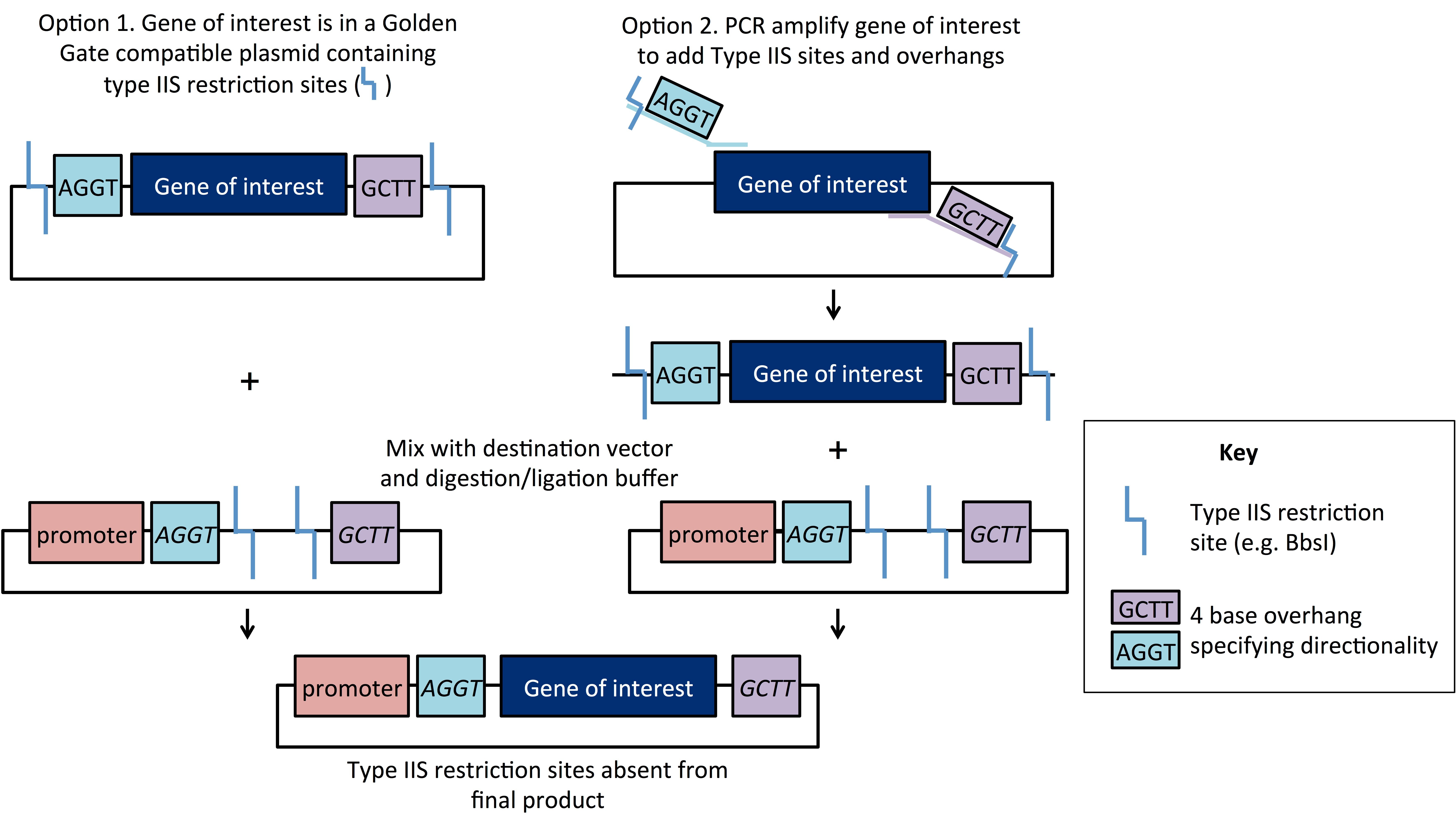
Addgene’s plasmids are used with a wide variety of restriction enzyme-based cloning methods. Each method has its own pluses and minuses, but Golden Gate cloning has been especially useful within both the synthetic biology and genome engineering fields. We’ll walk you through how ...
Being an entrepreneur is difficult; it requires an immense amount of self-knowledge and an unwavering devotion to seeing your ideas become something tangible. When you think of entrepreneurship in the 21st century, who do you think of? Your mind is likely drawn to the Mark ...