Master plasmid fundamentals, CRISPR techniques, AAV serotype selection, and antibody applications. Written by scientists, for scientists.
Subscribe
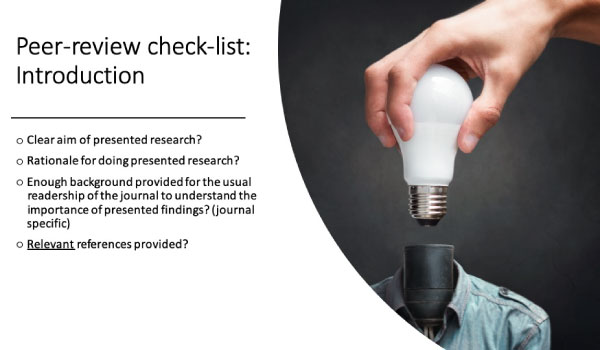
This post was contributed by Magdalena Julkowska, a postdoctoral researcher at KAUST, Saudi Arabia. From the perspective of an author submitting a paper, the peer-review seems like another dragon to slay on the way to publish your work in a scientific journal. The peer-review is ...
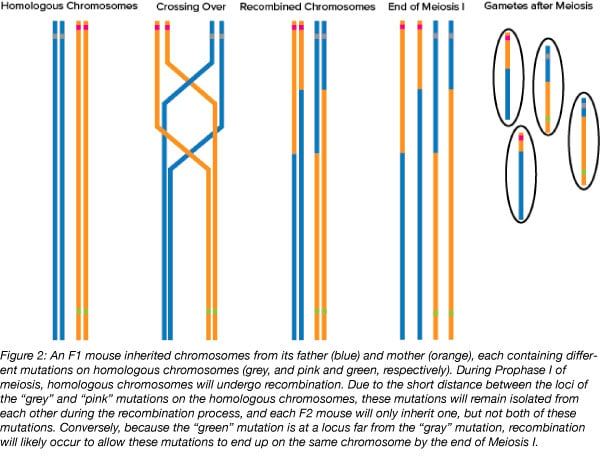
In Part 1 of our mouse modeling blog series, we covered techniques that can be used to introduce genetic modifications into mouse embryos. But once you generate a growing colony of genetically engineered mice, what can you do? In this post, we’ll cover why and how to cross mice ...
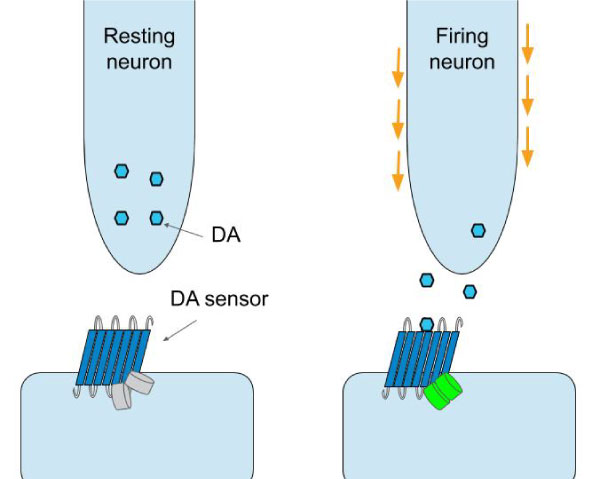
Feelings of delight associated with the brain’s reward circuits are generally linked to dopamine (DA), a well-known reward chemical and neurotransmitter. But aside from DA’s famous role as the “happy hormone,” it’s also involved in reinforcement learning, decision making, and ...
This post was contributed by Samuel Mortensen, a PhD candidate at Northeastern University. Working with plants doesn’t always have to be a time-consuming process. While developing transgenic hairy root lines in tissue cultures takes half a year, and generating a transgenic plant ...
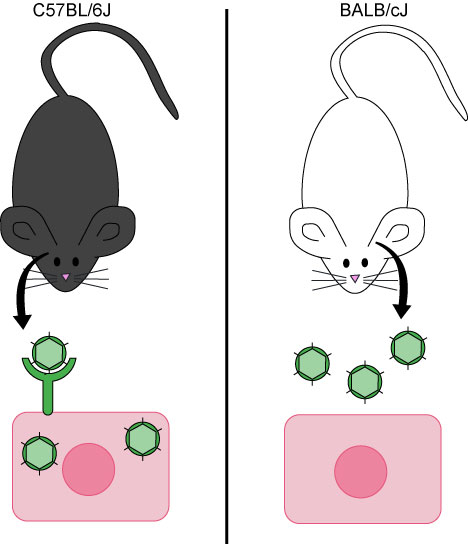
One of the biggest barriers to gene therapy treatment of central nervous system (CNS) diseases is the blood brain barrier (BBB). It’s the BBB’s job to block the entry of pathogens to the CNS, but this also stops viral vectors, such as adeno-associated virus (AAV), from reaching ...
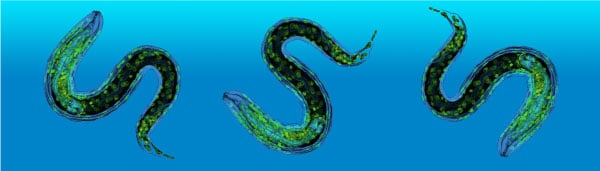
The C. elegans community has always emphasized the need for open science and collaboration. The field already has comprehensive reference pages and curated databases for scientists including Wormbook, Wormatlas and Wormbase. And scientists have been continuously sharing their ...
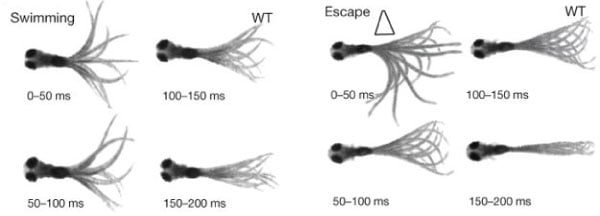
Optogenetics, the use of light sensitive proteins (opsins) to manipulate cell activity, enables researchers to silence or incite neuronal firing and study subsequent effects on behavior. The system is an especially powerful tool for in vivo behavioral studies because it is ...