Update (November 18, 2016): Researchers from a variety of institutions recently reported their inability to recapitulate the results of Gao et al 2016 in a letter to Protein & Cell. Update (August 3rd, 2017) THE ORIGINAL NgAgo ARTICLE DISCUSSED IN THIS POST HAS BEEN ...
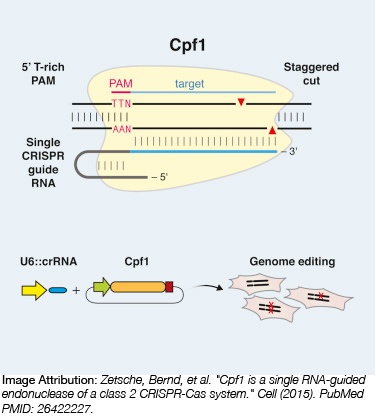
Note: Cpf1 is also called Cas12a. In 2015, Feng Zhang’s lab characterized two Cpf1 nucleases, distant cousins of well-known Cas9. Cpf1 cleaves DNA in a staggered pattern and requires only one RNA rather than the two (tracrRNA and crRNA) needed by Cas9 for cleavage. Now, two new ...
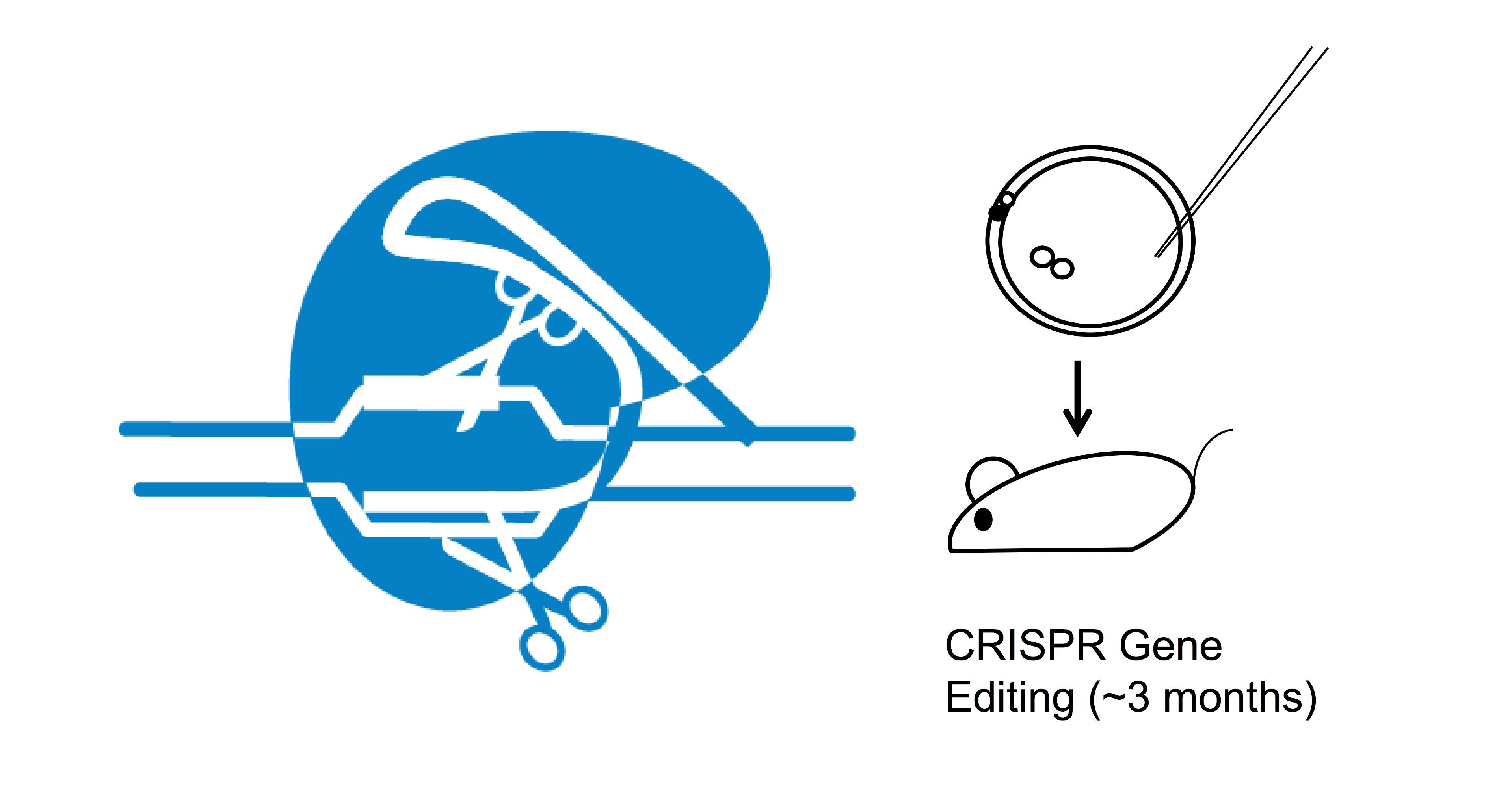
Last updated on Oct 1, 2020 by Aliyah Weinstein. This post was contributed by guest bloggers, Wenning Qin and Haoyi Wang. CRISPR/Cas9 is revolutionizing the mouse gene-targeting field. Mice have long been extremely useful in the lab – they are relatively small and easy to work ...
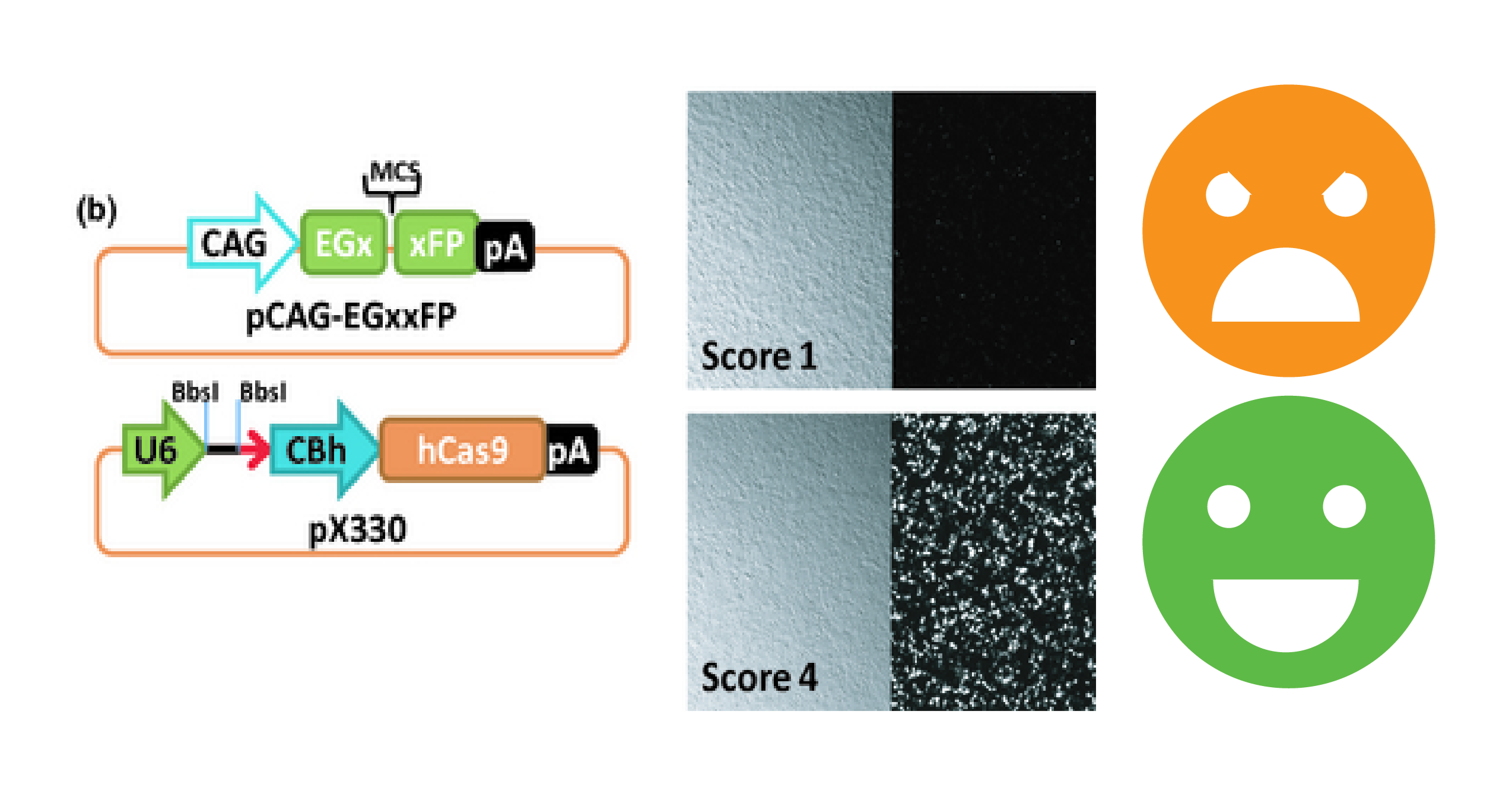
This post was contributed by guest blogger Samantha Young. The use of CRISPR/Cas9 for gene editing has expanded since its adaptation for use in mammalian cells in 2012-2013. Researchers are now using this system in ever more creative ways, (Wang et al., 2013, Cho et al., 2014). ...
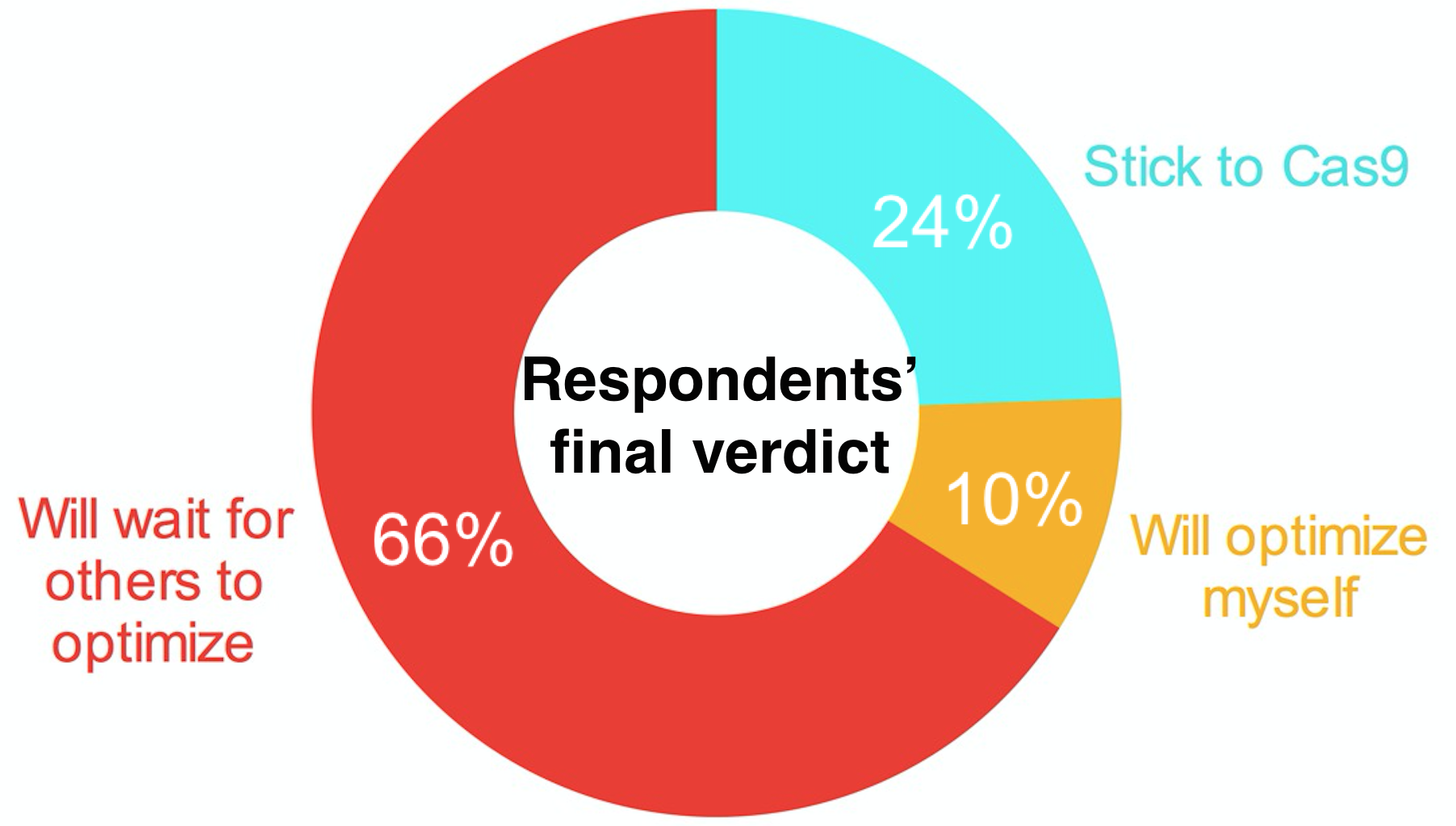
THE ORIGINAL NgAgo ARTICLE DISCUSSED IN THIS POST HAS BEEN RETRACTED AND FOLLOW UP STUDIES HAVE FAILED TO REPEAT THE RESULTS DISCUSSED BELOW Biologists are going gaga over the newest gene-editing protein - a DNA-cleaving Argonaute from Natronobacterium gregoryi, or NgAgo for ...
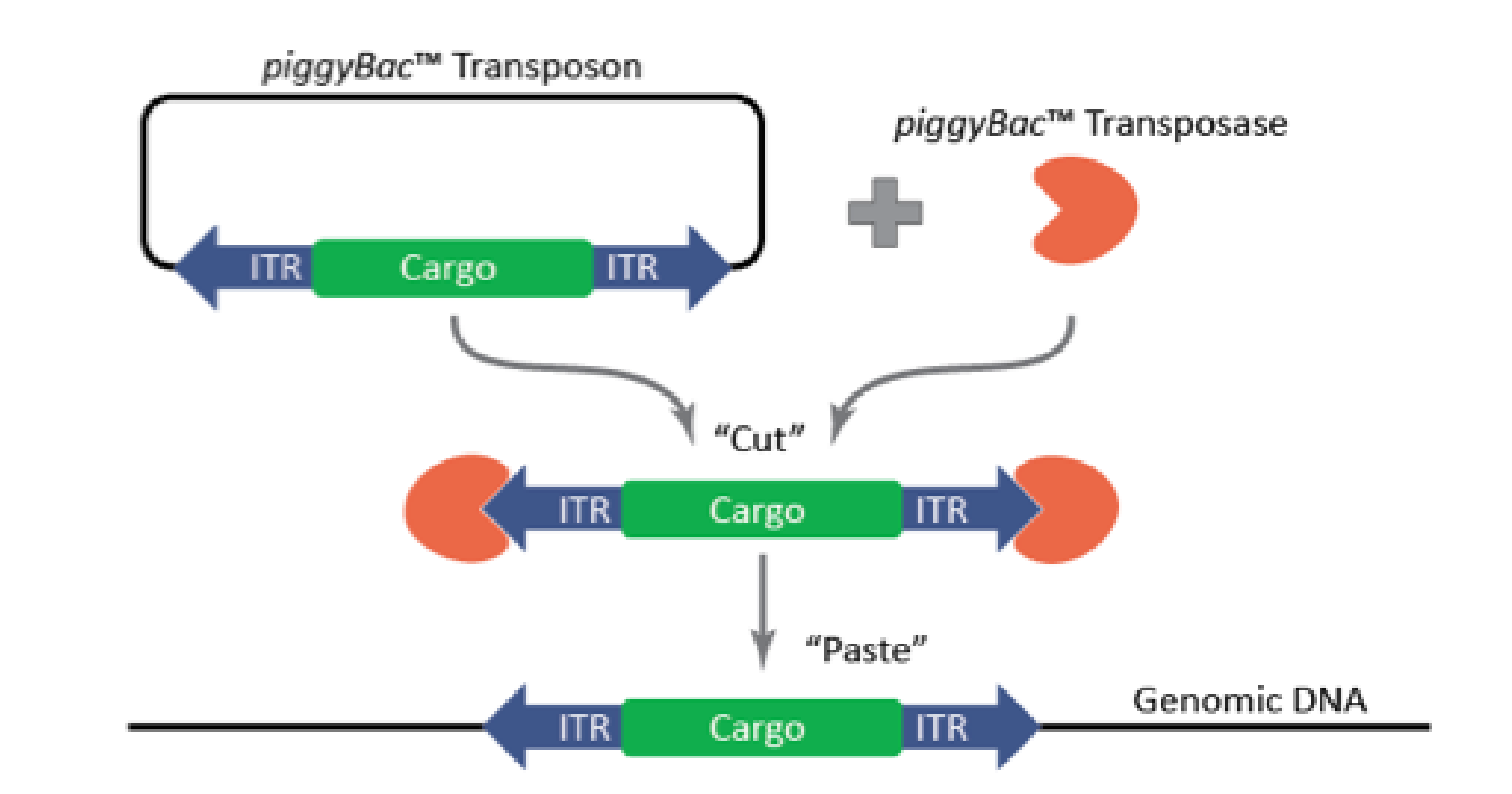
Addgene is proud to announce that we recently acquired the ability to distribute plasmids with the piggyBac™ transposon. These plasmids, when combined with a source of piggyBac™ transposase (available from a licensed distributor) allow you to quickly transfer a DNA sequence from ...
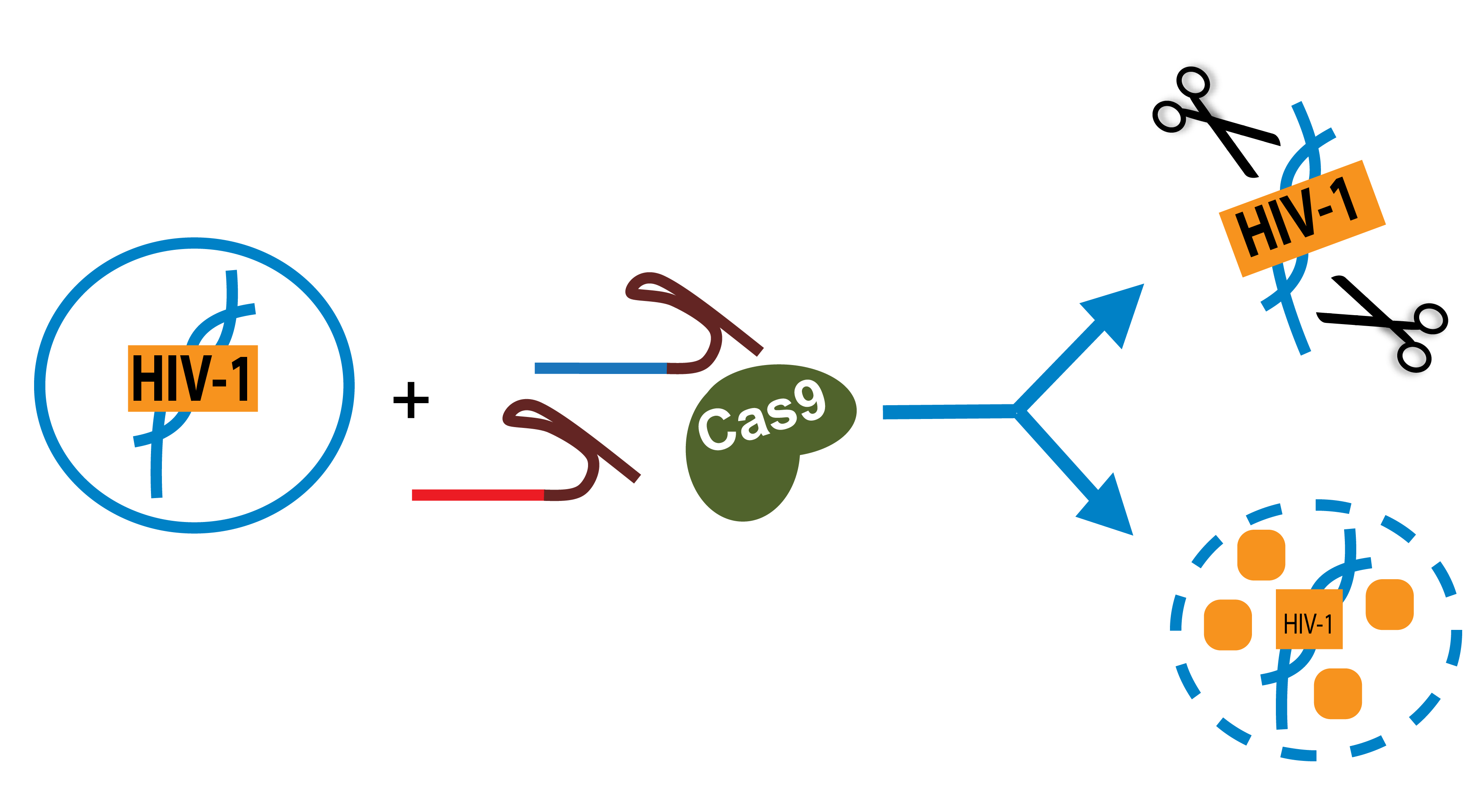
Over 25 million people worldwide are currently infected with the lentivirus HIV-1. Today, HIV-1 can be controlled with antiviral therapies such that the virus is undetectable in the blood. But the virus doesn’t completely disappear; it just hides in latently infected cells. To ...
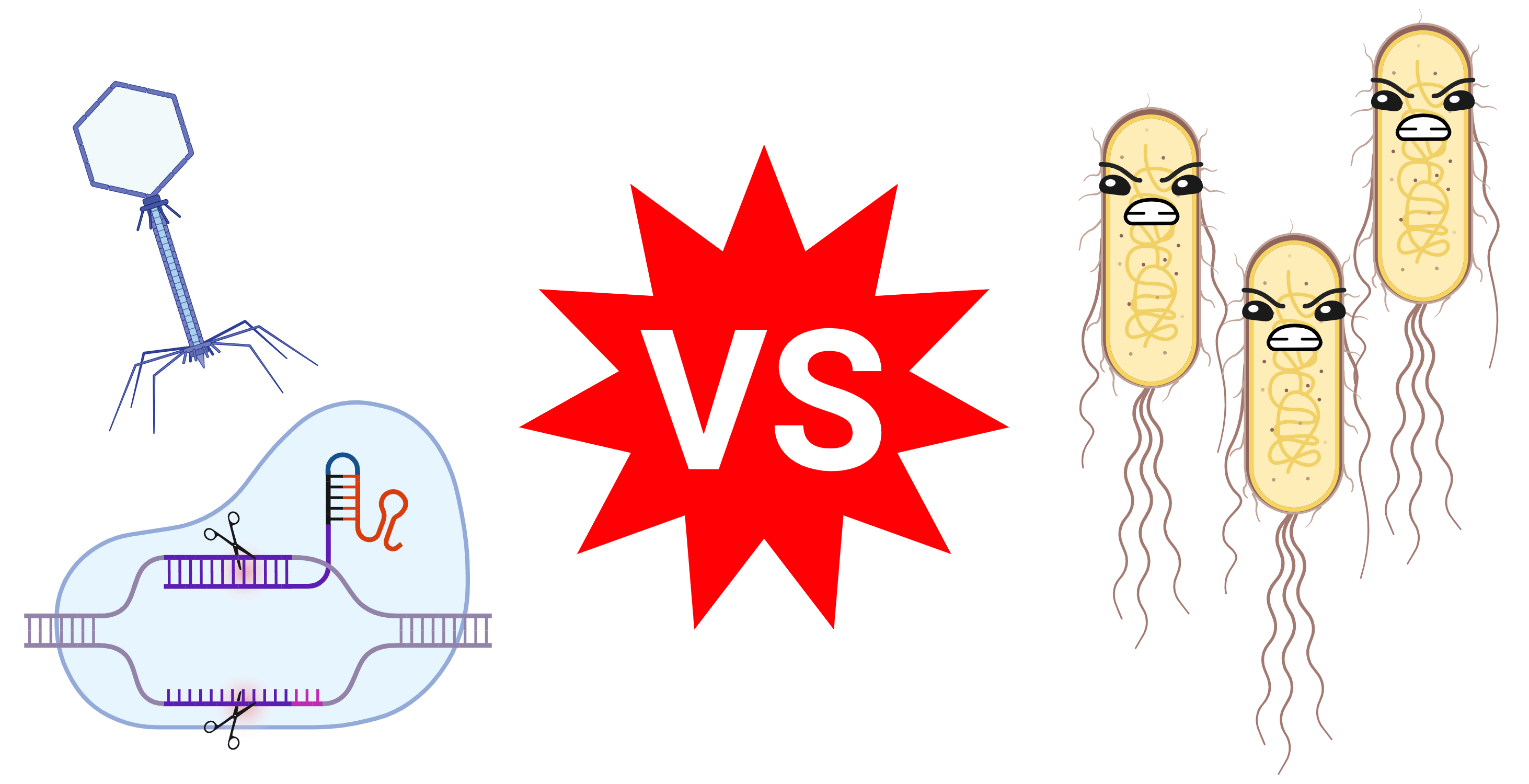
The crisis of antibiotic resistance is upon us, and the world is unprepared. Each year in the United States, two million people will be infected by antibiotic resistant bacteria. Even when researchers develop new antibiotics, the onset of resistance is swift, as few as five ...