Master plasmid fundamentals, CRISPR techniques, AAV serotype selection, and antibody applications. Written by scientists, for scientists.
Subscribe
A recent survey of PhDs found that many researchers feel that they lack formal training in a variety of transferable skills. At Addgene we've set out to fill this gap by both highlighting that researchers do learn MANY transferable skills while working in the lab and by offering ...
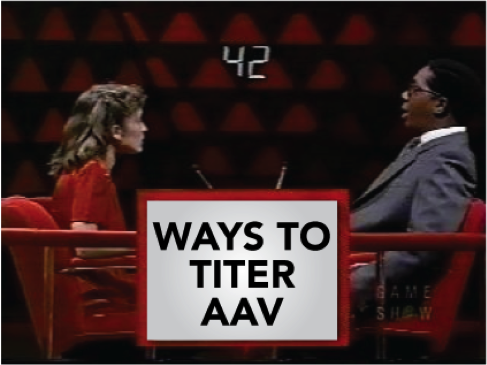
Remember the game show “The $25,000 Pyramid” where one player tries to get the other to guess a category by listing off things that fall into that category? Okay, let’s play. I’ll list the examples and you try to guess the category: ELISA... qPCR... Digital droplet PCR... DNA ...
A degree in the life sciences prepares one for numerous non-academic careers. Still, many start their scientific careers hoping to follow the traditional academic route (find tips for getting a faculty position here). Possible roadblocks only become obvious at rather late stages ...
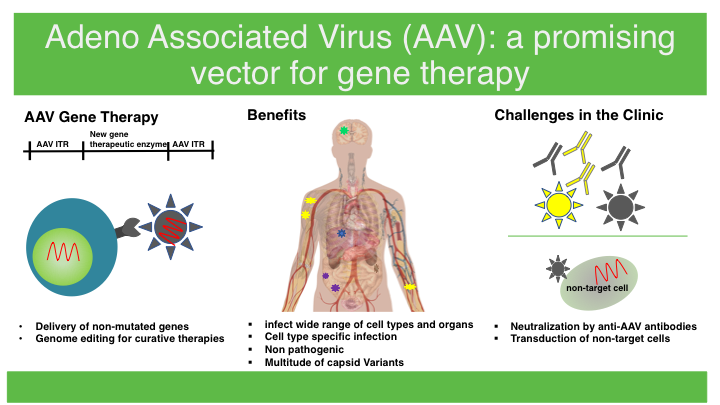
This post was contributed by guest blogger Harshana S De Silva Feelixge. Gene therapy technologies hold great promise for improving or potentially curing human diseases that were previously thought to be incurable. Rapid advances in next generation sequencing technologies have ...
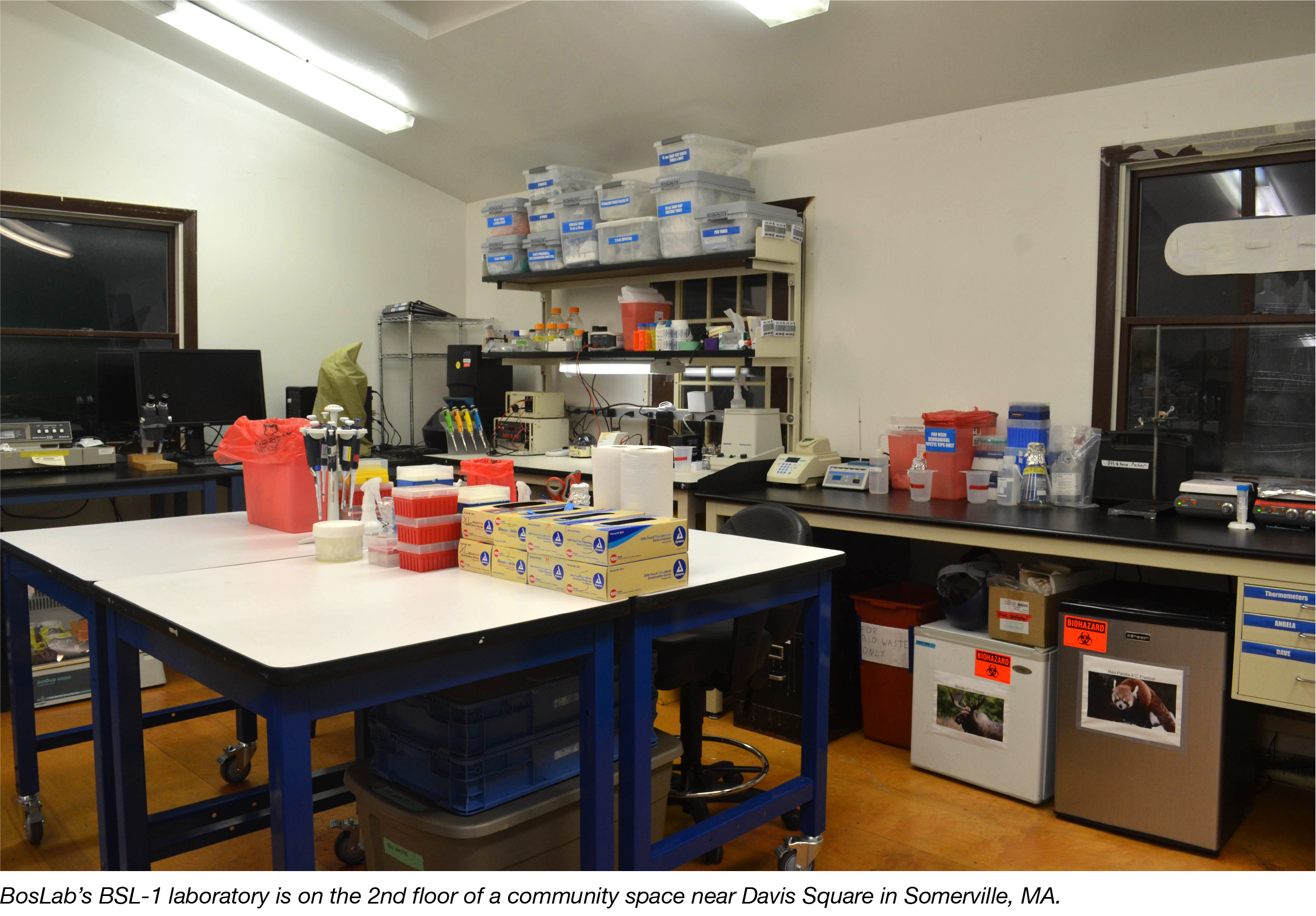
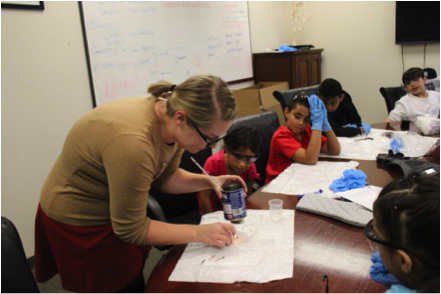
Biotechnology is no longer just for those working in academia or industry. At BosLab, we identify ourselves as part of a network of independent Do-it-Yourself (DIY) biology laboratories working towards enabling everyone to participate in the biotech revolution. Our lab exists in ...
In this post of the Careers in Science Communication blog series, you’ll hear more about Caitlin Runne-Janczy and her job as a Subject Matter Expert/ Product Development Manager at eScience Labs. To learn how Caitlin got into scicomm and landed her first post-grad school job, ...