Master plasmid fundamentals, CRISPR techniques, AAV serotype selection, and antibody applications. Written by scientists, for scientists.
Subscribe
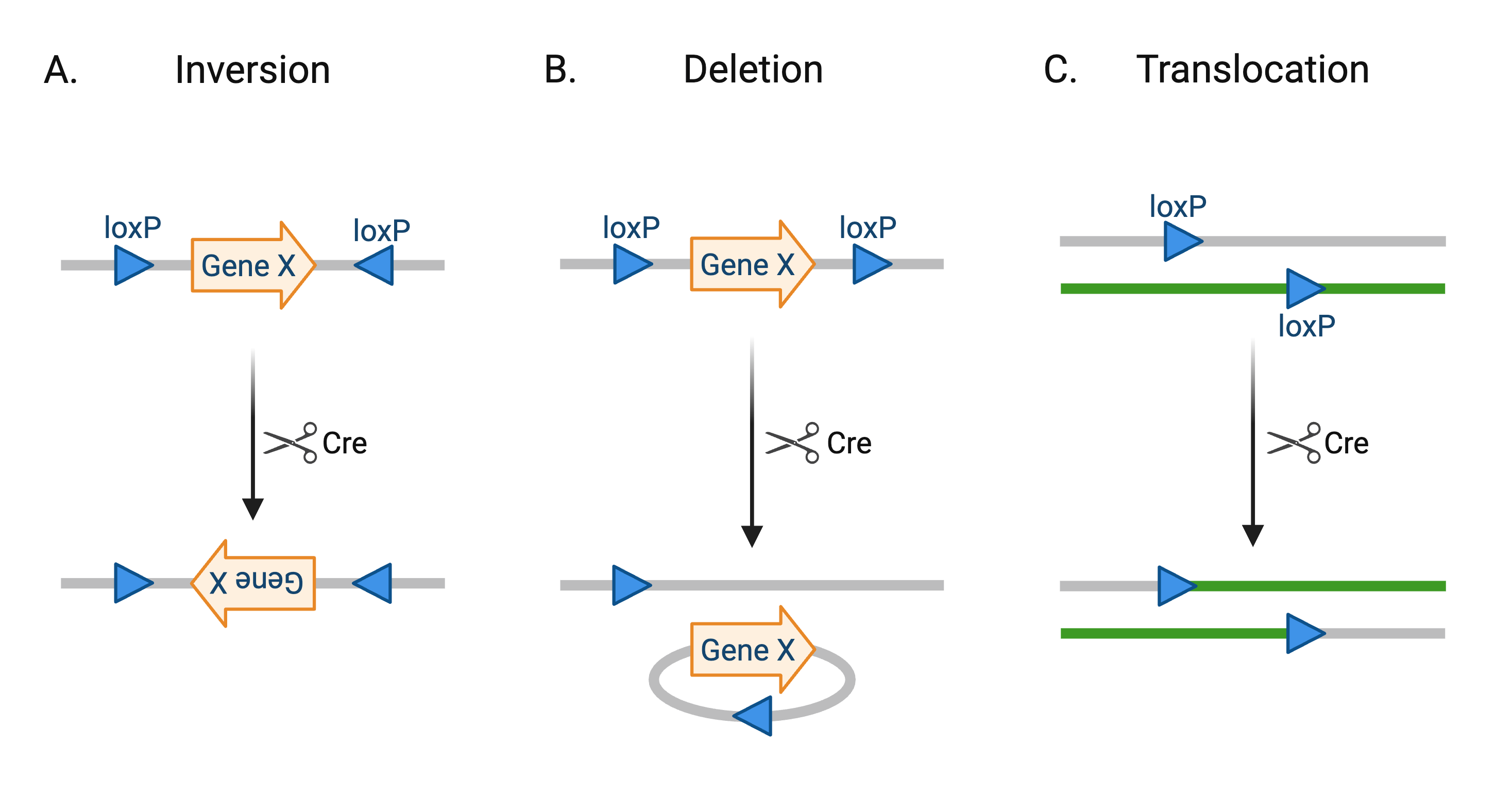
In previous posts for our Plasmids 101 series, we examined a number of important plasmid elements – promoters, origins of replication, protein tags, and antibiotic resistance markers (just to name a few). In this edition, we’re going to take a look at a very interesting tool ...
This is the second in a 5 part series on Management for scientists. This second installment in the Management for Scientists series will focus on an aspect of communication especially important for a manager – getting feedback from the team. Successful management can almost be ...
Updated mini-transposon vector for bacterial mutagenesis or gene targeting Victor de Lorenzo's lab has engineered a modular mini-Tn5 vector that can be used to generate random mutagenesis libraries or to insert heterologous genes, reporters, or other markers into a target ...
This post was contributed by Theresa Liao of the University of British Columbia. When transitioning from an academic science career path to a non-academic one, one of the biggest changes (and perhaps challenges) is the need to present yourself using a resume. Indeed, instead of ...
As 2014 comes to a close, we’ve been reflecting on the past year in science – as seen through the lens of Addgene’s blog and plasmid repository. Our blog is just over a year old, and it has grown steadily during 2014. We were excited to have more and more scientists offering to ...
Protein tags are usually smallish peptides incorporated into a translated protein. As depicted in the accompanying cartoon, they have a multitude of uses including (but not limited to) purification, detection, solubilization, localization, or protease protection. Thus far ...
This is the first in a 5 part series on Management for scientists. “I'm slowly becoming a convert to the principle that you can't motivate people to do things, you can only demotivate them. The primary job of the manager is not to empower but to remove obstacles.” – Scott Adams, ...