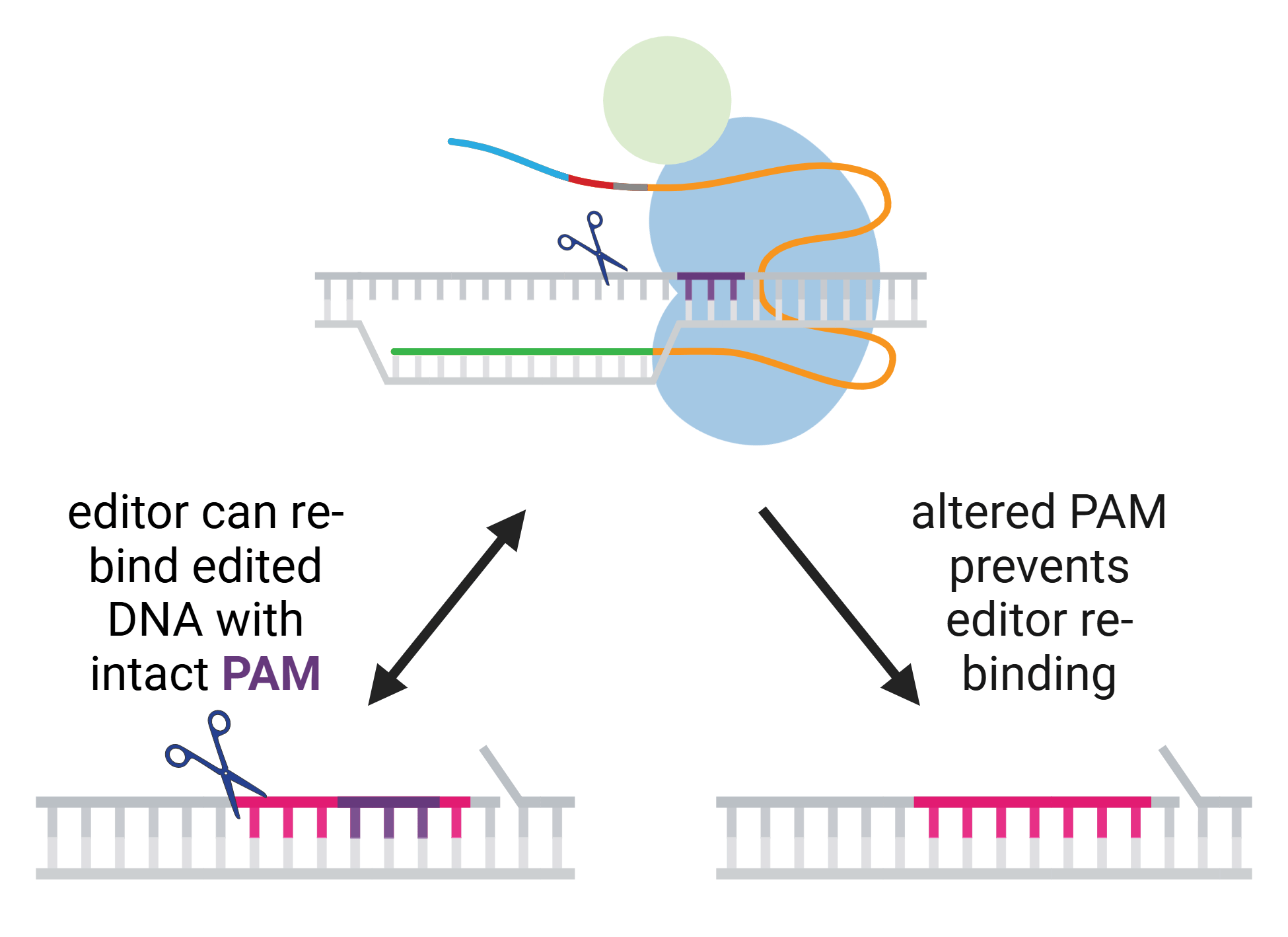
Over 75,000 pathogenic genetic variants have been identified in humans and cataloged in the ClinVar database. Previously developed genome editing methods using nucleases and base editors have the potential to correct only a minority of those variants in most cell types. But ...
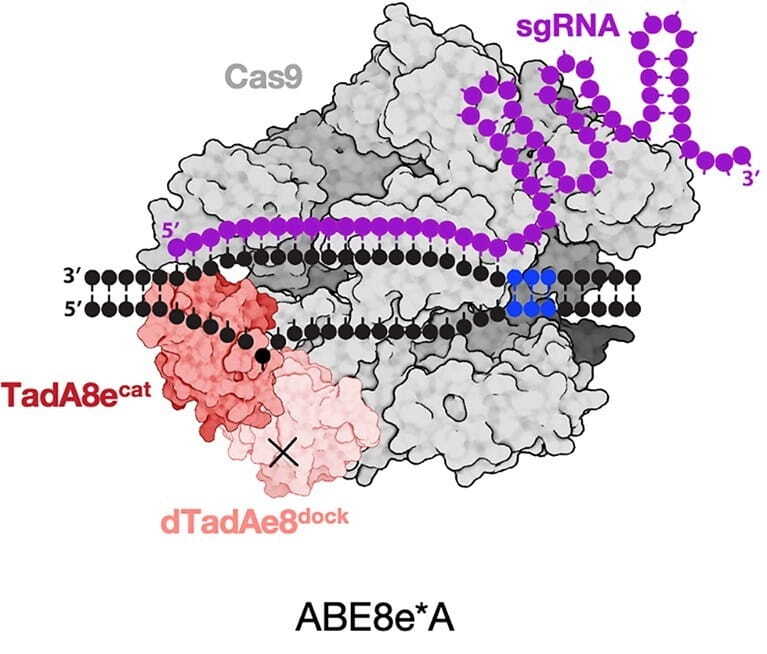
Deaminet 2026, held in Palm Springs in late January, brought together researchers studying deaminase enzymes across disciplines: from structural biologists resolving APOBEC proteins at atomic resolution, to cancer biologists dissecting mutational processes, to medical ...
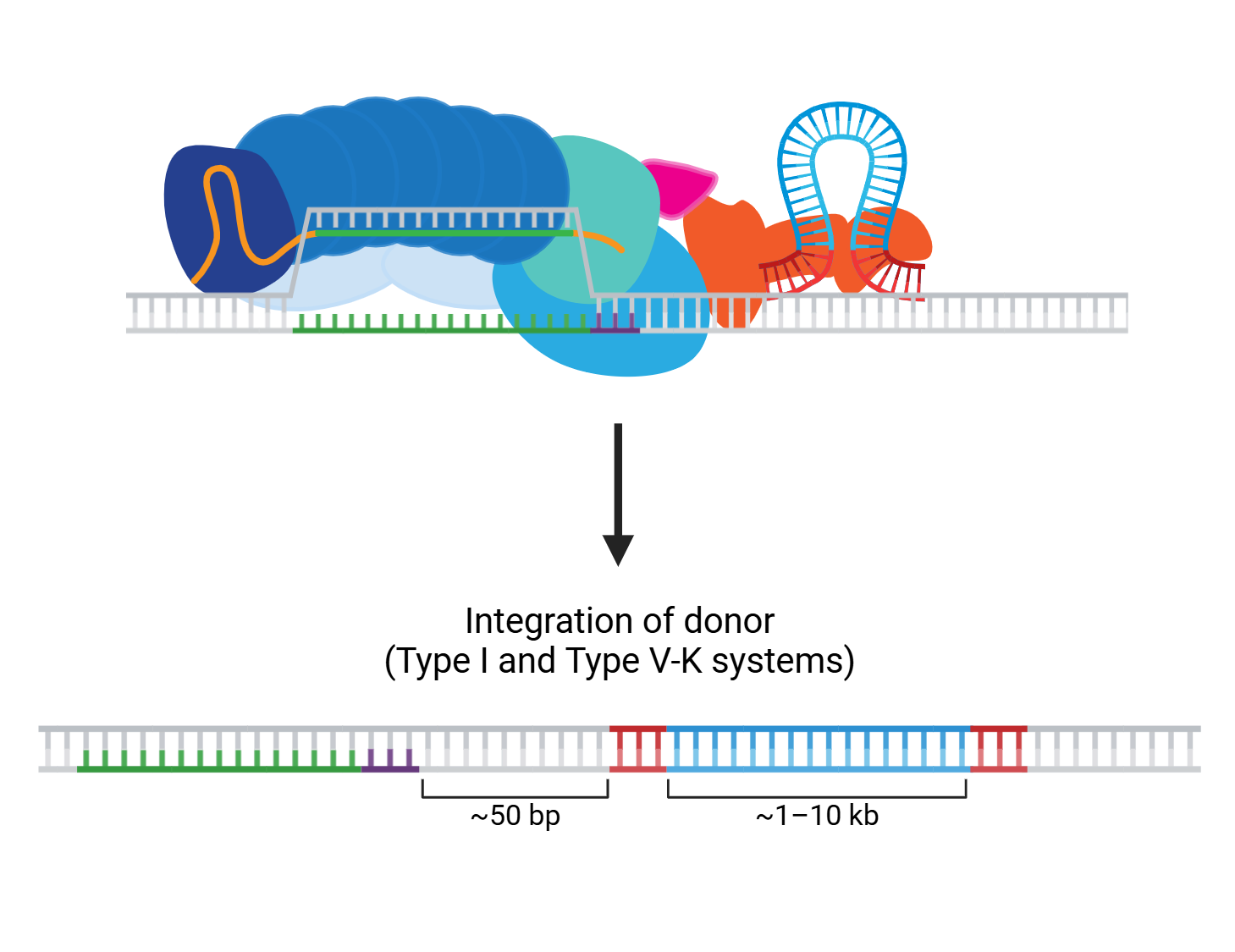
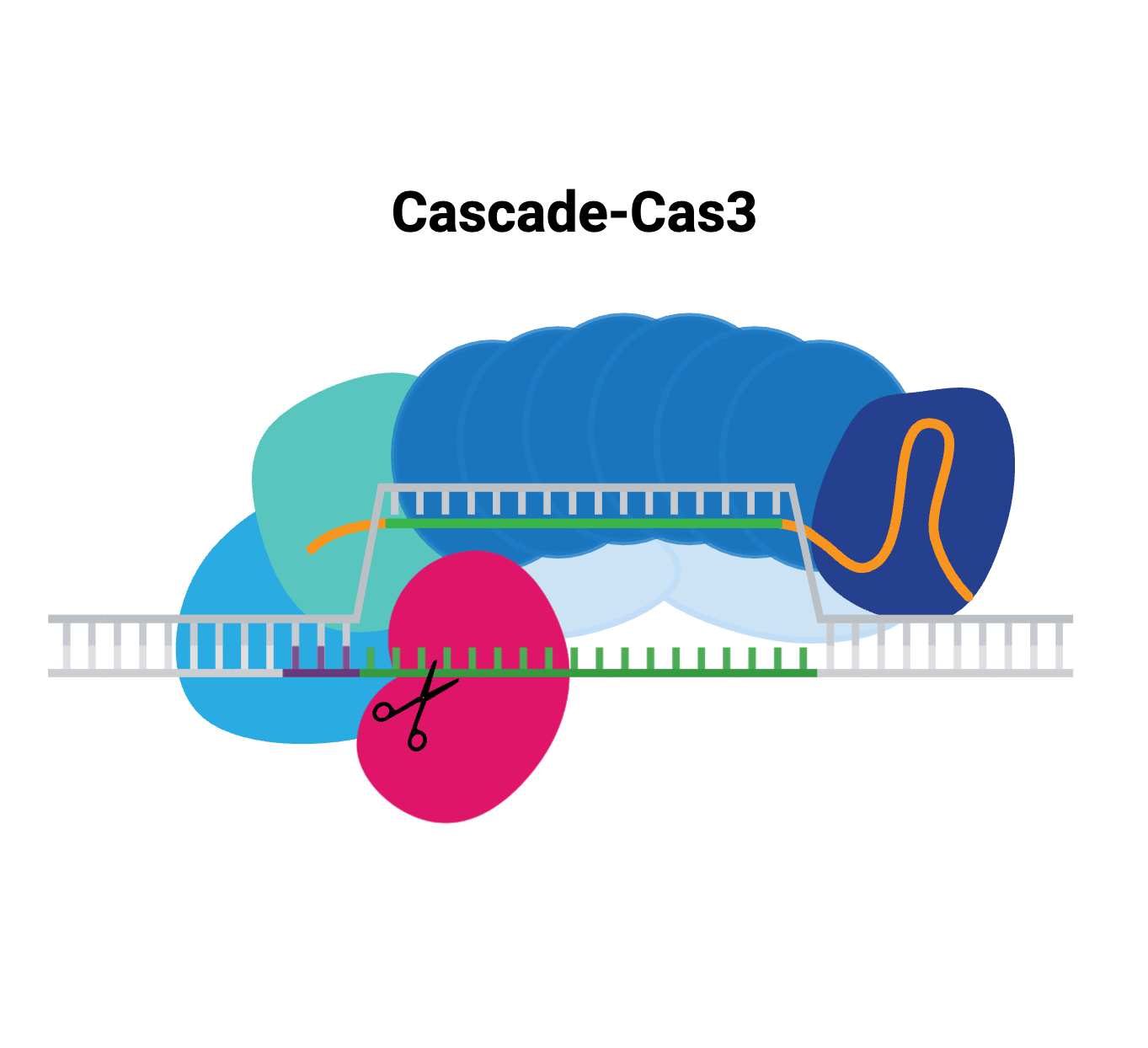
These days, it hardly seems like we finish writing about one dual CRISPR-transposon system before another exciting new advance emerges! The programmability and targeting power of CRISPR combined with the large sequence capacity of transposons open whole new worlds to explore. ...
The versatility of CRISPR allows you to play with DNA in a number of ways, from small edits that change single base pairs, to chromosomal inversions and large deletions. Many of these methods rely on Cas9 or a derivative of Cas9, but the ever-expanding repertoire of CRISPR has ...
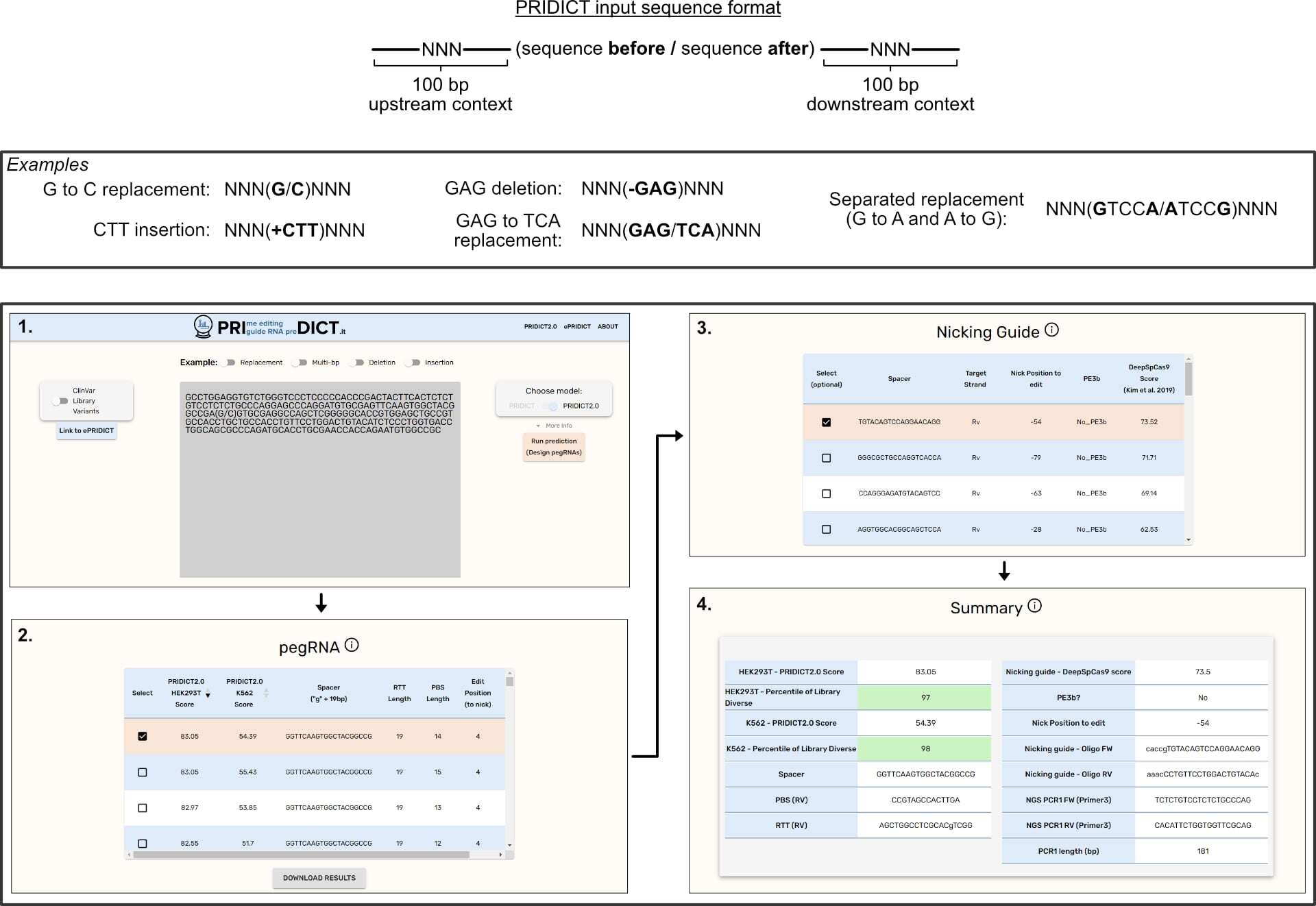
We recently updated our blog post on Prime Editing, and that meant rereading many of the original papers reporting various prime editing tools. These papers are chock full of great tips to guide your experimental design, especially the design of the RNA sequences you’ll use in ...
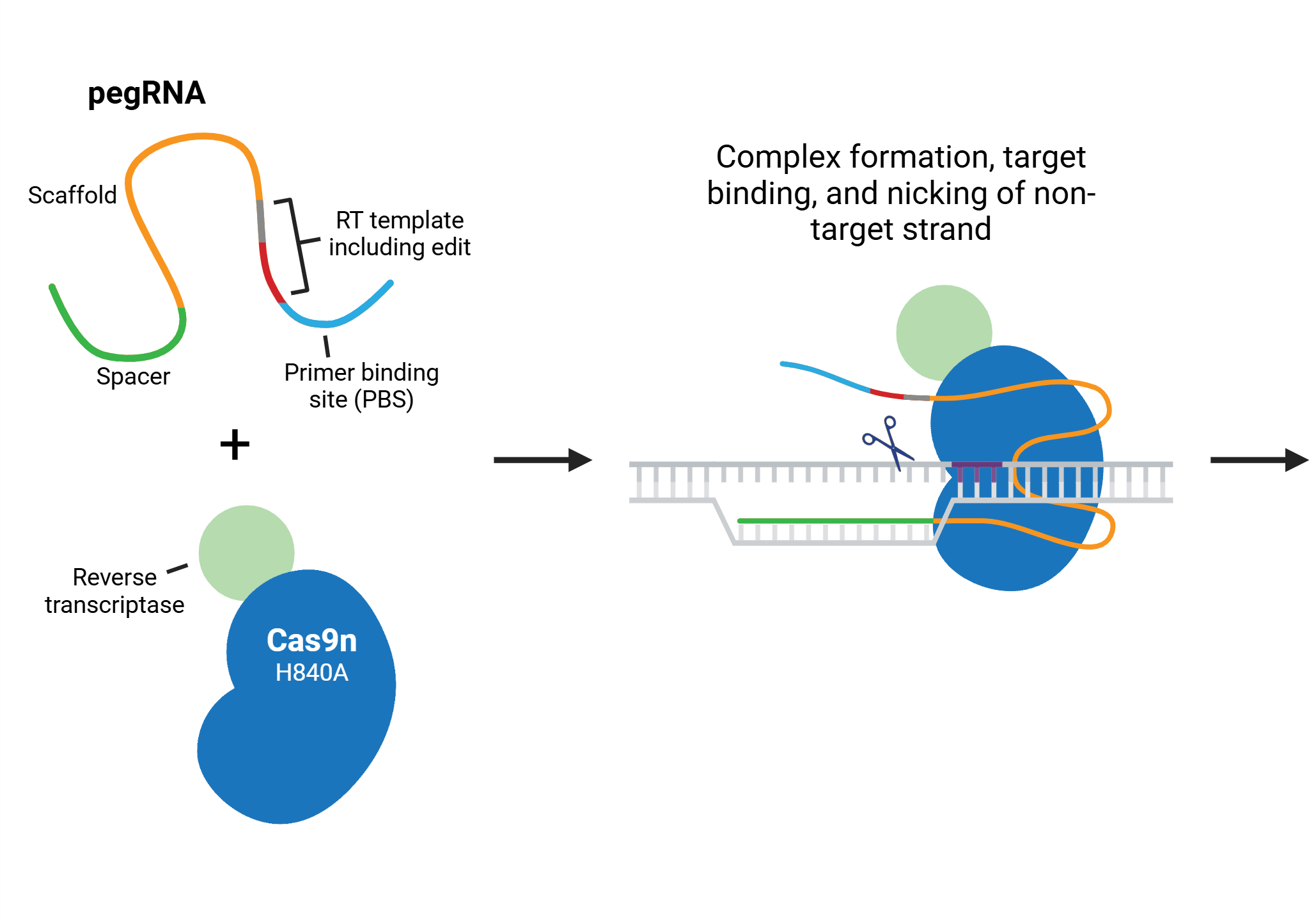
Prime editing is a versatile genome editing technology that allows precise modifications of DNA (replacements, small insertions, and deletions) without introducing DNA double-strand breaks (Anzalone et al., 2019; Chen & Liu, 2023). This method uses a prime editor (typically ...
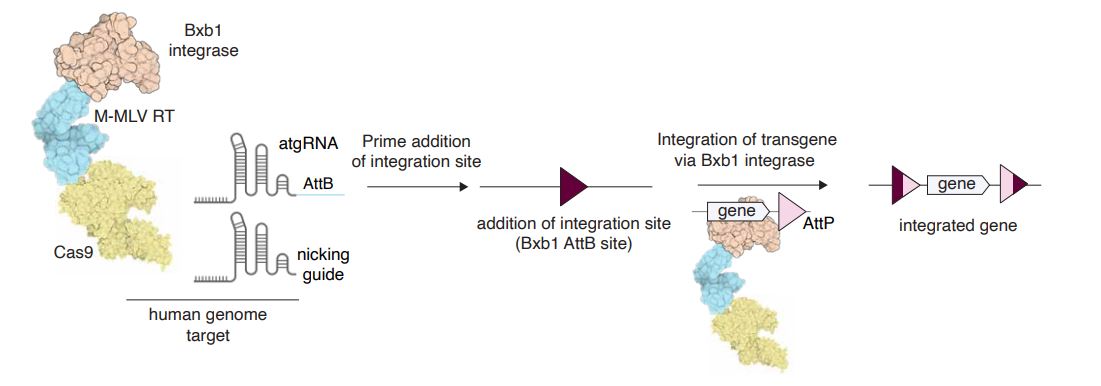
The hardest part of any revolutionary discovery, including CRISPR, is turning potential into impact. In molecular and cellular biology, this happens through the development of tools that exploit and expand our current knowledge. The Abudayyeh-Gootenberg lab (also called the ...
Originally published Jan 27, 2015 and last updated Dec 17, 2020. This post was contributed by Jordan Ward who is an assistant professor at the University of California, Santa Cruz. Emerging CRISPR/Cas9 editing technologies have transformed the palette of experiments possible in ...