Alyssa is a Scientific Curator at Addgene. She received her PhD in cancer biology from Scripps Research. She loves unique animal models, all things CRISPR, and sharing science with everyone.
Each plasmid in Addgene’s collection contains a story, hidden in the wealth of data all plasmids come with. The story tells who made the plasmid, who is using it, where it comes from and where it’s going, what it does, and even what advancements it has helped make.
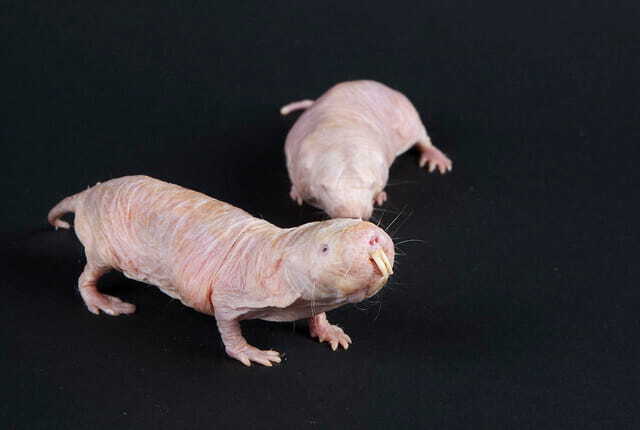
Modeling is not just a job for humans — it is also a job for many different organisms. And like human modeling, biological modeling turns out to be surprisingly glamorous and diverse. But what comes to mind when you picture a “model organism”? A mouse? A pesky fruit fly? ...
It takes a village! While you usually hear this phrase when discussing raising children, it can also be applied to research. Sharing knowledge and tools is the best way to help propel research forward and have the biggest impact. We should know — Addgene has built its foundation ...
This post was written by Alyssa Shepard and Angelo Nicolaci, a PhD student at Moffitt Cancer Center. Engineering usually calls to mind building things, lots of math, and maybe heavy machinery. But not all engineering is at a large scale — some is done on much smaller equipment ...
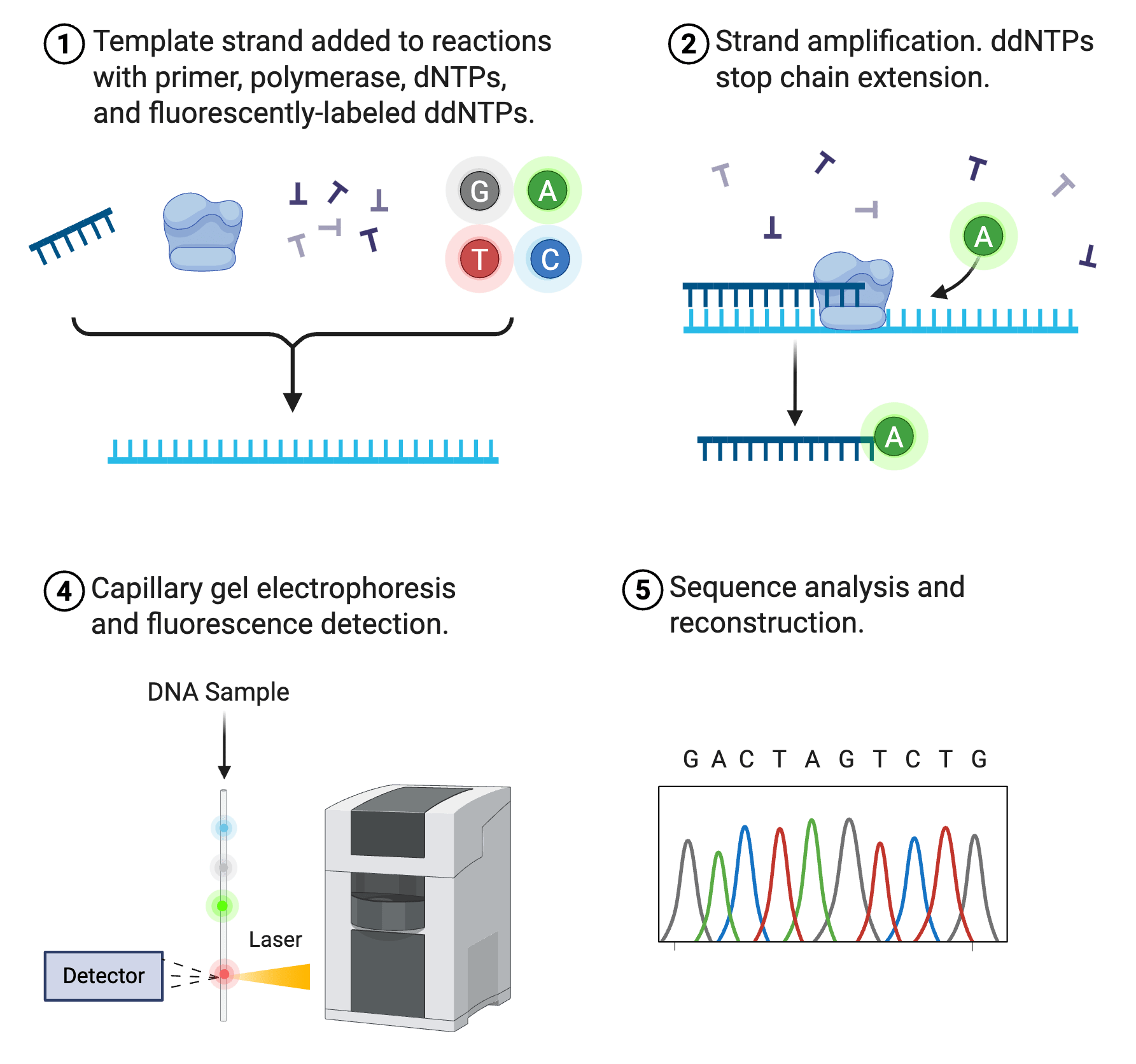
Previously, we provided a general overview of the QC process at Addgene. All plasmids go through this same initial QC process using an Illumina MiSeq, but that’s not the only technology Addgene uses to ensure accuracy of deposited plasmids. To resolve QC issues, assembly issues, ...
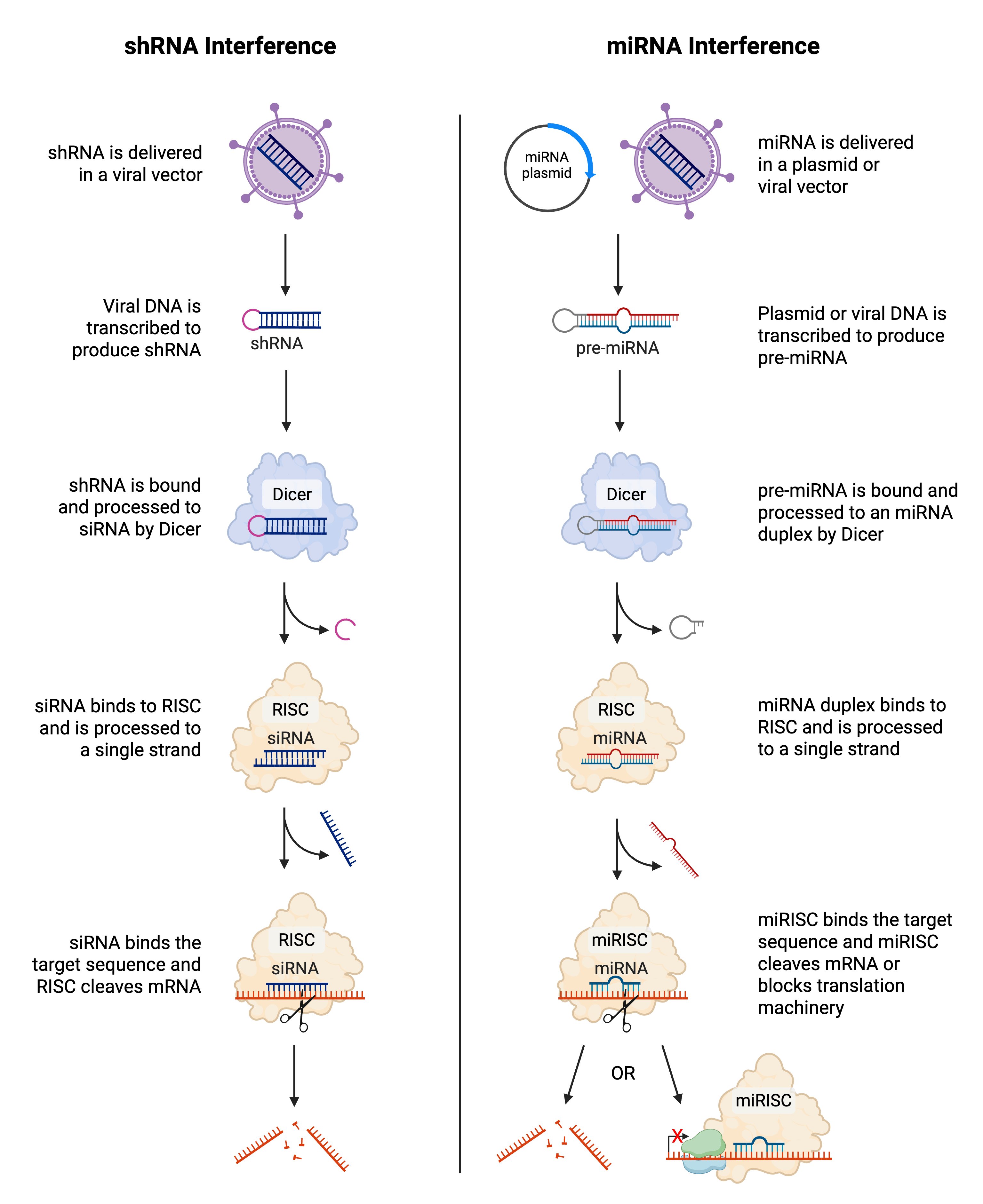
An oldie but a goodie — a phrase used to refer to something that has fallen out of fashion but is still useful and most importantly, effective. In the research world, there is a myriad of tools this could be applied to. When it comes to altering gene expression, CRISPR ...
Nobody’s perfect! This is a platitude I’m sure we have all heard. It’s a truth that extends to both people and the tools we use. Scientists utilize an array of tools that rely on DNA amplification and manipulation to produce and edit plasmids. These are prone to error — both ...
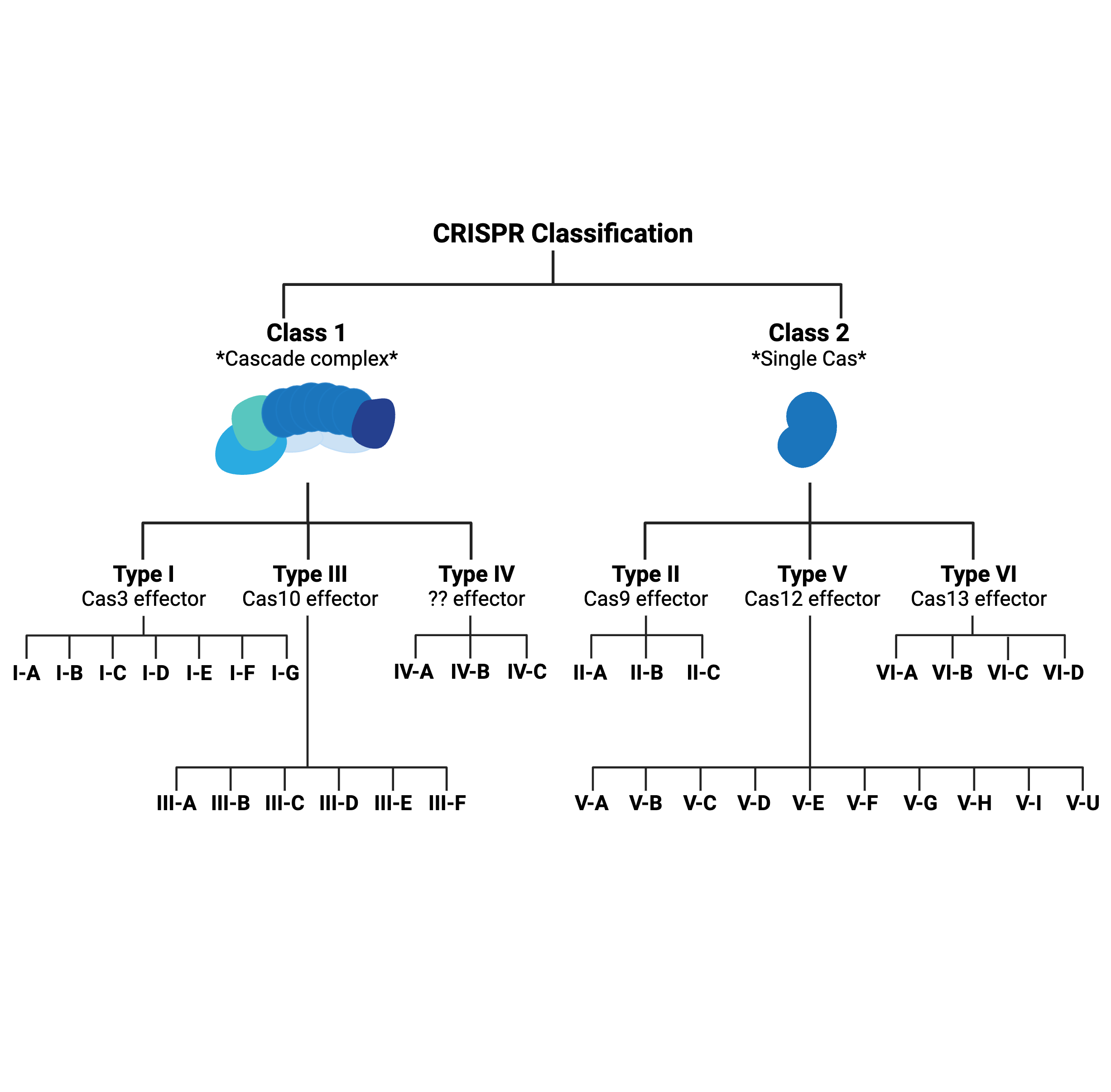
What’s in a type? That which we call CRISPR, by any other name would…probably still edit genomes.