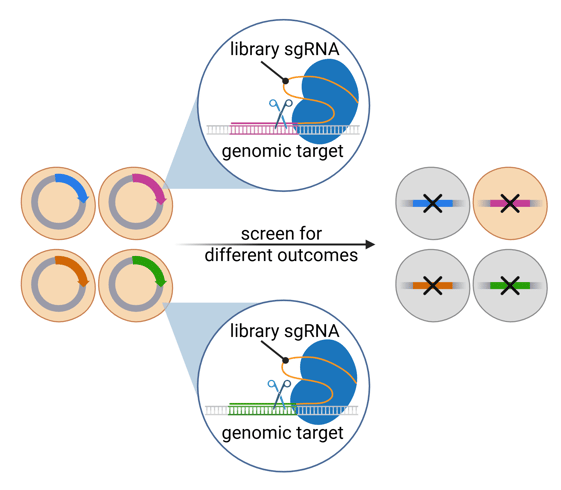
In July, Addgene hosted a webinar titled “CRISPR Pooled Libraries: Optimizing Knockout Library Design.” If you missed it, don’t worry! Not only is it still available to watch, but this post covers the same material.
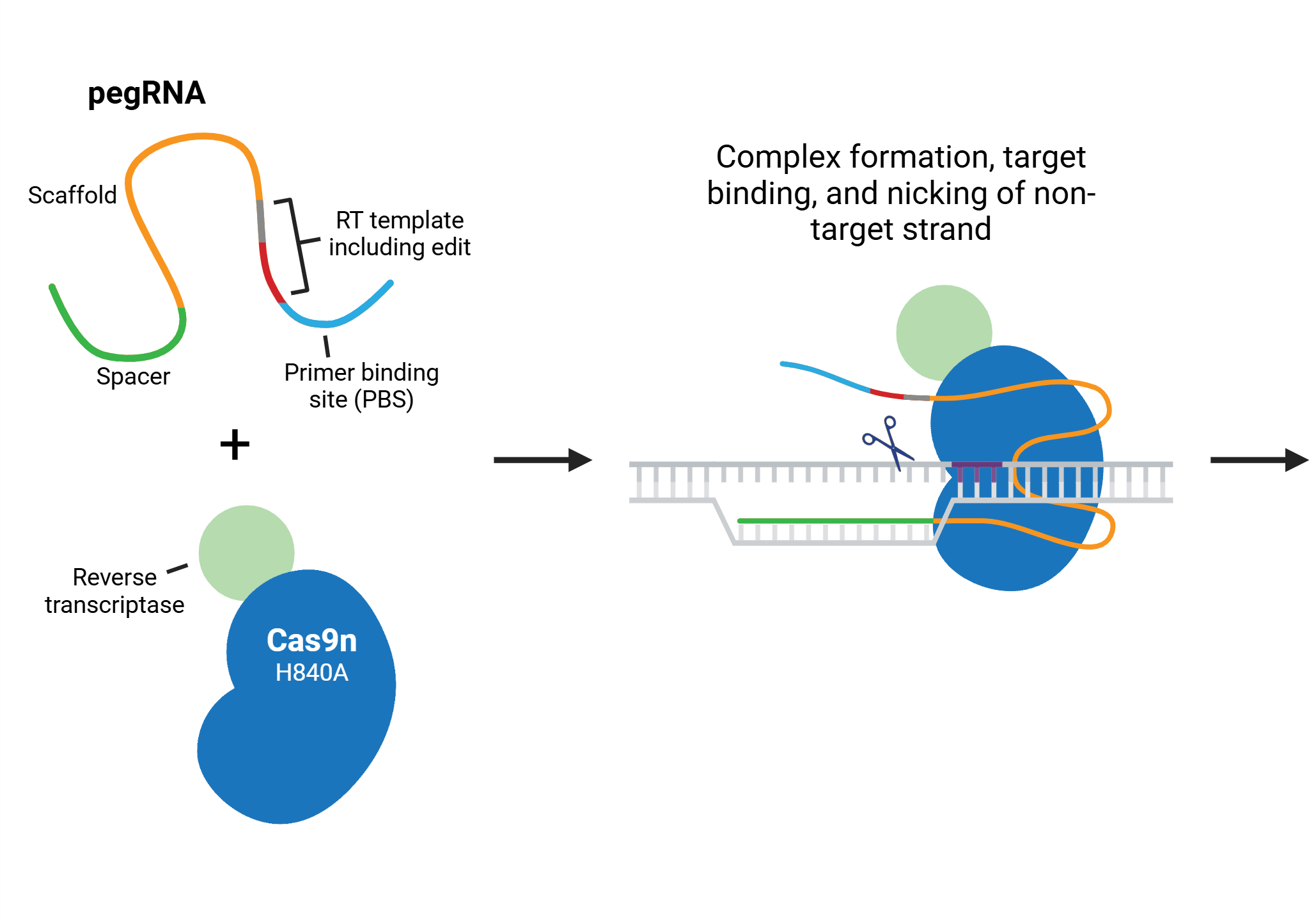
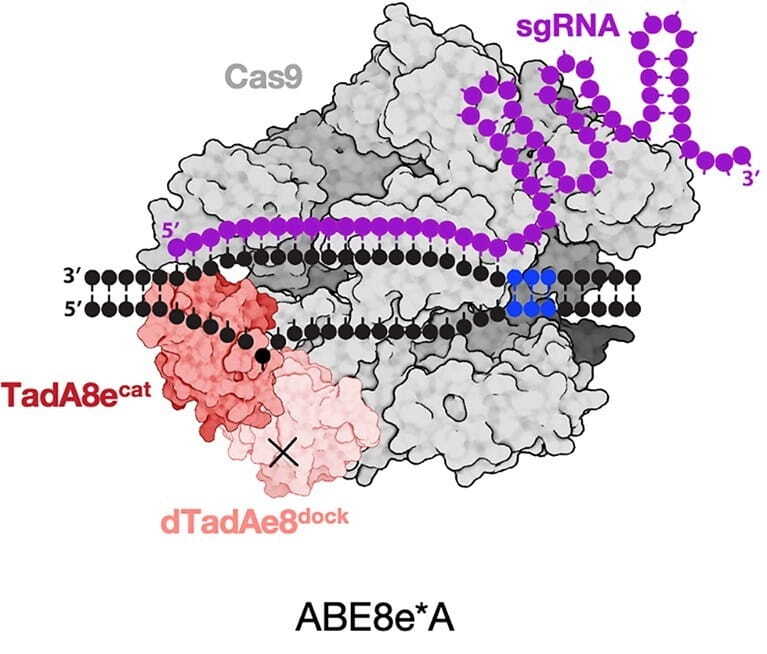
Over 75,000 pathogenic genetic variants have been identified in humans and cataloged in the ClinVar database. Previously developed genome editing methods using nucleases and base editors have the potential to correct only a minority of those variants in most cell types. But ...
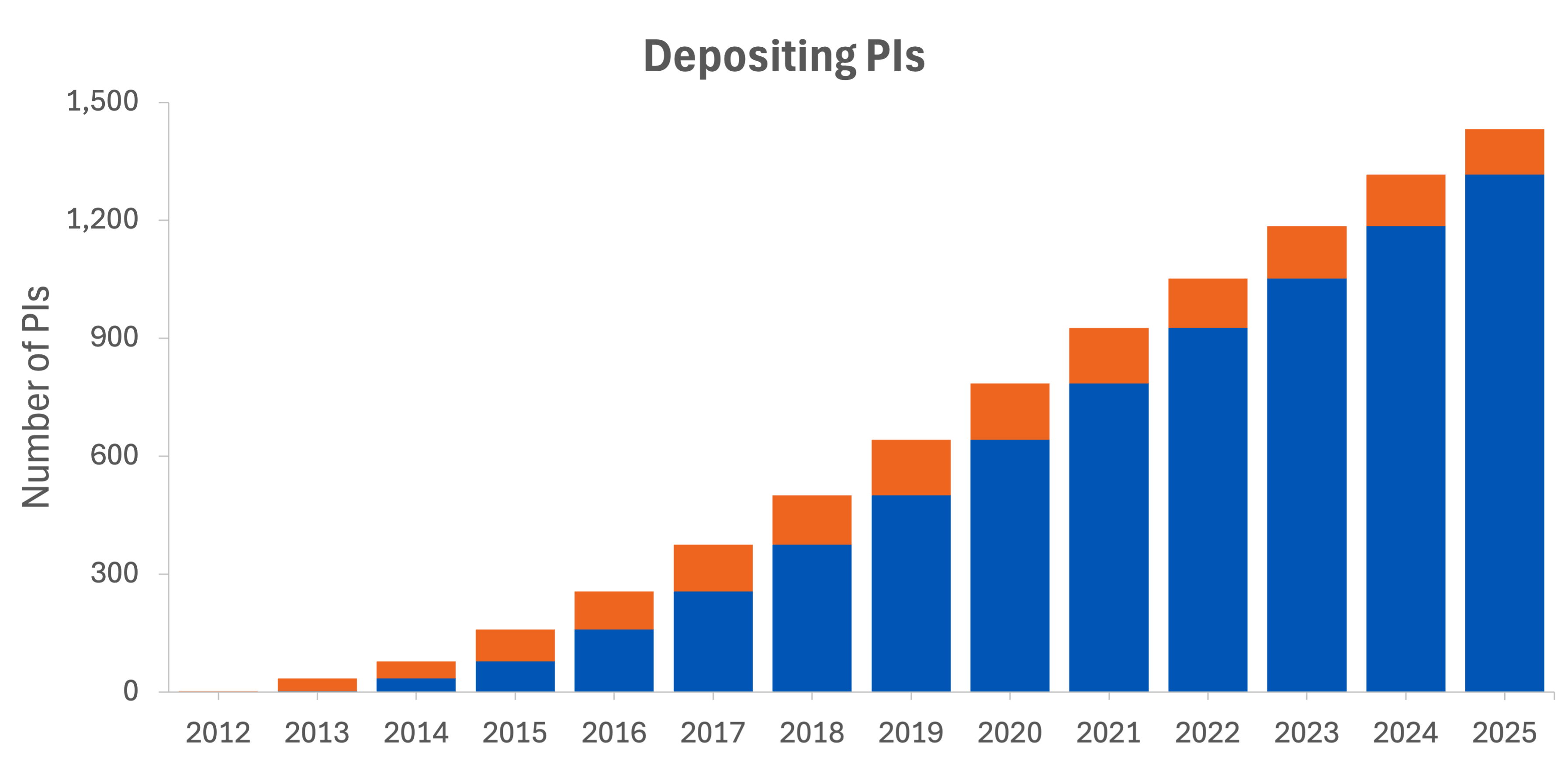
Each plasmid in Addgene’s collection contains a story, hidden in the wealth of data all plasmids come with. The story tells who made the plasmid, who is using it, where it comes from and where it’s going, what it does, and even what advancements it has helped make.
iGEM isn’t any old science fair. “The world’s biggest synthetic biology competition” brings together hundreds of student teams to build projects and solve problems using molecular biology.
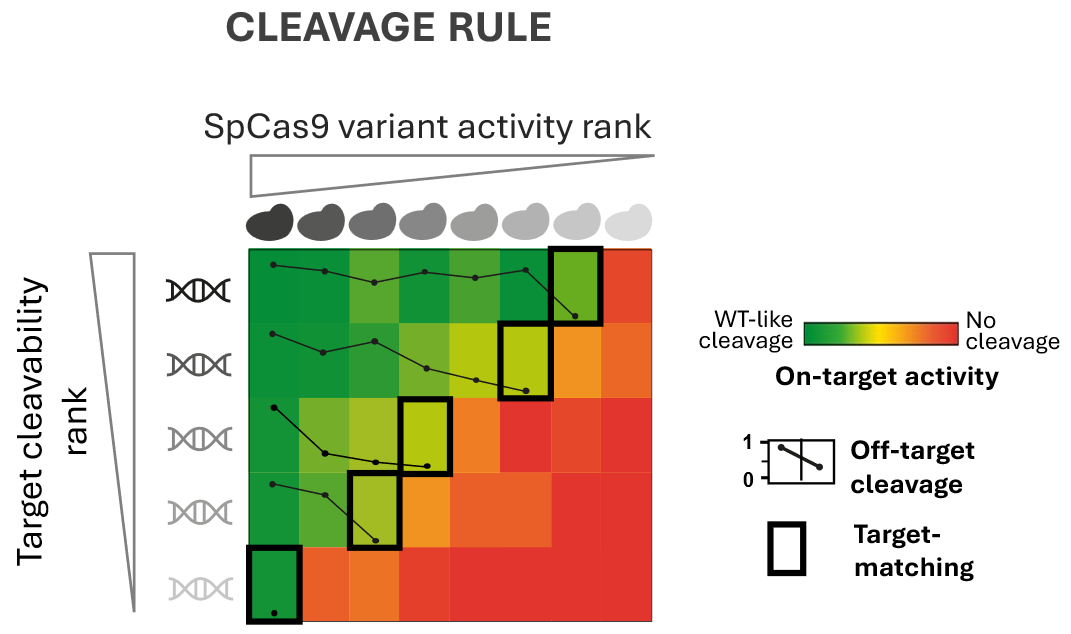
ByBalázs Csoma, Hungarian Research Network CRISPR nucleases are remarkably precise molecular tools for cutting DNA. But “remarkably precise” does not mean “perfectly specific.” In reality, CRISPR nucleases occasionally make mistakes and cleave DNA sequences that only resemble ...
Deaminet 2026, held in Palm Springs in late January, brought together researchers studying deaminase enzymes across disciplines: from structural biologists resolving APOBEC proteins at atomic resolution, to cancer biologists dissecting mutational processes, to medical ...
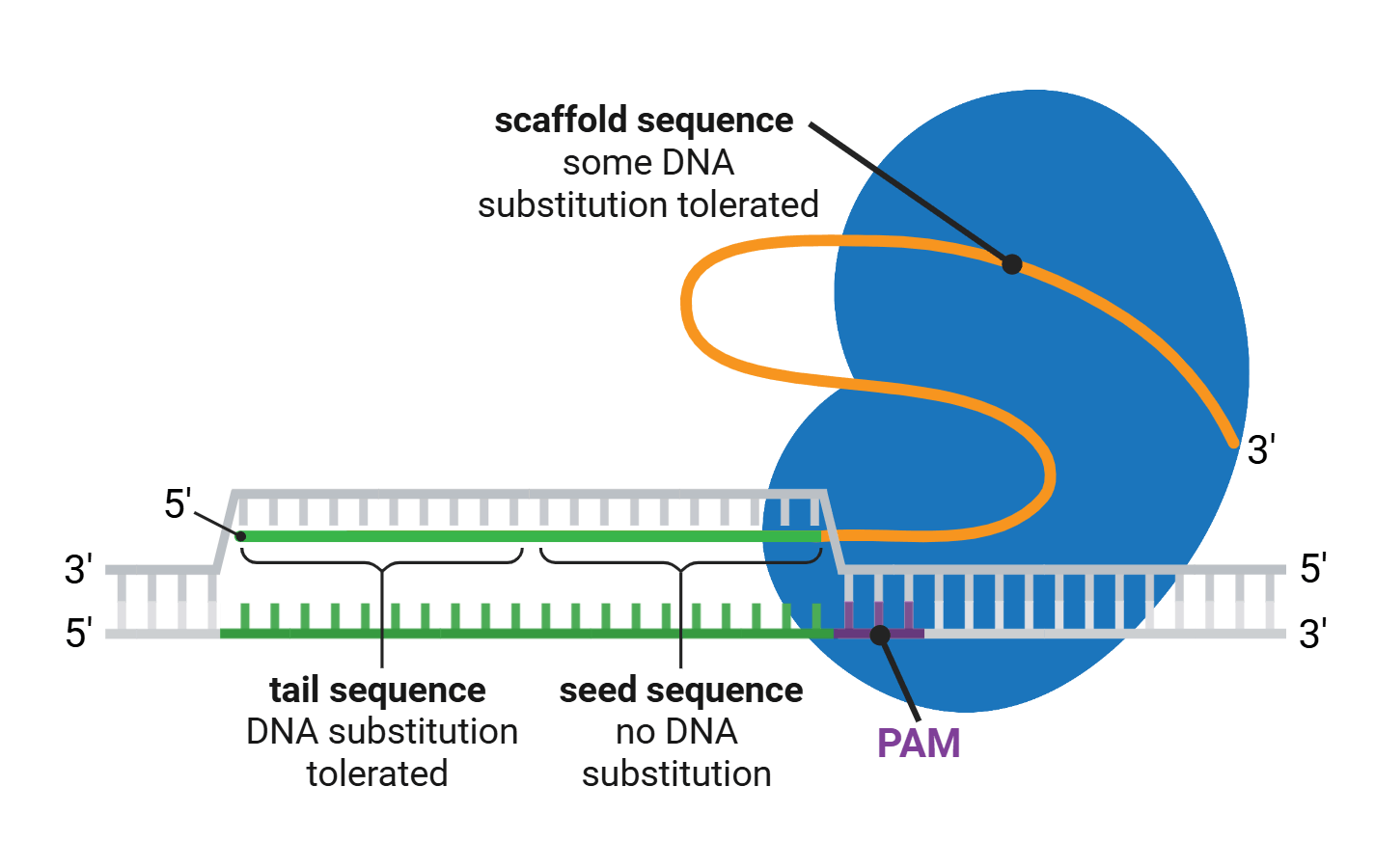
The genome-editing tool CRISPR is famously RNA-guided... except when it’s not. Turns out, carefully designed RNA-DNA hybrid strands work just as well—or maybe even better—at guiding Cas nucleases to specific genomic targets.
It was huge news earlier this year: the first patient in the world, an infant, was successfully treated with a CRISPR gene editing therapy personalized to his genetic mutation. “Baby KJ” was diagnosed with a rare and dangerous metabolic disease shortly after his birth. Within a ...