Addgene blog
Search
Subscribe
  • Plasmids
    • Plasmids Topic Overview
    • Plasmids 101
    • Plasmid Elements
    • Plasmid Cloning
    • Protein Tags
    • Protein Expression and Purification
    • RNA Tools
    • Non-CRISPR Gene Editing
    • Molecular Biology Protocols and Tips
    • Other Plasmid Tools
  • CRISPR
    • CRISPR Topic Overview
    • CRISPR 101
    • Cas Proteins
    • Base and Prime Editing
    • CRISPR Therapeutics
    • CRISPR Expression and Delivery
    • CRISPR Pooled Libraries
    • CRISPR Protocols and Tips
    • Other CRISPR Tools
  • Viral Vectors
    • Viral Vectors Topic Overview
    • Viral Vectors 101
    • Addgene’s Viral Service
    • AAV and Adenoviral Vectors
    • Retroviral and Lentiviral Vectors
    • Viral Vector Protocols and Tips
  • Imaging and More
    • Imaging and More Topic Overview
    • Imaging and More 101
    • Fluorescent Proteins
    • Luminescence
    • Chemogenetics
    • Optogenetics
    • Biosensors
    • Cell Tracing
    • Other Tools for Imaging and More
  • Antibodies
    • Antibodies Topic Overview
    • Antibodies 101
    • Antibody Production
    • Western Blotting
    • Flow Cytometry
    • Affinity Tags
    • Other Antibody Applications
    • Other Antibody Topics
  • Addgene
    • Addgene Topic Overview
    • Hot Plasmids
    • Material Highlights
    • Addgene News
    • Using Addgene's Website
    • Fun at Addgene
    • Scientific Sharing
  • Other
    • Other Topics
    • Science Careers
    • Neuroscience
    • Microbiology
    • Synthetic Biology
    • Model Organisms
    • COVID-19
  • About
  • Subscribe

Beth Kenkel

Beth Kenkel is currently a research scientist at a cell therapy company. She is particularly interested in science communication and viral vectors. Follow Beth on twitter @ElizabethKenkel.

Blog articles by Beth Kenkel

Molecular Biology Protocols and Tips

Deep Mutational Scanning with One Pot Saturation Mutagenesis

Beth Kenkel February 22, 2017

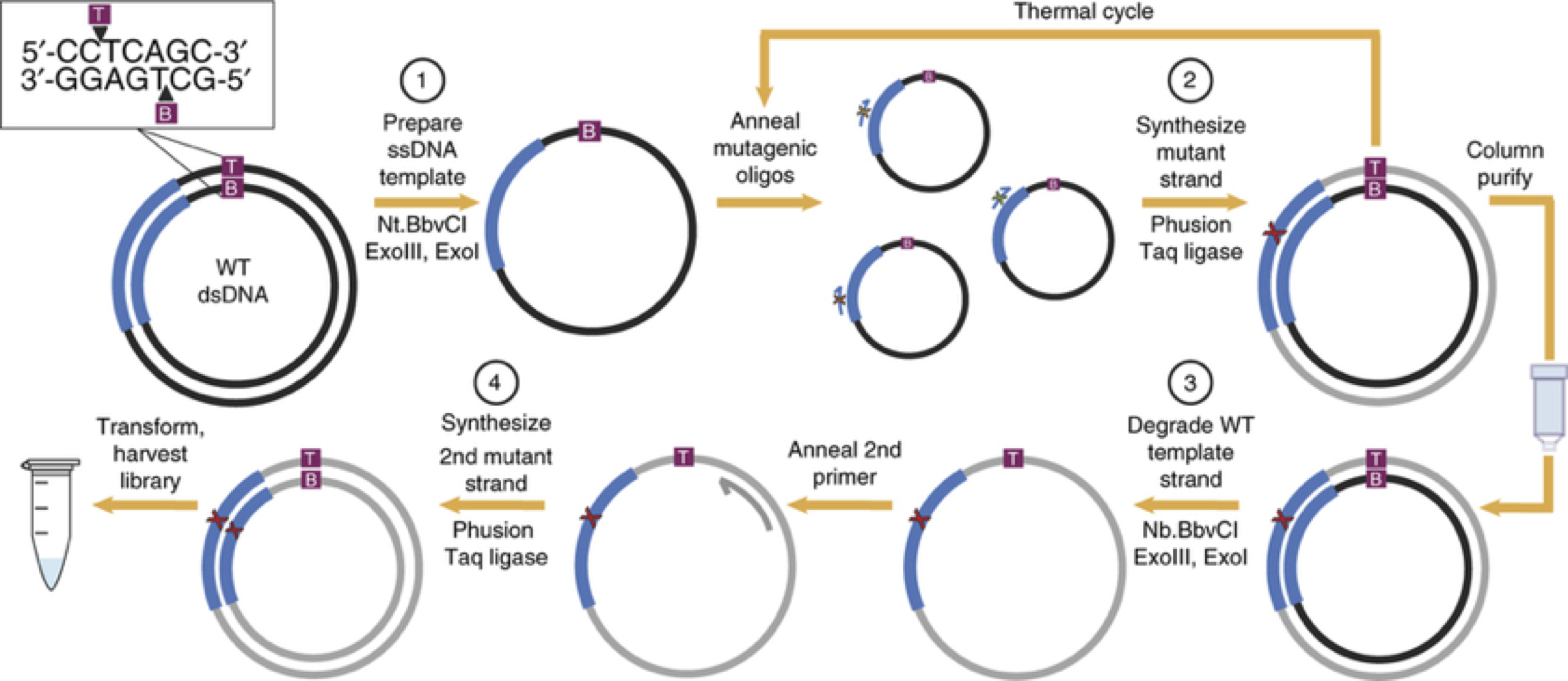
Scientists use deep mutational scanning to simultaneously test how multiple amino acid changes affect a protein of interest’s function. This technique relies on the generation of a plasmid library that expresses all desired variants of a protein. Applying a selective pressure ...

One-Pot-Saturation Mutagenesis.png
Plasmid Cloning

Lambda Red: A Homologous Recombination-based Technique for Genetic Engineering

Beth Kenkel December 15, 2016

Restriction enzyme cloning is the workhorse of molecular cloning; however, one of its biggest limitations is that sequence modifications can only be made at restriction enzyme cut sites. The lambda red system is an alternative method that can be used for cloning or genome ...

Plasmids 101

Plasmids 101: Colony PCR

Beth Kenkel May 12, 2016

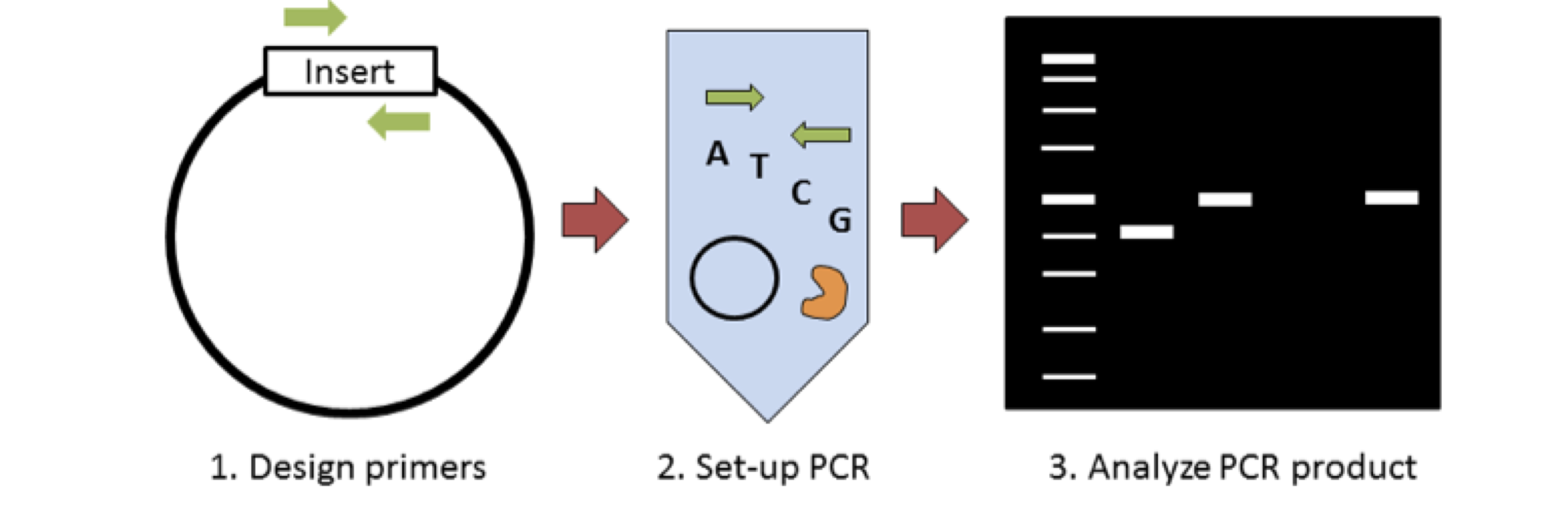
Molecular cloning requires some method of screening colonies for the presence of an insert. Traditionally this has been done with restriction enzyme digest; however colony PCR can accomplish the same thing in less time and for less money. The key steps to colony PCR are: 1) ...


  • Previous

Sharing science just got easier... Subscribe to our blog

Subscribe

Follow Addgene on Social

  • linkedin
  • facebook
  • instagram
  • youtube

Powering Scientific Sharing

Addgene is a nonprofit repository for plasmids, viral vectors, and antibodies developed by the global research community.

Stay connected!
Addgene Facebook Page Addgene Bluesky Page Addgene Instagram Page Addgene YouTube Channel Addgene LinkedIn Page
Addgene
  • Contact
  • Cookies & Privacy Policy
  • Accessibility
  • Terms of Use
  • Status