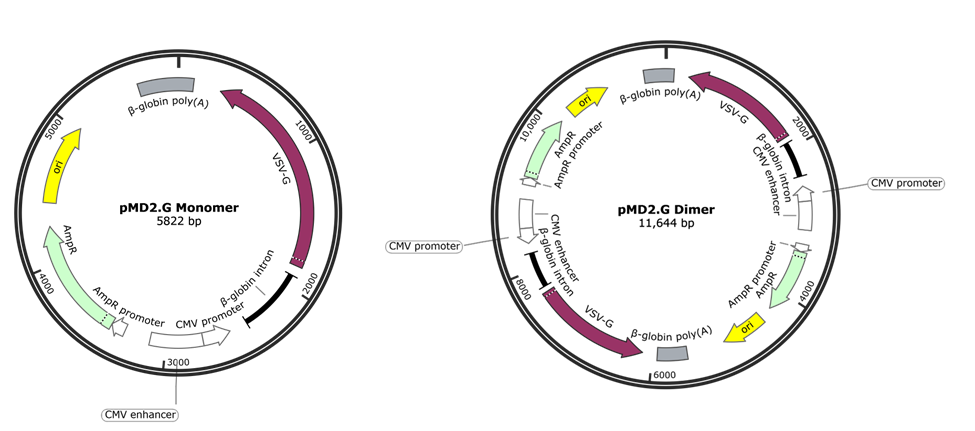
When performing restriction digests on plasmids at Addgene, we sometimes observe something odd in our uncut DNA control: a band or two appear on an agarose gel at notably higher molecular weights than expected, given the size of the plasmid. This is seen only in the uncut DNA; ...
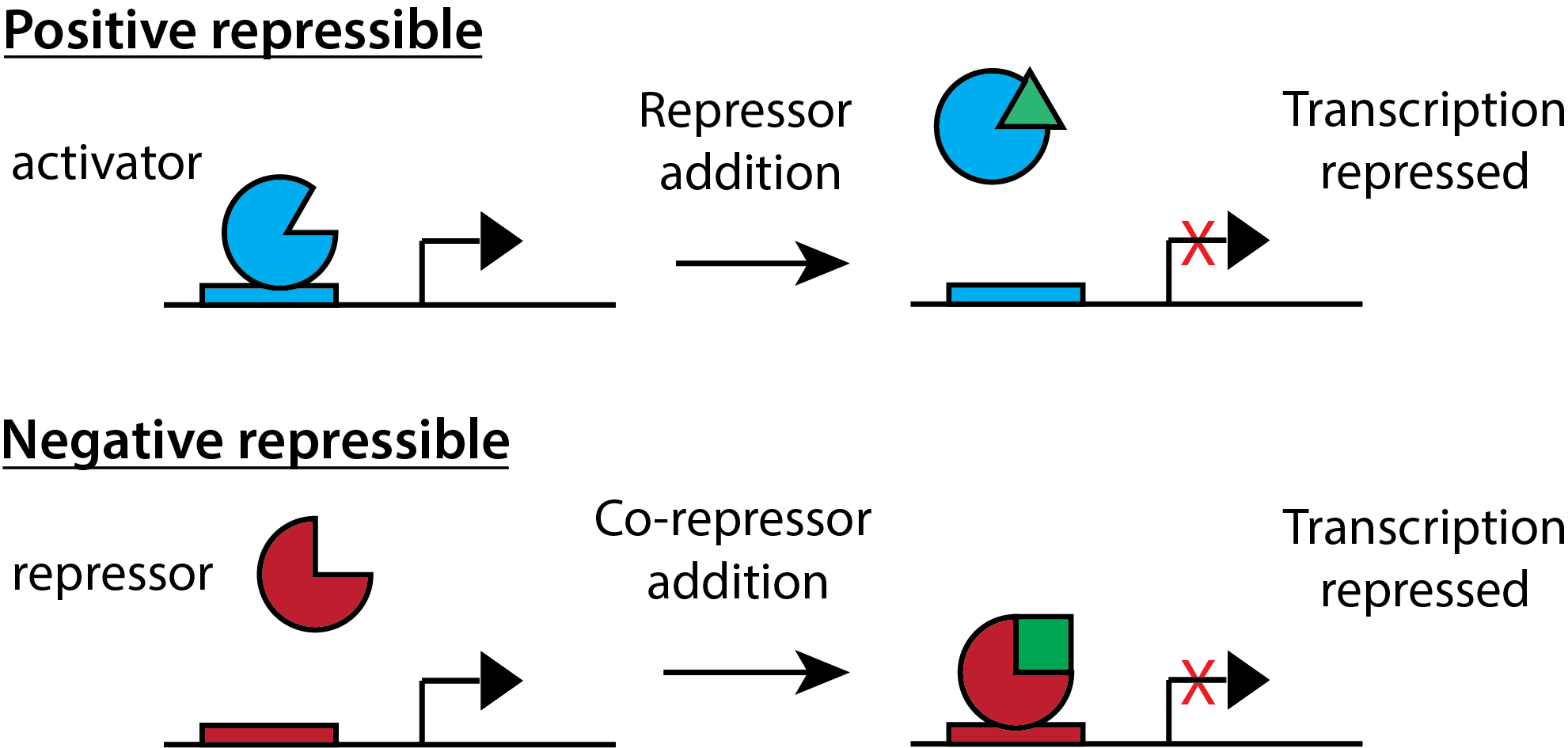
Promoters control the binding of RNA polymerase and transcription factors. Since the promoter region drives transcription of a target gene, it therefore determines the timing of gene expression and largely defines the amount of recombinant protein that will be produced. Many ...
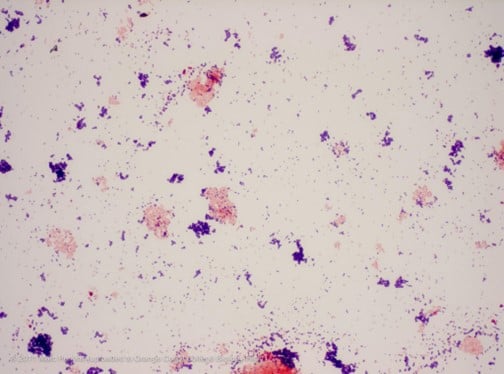
In a lab, you may have heard the phrase gram negative or positive being used to describe a species of bacteria, but what does it actually mean? What relevance does it have on the structure of a bacteria species and how it can be used in a lab? Here we’ll be talking about the ins ...
FLIS and Flies Drosophila, more commonly known as fruit flies, have been an important animal model for research, particularly genetics research, for decades. Its short life cycle, reasonably close genetic homology to humans, and small size have allowed scientists to use it as a ...
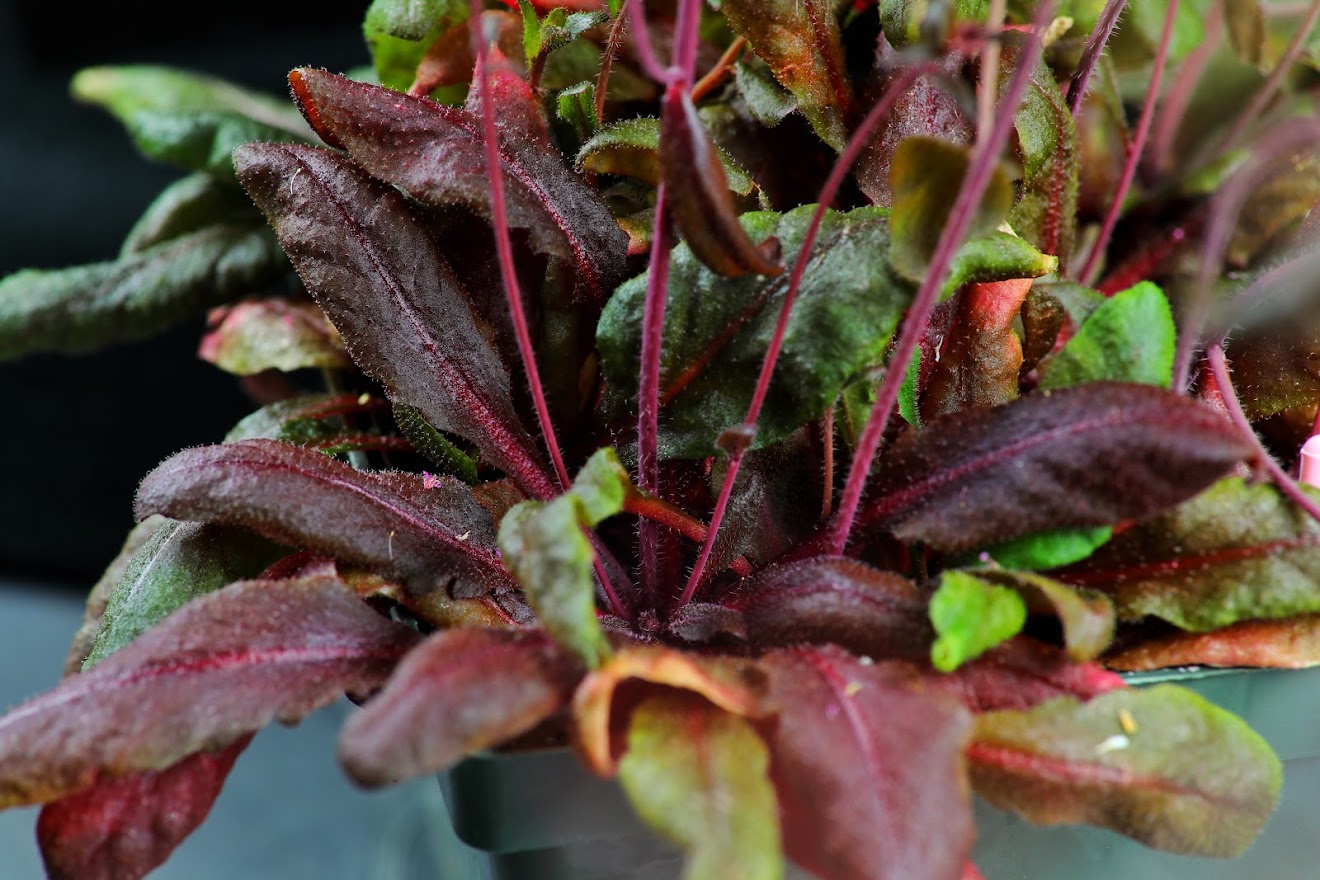
Selectable transgene markers for plant transformation fall into two main categories: antibiotic/herbicide resistance and fluorescent proteins. Selection using resistance genes usually involves killing the untransformed seedlings or callus (undifferentiated plant cell culture), ...
Every few months we highlight a subset of the new plasmids and viral preps in the repository through our hot plasmids articles. These articles provide brief summaries of recent plasmid deposits and we hope they'll make it easier for you to find and use the plasmids you need.
Every few months we highlight a subset of the new plasmids and viral preps in the repository through our hot plasmids articles. These articles provide brief summaries of recent plasmid deposits and we hope they'll make it easier for you to find and use the plasmids you need. ...
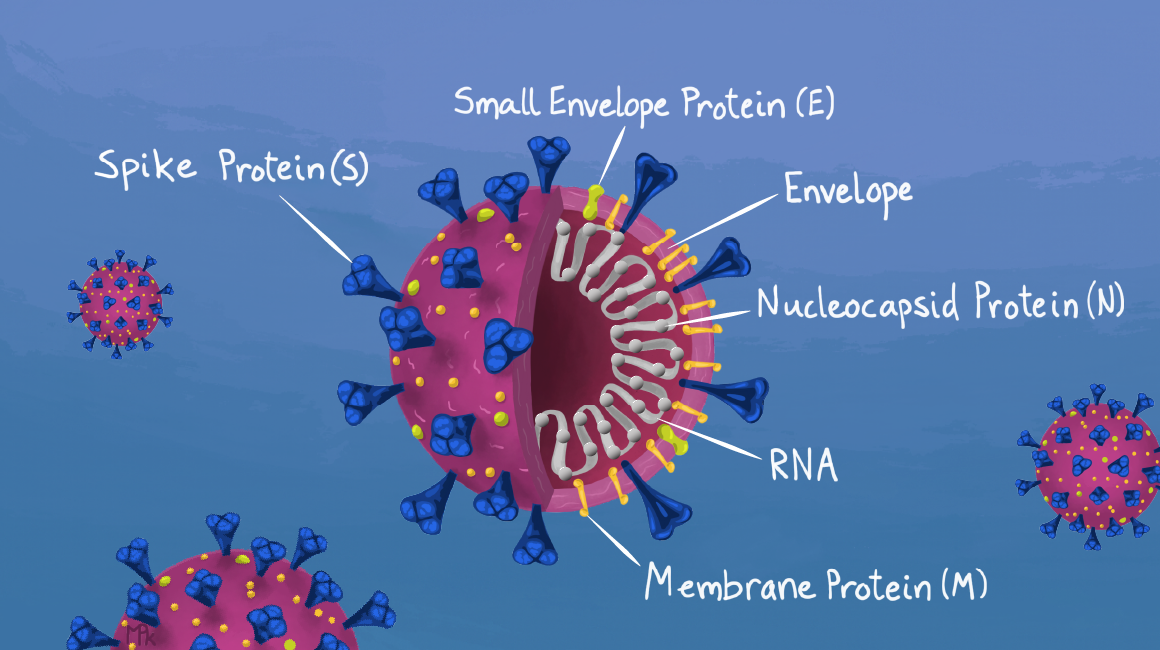
Originally published Apr 30, 2020 and last updated Jul 12, 2021. What started out as a small collection of plasmids for coronavirus research, including a handful of plasmids that have been in the repository for many years, has now grown into a collection of over 2,400 plasmids, ...