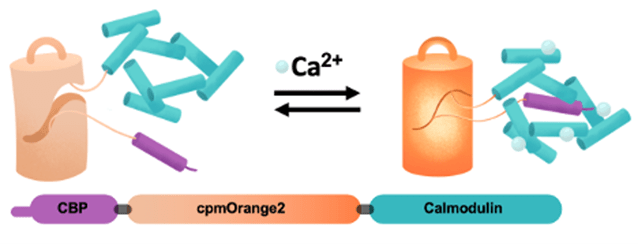
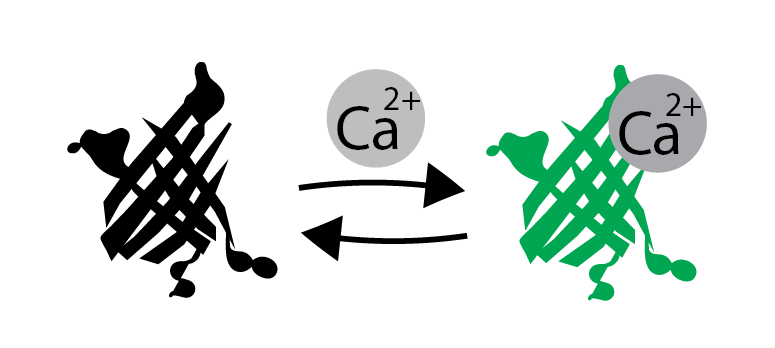
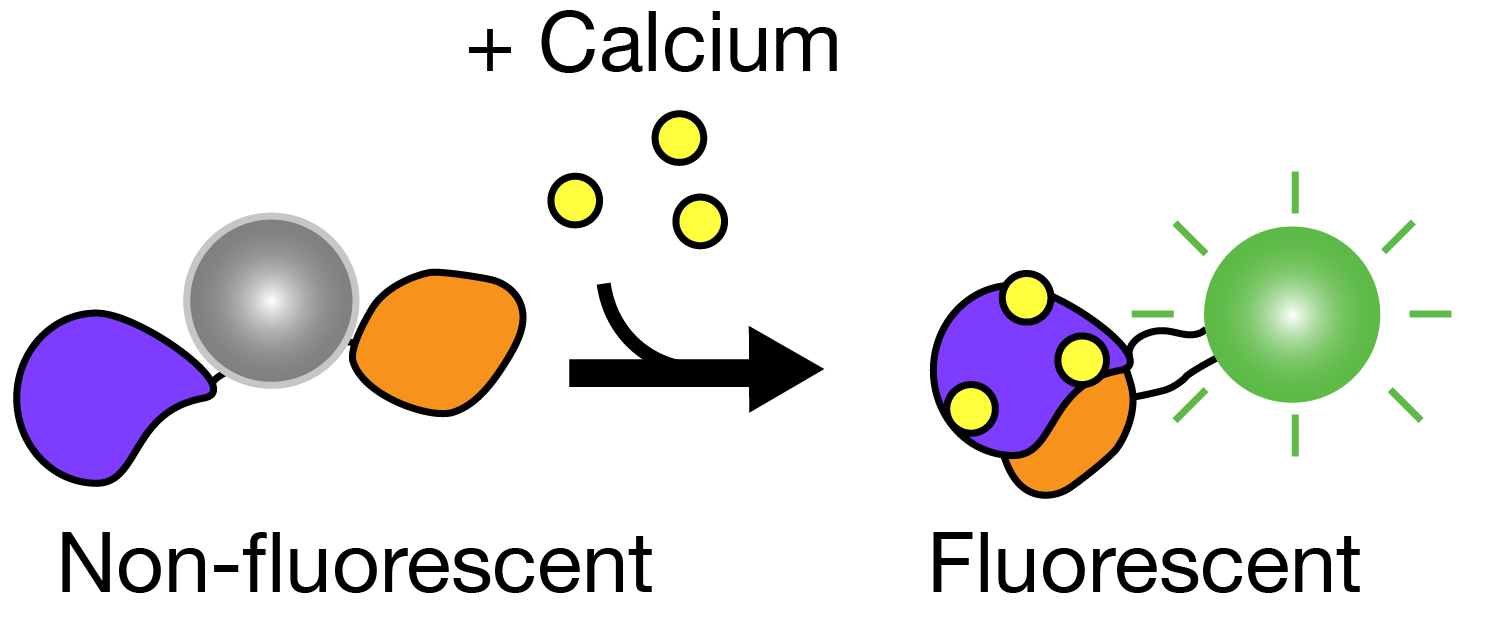
This post was written by Abhi Aggarwal from University of Calgary. Over the past few decades, genetically encoded calcium indicators (GECIs) have become a vital tool in neuroscience research. These fluorescent proteins light up in response to calcium, which is more than just the ...
Calcium is arguably one of the most important metal ions in biology (sodium and potassium are up there too!). Calcium is fundamental to muscle and nerve function, hormone secretion, blood clotting, and as we all know, a structural component of bones and teeth. It is an enzyme ...
Here at Addgene’s headquarters, the skies are getting dark and wintry with the end of year approaching. We’re always looking for something to brighten our day, whether it’s memories of summer or just a bright new plasmid. One area with lots of bright new plasmids is our ...
Many, many techniques are available to assess protein-protein interactions. One popular approach is to fuse a protein of interest to each part of a split fluorescent protein (FP) and measure the signal produced when the candidate proteins’ interaction brings the pieces of the FP ...
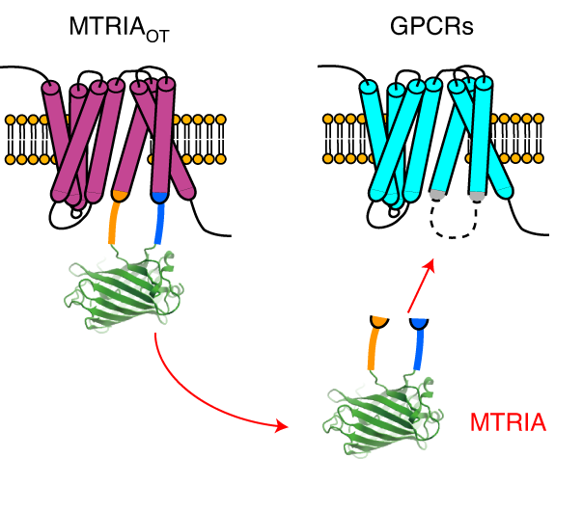
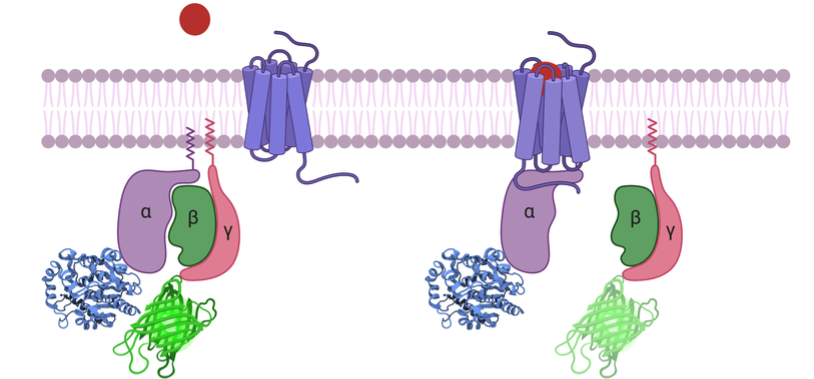
To respond to environmental conditions, cells must be able to detect extracellular stimuli. One way they do so is through G protein-coupled receptors (GPCRs), receptors that play many roles in signaling processes including smell, taste, sight, inflammation, and ...
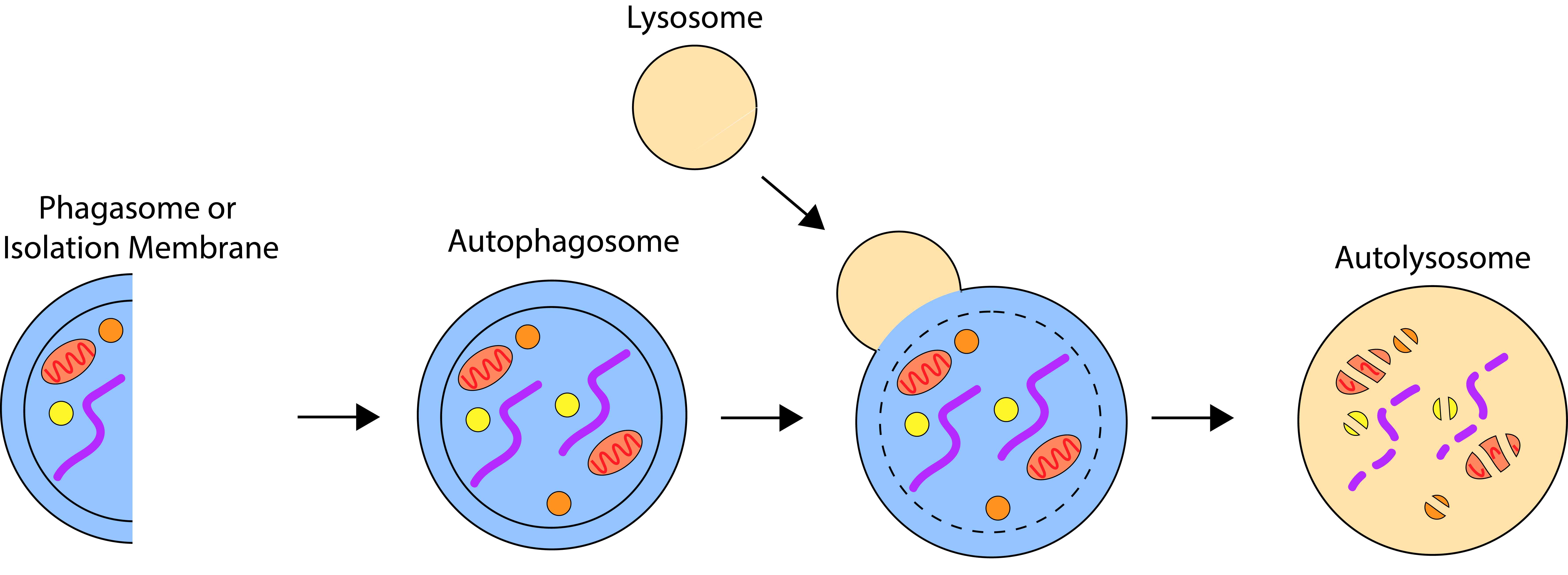
Autophagy (Greek for “self-eating”) is a process by which cytoplasmic material, including organelles, are targeted to lysosomes for degradation. Autophagy is a dynamic process which involves autophagosome synthesis, delivery of materials to be degraded to the lysosome, and ...
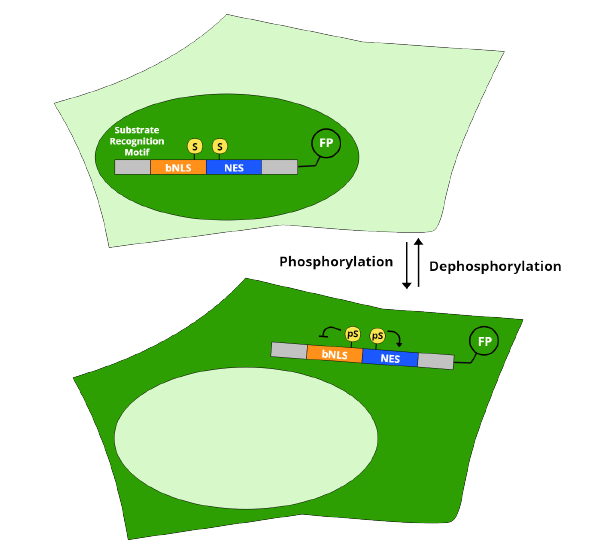
Kinases: they regulate many proteins, with ~1/3 of human proteins predicted to be phosphorylated on at least one site. Phosphorylation is particularly important for regulating signal transduction and measuring kinase activity at the single-cell level can aid in drawing ...
Addgenie Mary Gearing contributed to the content of this article. Biosensors (‘biological sensors’) are biological tools that monitor a process or detect a given molecule. The sensor component is usually a protein that undergoes a conformational change in response to the ...