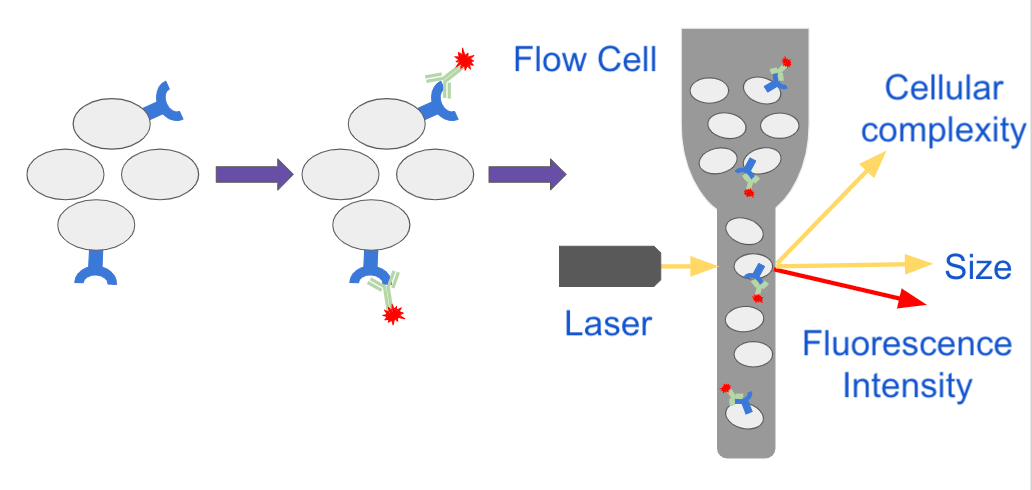
Have you ever wanted to measure expression of your protein of interest in a single cell? Or perhaps, you need to analyze a specific subset of cells in a complex population. Have you spent hours in the biosafety cabinet with cloning rings or following labor-intensive limiting ...
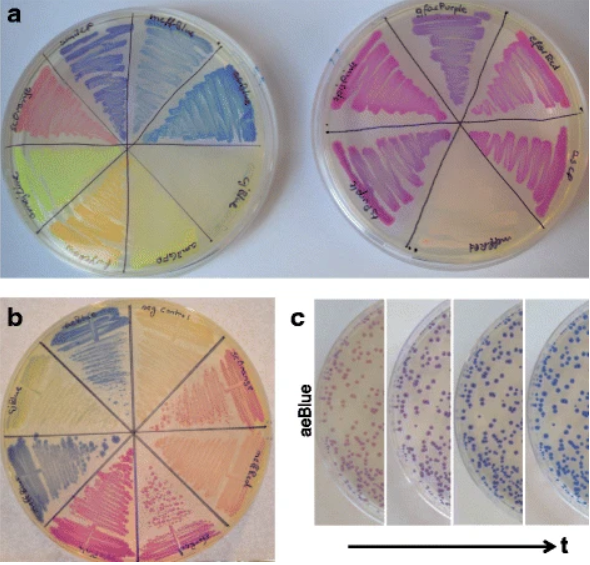
The ocean is full of striking visuals from fluorescent jellyfish, bioluminescent phytoplankton, and colorful corals, to name a few. What’s behind these sights are an abundance of biological molecules like chromoproteins, fluorescent proteins, and luminescent proteins. While ...
If you’re been following Addgene on #souptwitter or if you just enjoy a warm meal on a winter day, you should be happy to learn that many DNA-based reagents are named for soup ingredients! From pSOUP to mCherry, satisfying ingredients reagents permeate the molecular biologist’s ...
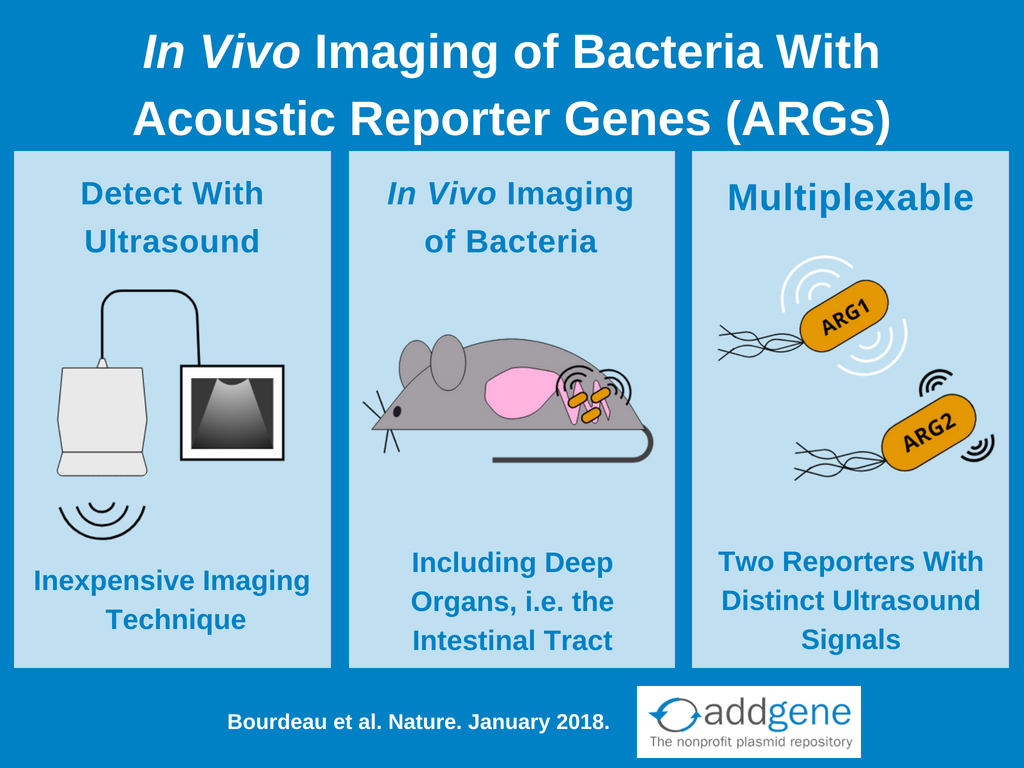
Knowing where bacteria are located within their host is often key to understanding their role in both health and disease. To observe bacteria in action, researchers have developed in vivo bacterial reporters that use fluorophores and luciferases to track bacteria in real time, ...
This post was contributed by guest blogger Talley Lambert, a Research Associate at Harvard Medical School. The need for a community fluorescent protein database As recognized by the 2008 Nobel Prize, fluorescent proteins (FPs) have become one of the most indispensable tools in ...
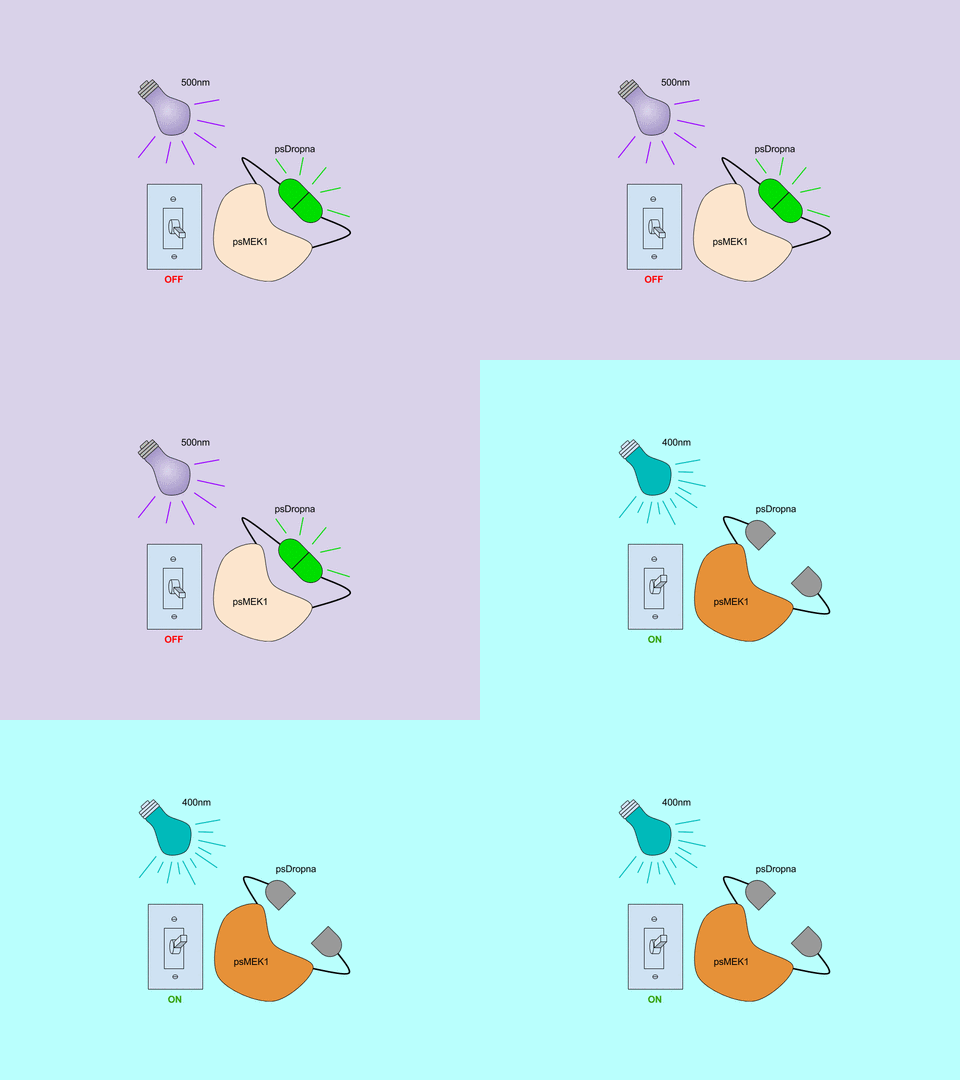
Signal transduction pathways are a lot like cell phone networks. Protein kinases deliver messages to the next members of their pathways, but where the kinases are located, their signal strength, and how long their signals last all impact transduction of the message. To study ...
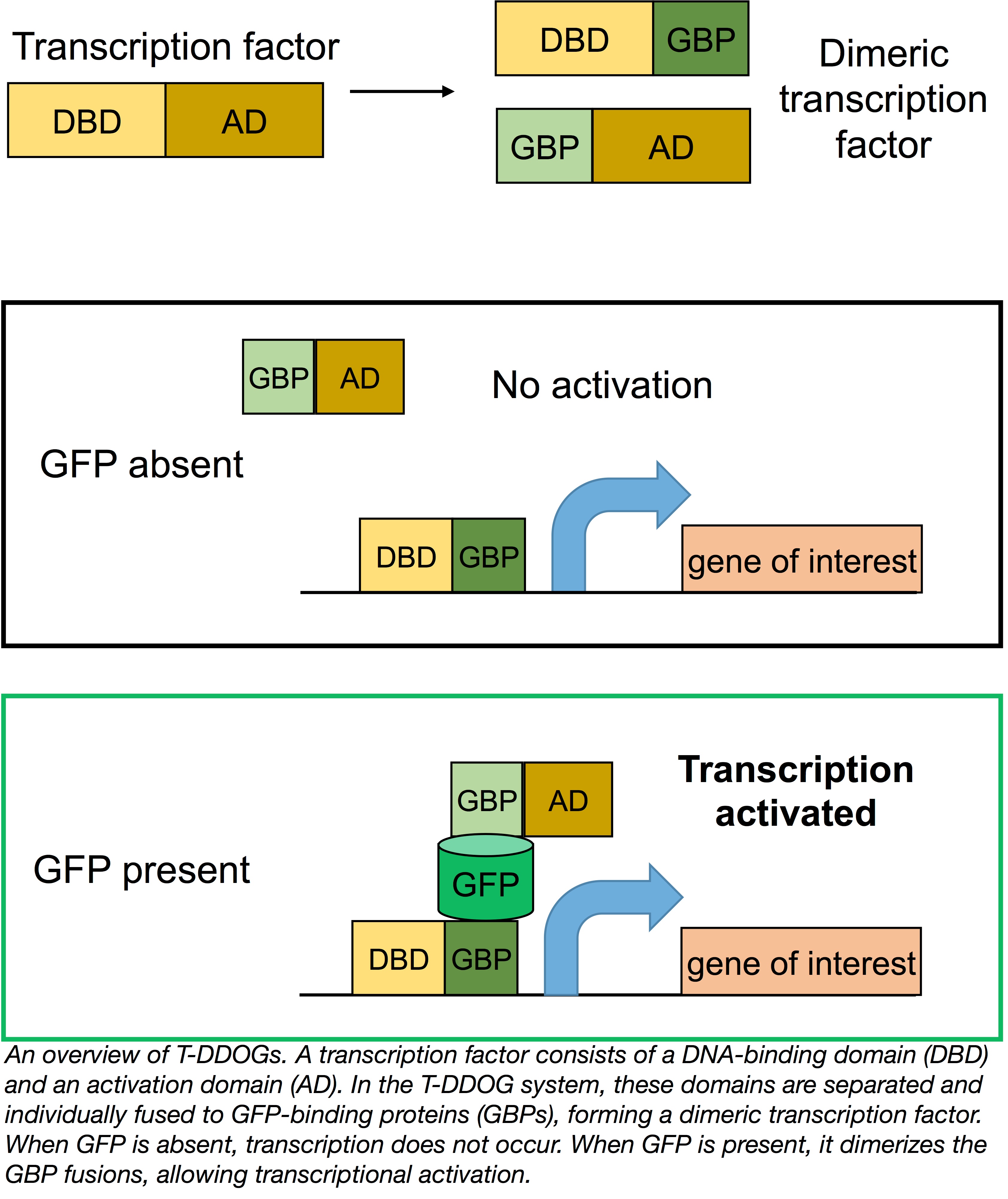
At Addgene, we love GFP, and we’re always excited when depositors find new ways to make this workhorse protein even more useful! From FPs optimized for oxidizing environments to photoconvertible variants, it seems like GFP is always learning new things. Now, work from Connie ...
CRISPR-Cas9 genome editing may be the hot new way to manipulate gene expression, but other gene manipulation systems remain valuable to biology. Cre-lox recombination, discovered in the 1980s, is one of the most important ways to spatially and temporally control gene expression, ...