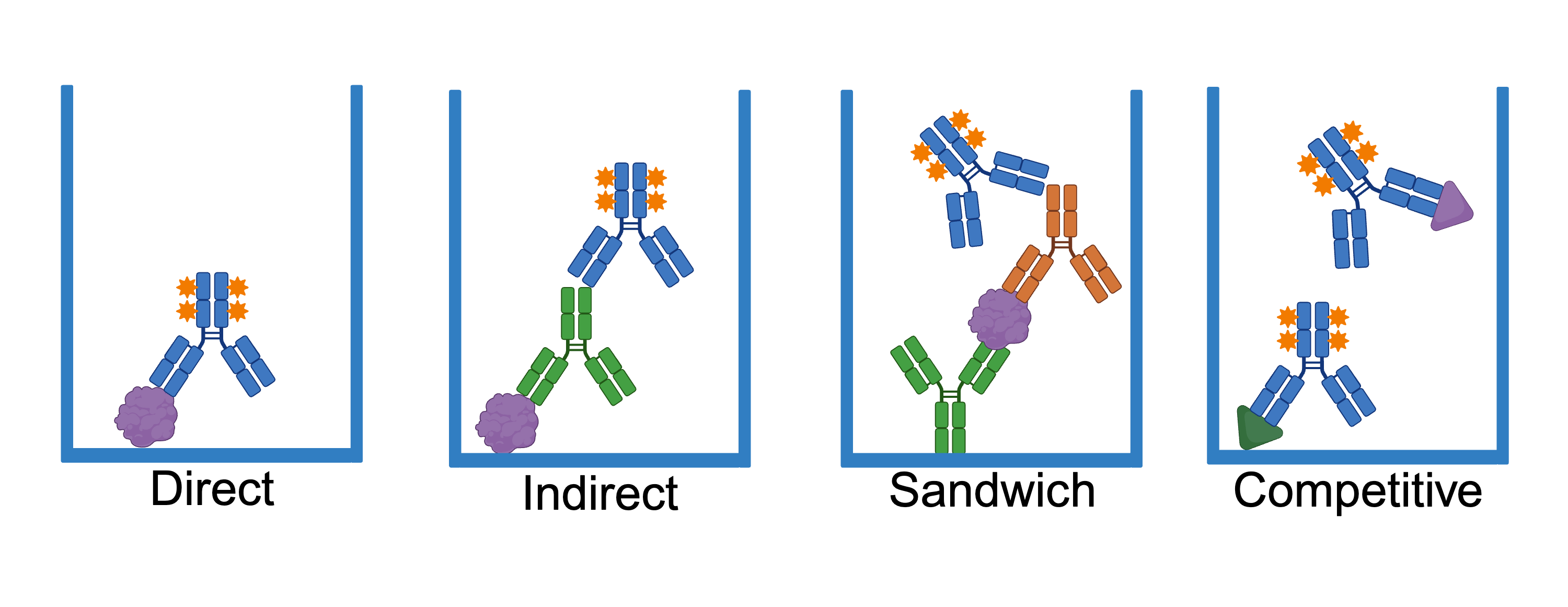
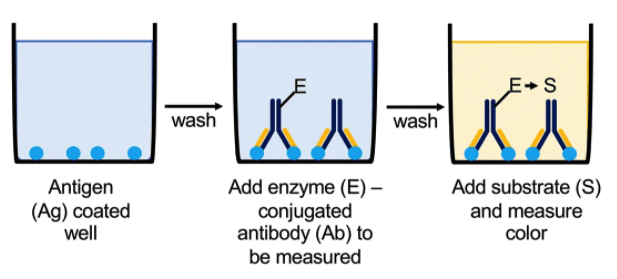
An enzyme-linked immunosorbent assay (ELISA) is a versatile method used to quantify the level of target antigen in a sample. While Engvall et al. originally developed the ELISA assay to measure antibody levels, scientists have since adapted it for a host of different proteins ...
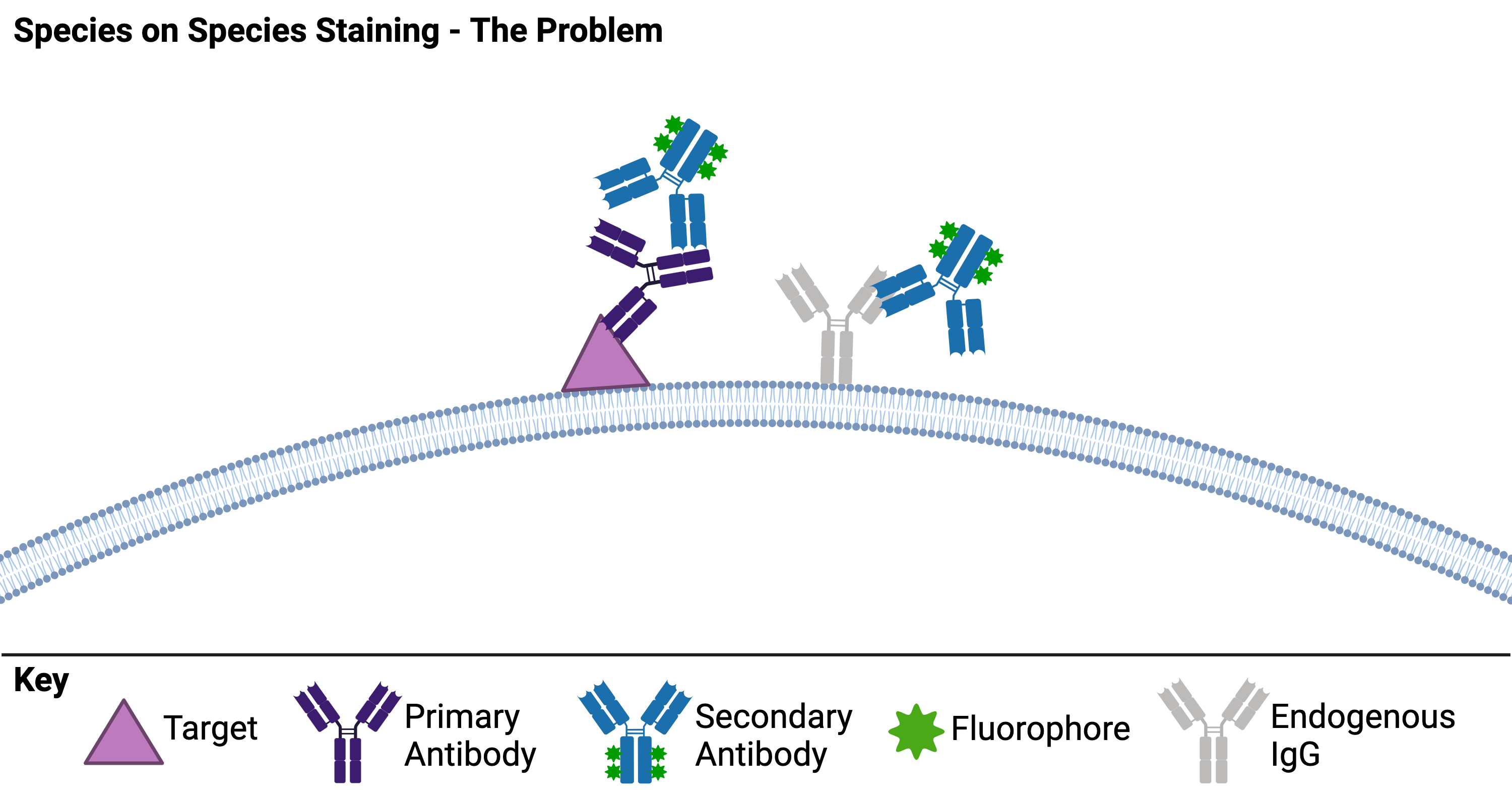
Fighting with antibodies to produce immunohistochemistry images that are crisp, bright, and lacking in non-specific staining can be a challenge in the best of cases. But it can be particularly challenging when your only antibody option is from the same species as your tissue ...
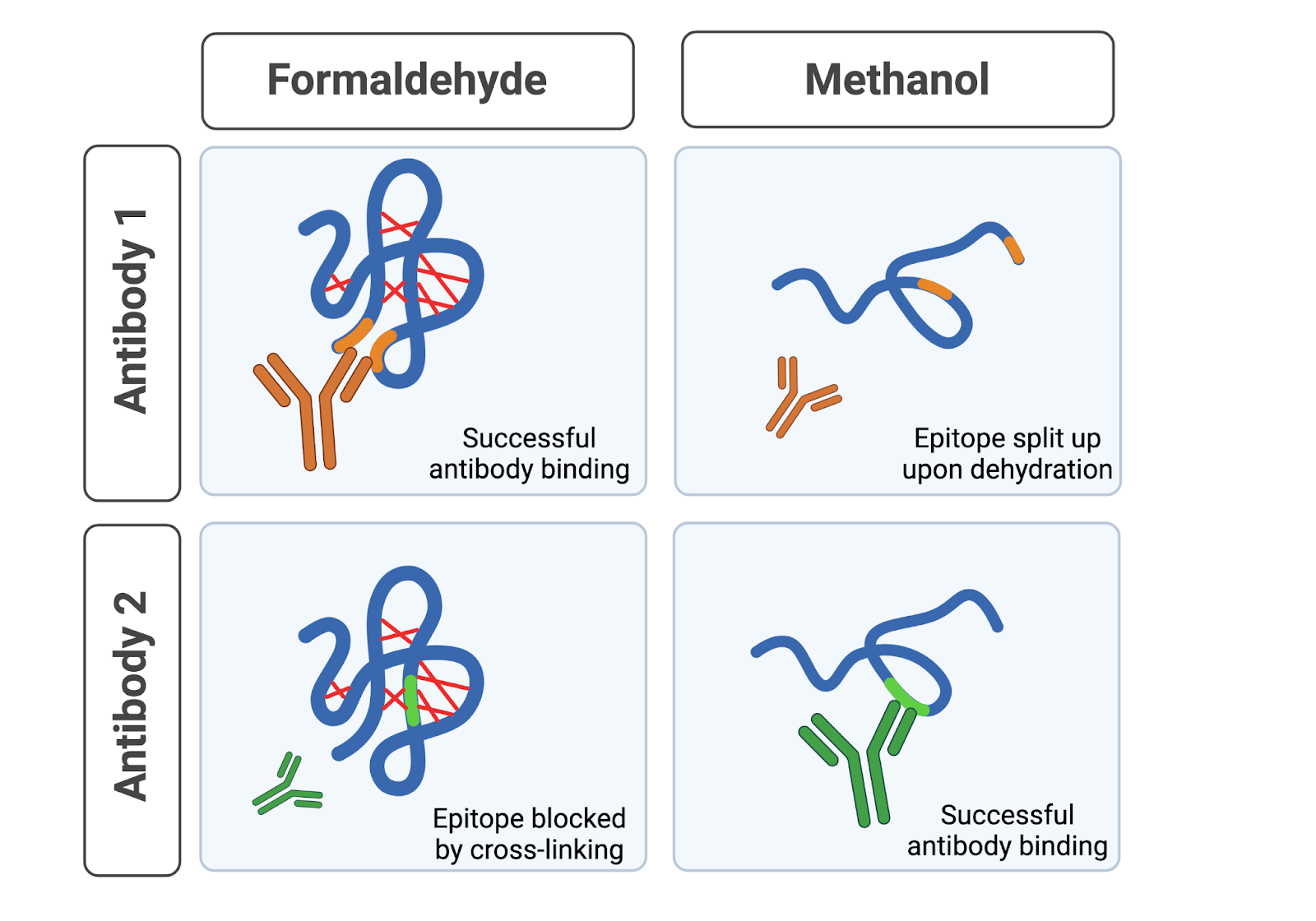
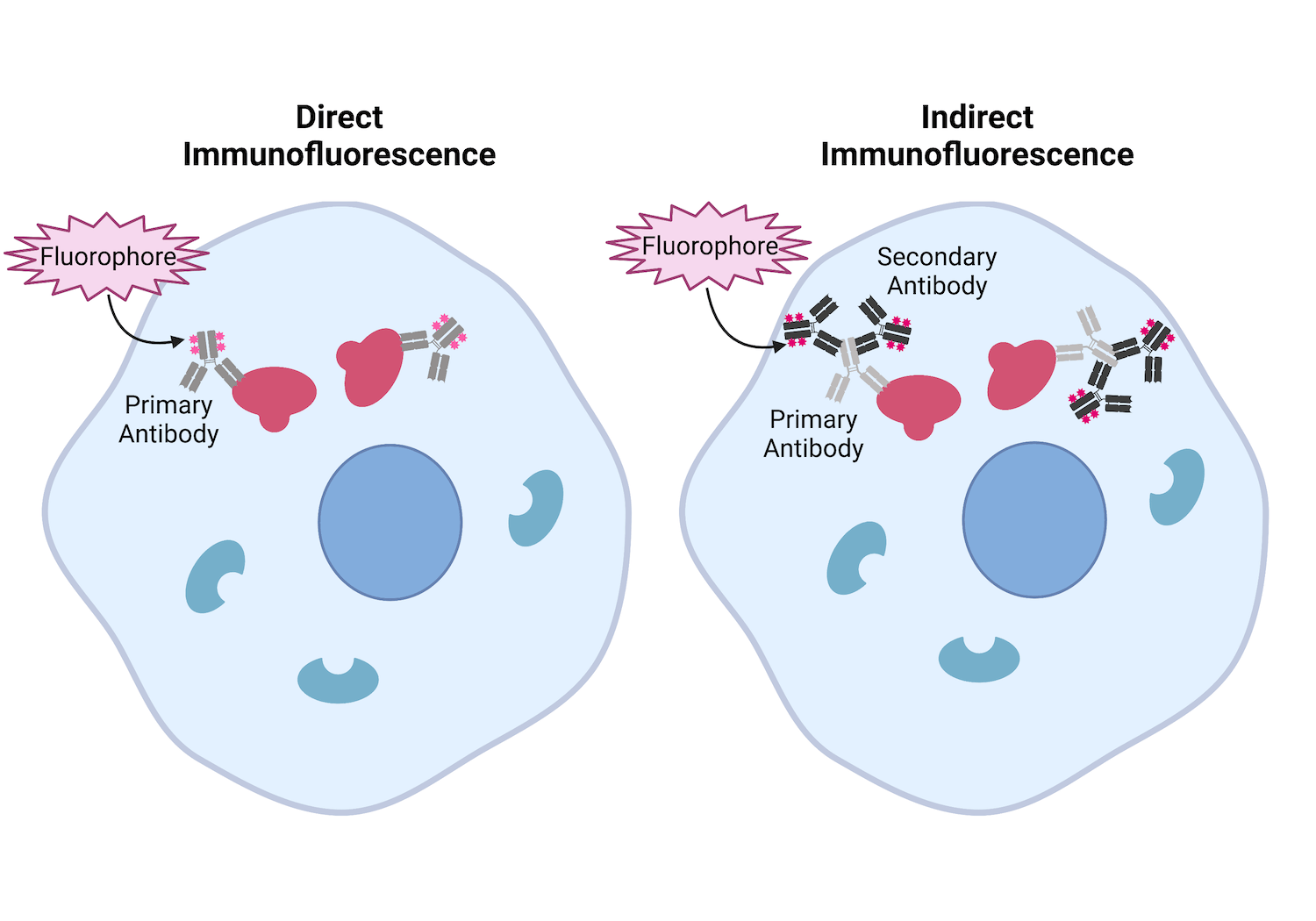
You may be familiar with immunofluorescence (IF, often referred to as immunocytochemistry (ICC) when the sample is cultured cells or immunohistochemistry (IHC) with tissues), where an antibody binds a target protein in your sample, then a fluorescently labeled secondary antibody ...
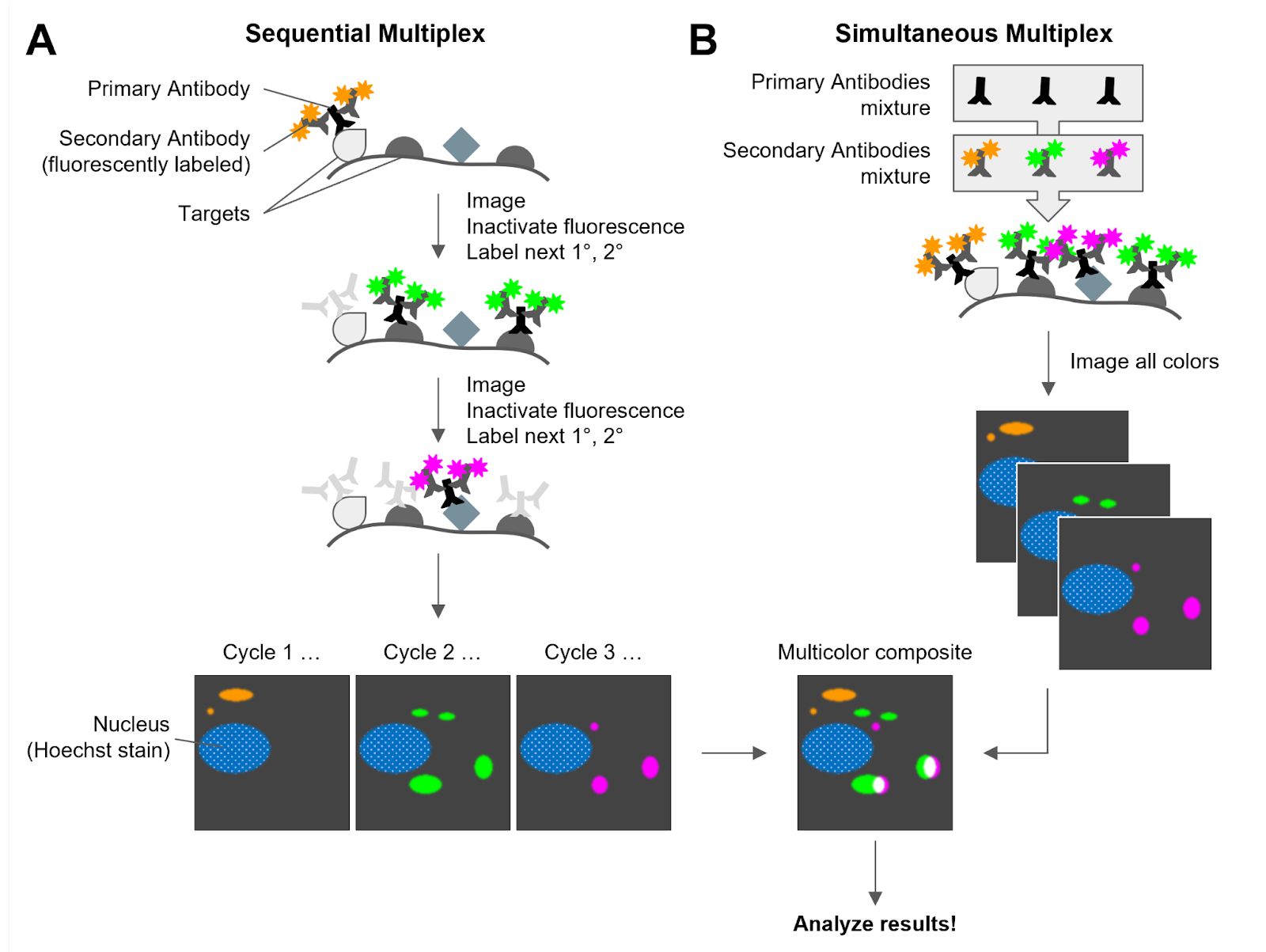
A few months ago, we shared an introduction to immunofluorescence (IF) - a common method for visualizing molecules of interest within a cell or tissue. In that introduction, we broke down the method into six general steps and outlined the considerations to be made during each ...
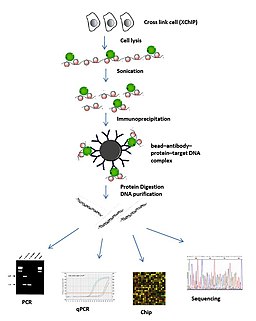
Chromatin immunoprecipitation (ChIP) is an extremely useful technique that provides insight into protein:DNA interactions. ChIP works by using antibodies to capture protein:DNA complexes with antibodies specific to your protein(s) of interest. Once the complex is captured, it is ...
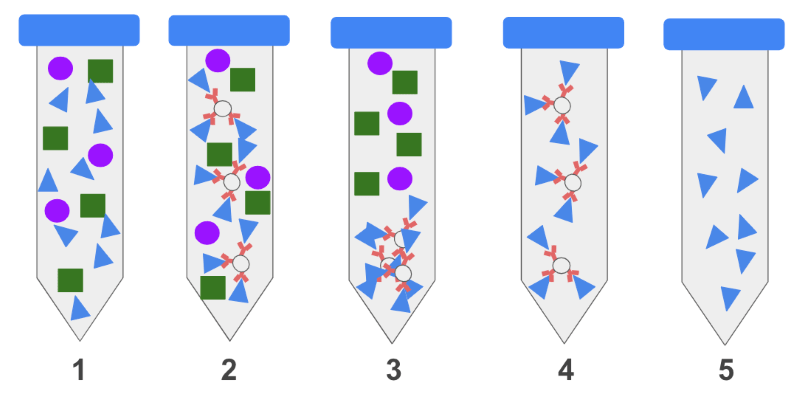
Immunoprecipitation (IP) uses immobilized antibodies, or immunoglobulins, to isolate a specific protein out of a complex mix. Using this technique, users can look for the presence or absence of a protein, determine if a protein is up or downregulated, examine a protein’s ...
Immunofluorescence (IF), is an immunoassay that brings to light the cellular world. The technique allows you to ask questions like: “Where does my protein of interest live within a cell,” “Does this disease change the architecture of my cells,” or “How does this mutation impact ...
Antibodies are used in many different experiments that require scientists to detect proteins in their samples. One technique that relies heavily on antibodies is ELISA, which stands for Enzyme-linked Immunosorbent Assay. ELISA are used to detect proteins within a 96- or ...