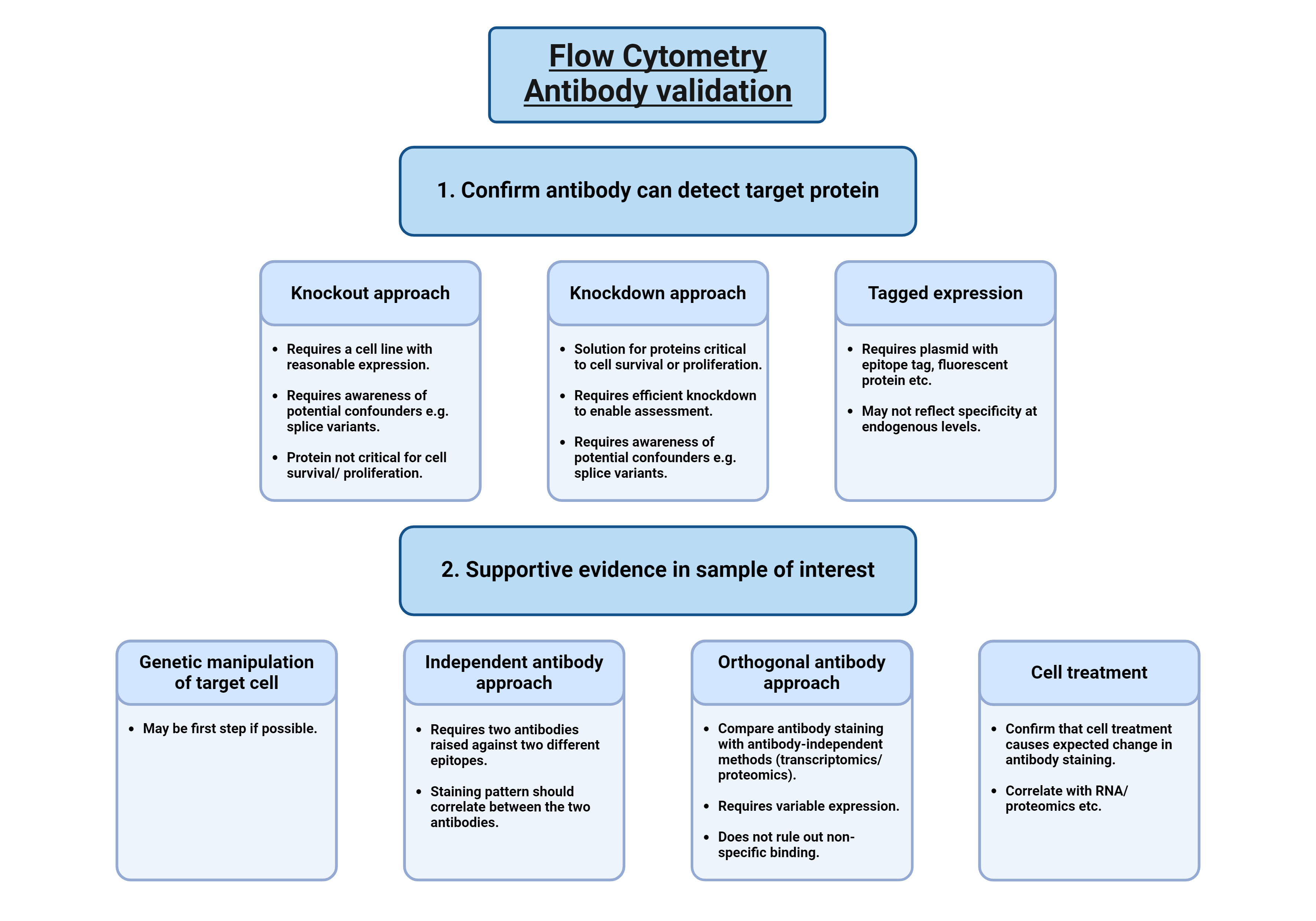
Antibody validation is to confirm (or refute) that the antibody is selectively detecting the target-of-interest in your assay and sample-of-interest. The approaches available broadly map onto the five pillars of antibody validation (see: Uhlen et al., 2016). In this post, we ...
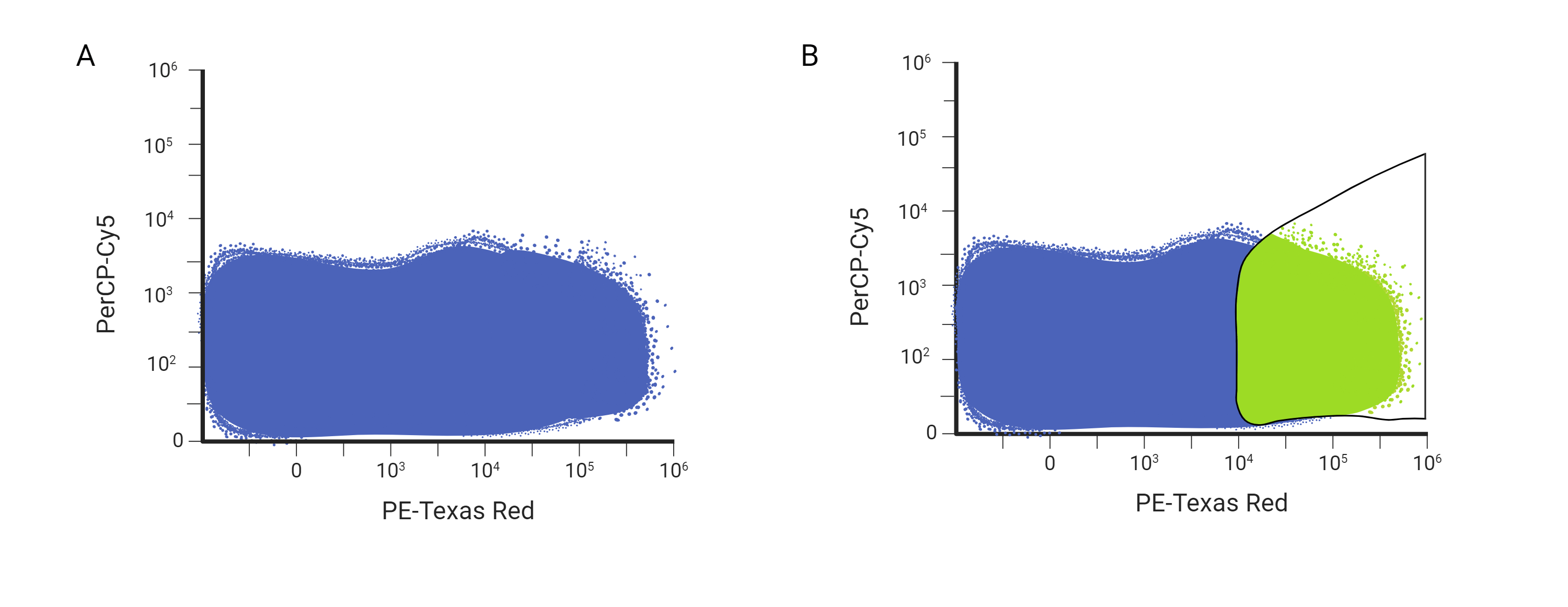
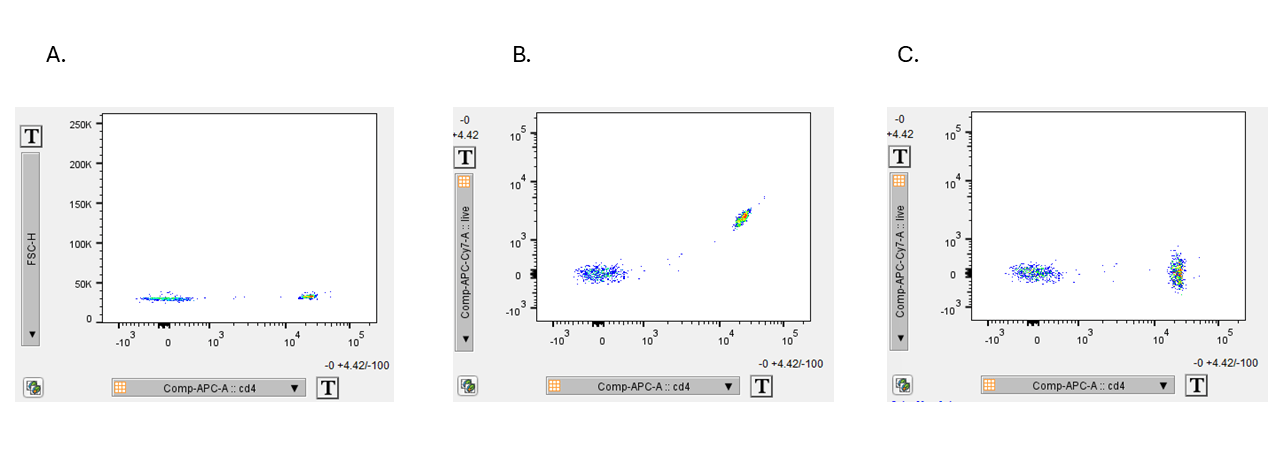
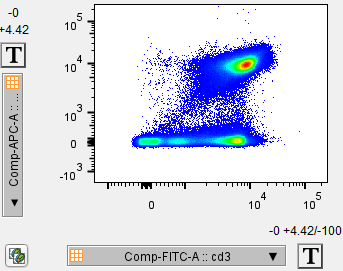
Now that you know how to read flow plots and have designed your first flow panel, you’ll load your samples into the cytometer and see one of two results for your antibody of interest: two clear populations or a huge smear across your FSH vs reporter plot. In this post, I’ll walk ...
When you are running flow cytometry, you’ll need various controls to help you set up and analyze your samples. While you are probably familiar with the basics of controls in experimental design, you’ll need a few controls specific to flow as an application. These controls will ...
When analyzing your cells using flow cytometry, you are typically measuring the presence or absence of certain markers on the surface or the inside of your cells. While proteins themselves can emit intrinsic fluorescence when excited with ultraviolet (UV) light, they do so via ...
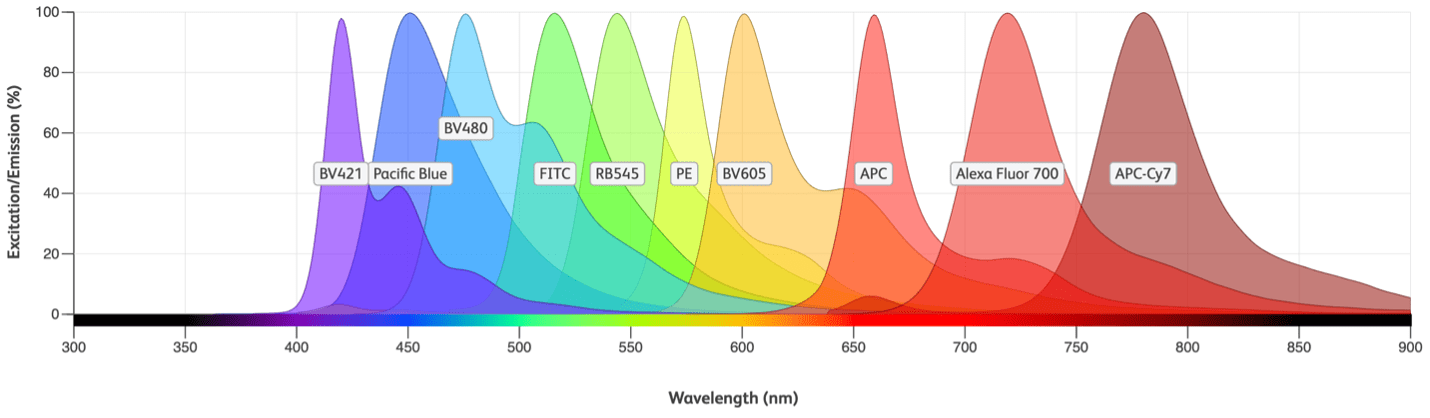
In flow cytometry, compensation is the process of correcting spillover from one fluorescent channel to another. When you label your samples with multiple antibodies, the fluorescent probes on the antibodies may have similar emission spectra, meaning they will emit fluorescent ...
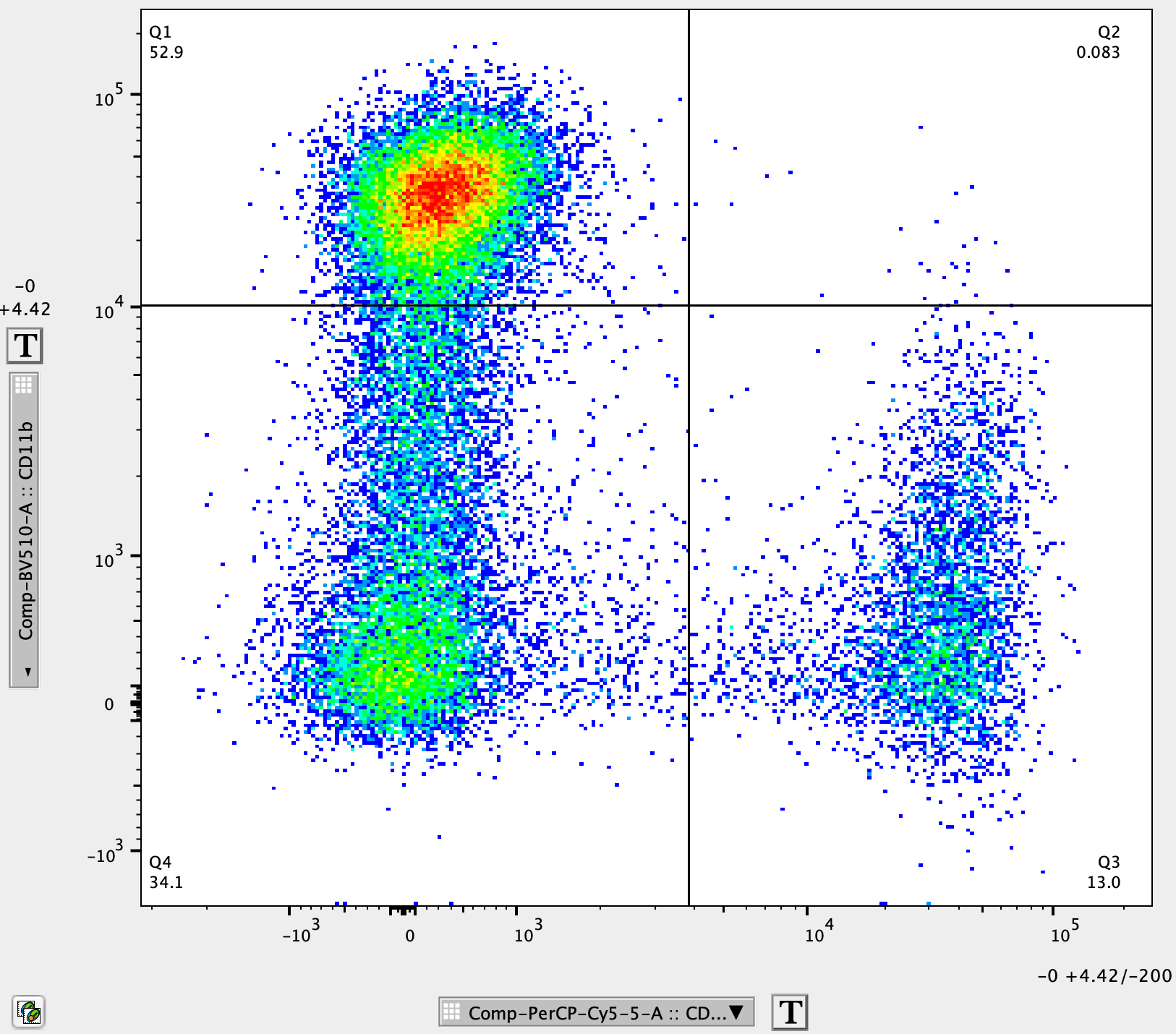
When using flow cytometry to analyze your samples, it is necessary to set up a sequence of gates to be able to select and precisely measure your cells of interest. In many experiments you’ll be working with a heterogeneous cell population, for example from a processed piece of ...
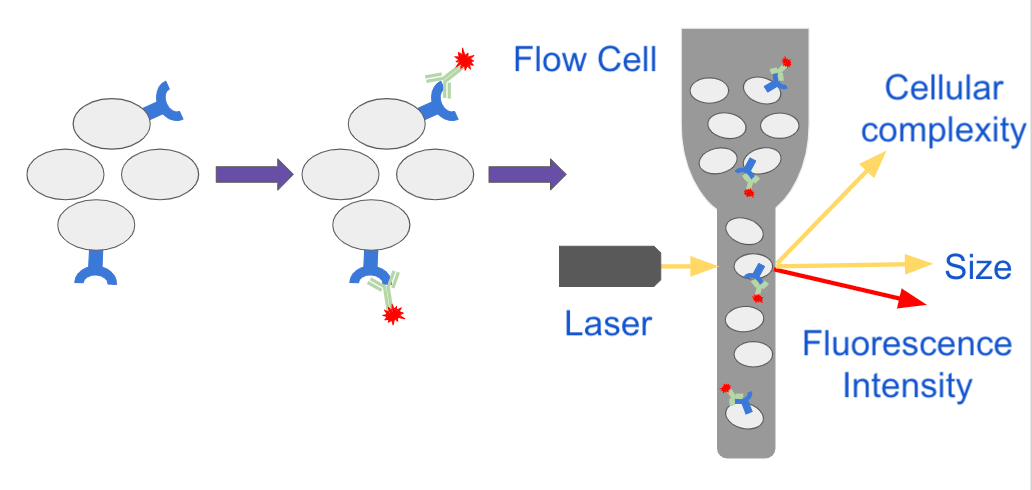
Have you ever wanted to measure expression of your protein of interest in a single cell? Or perhaps, you need to analyze a specific subset of cells in a complex population. Have you spent hours in the biosafety cabinet with cloning rings or following labor-intensive limiting ...