This post was contributed by guest bloggers Joachim Goedhart and Marieke Mastop from the Section of Molecular Cytology and Van Leeuwenhoek Centre for Advanced Microscopy, University of Amsterdam. Before you decide which car you want to buy, it is worthwhile to test-drive a ...
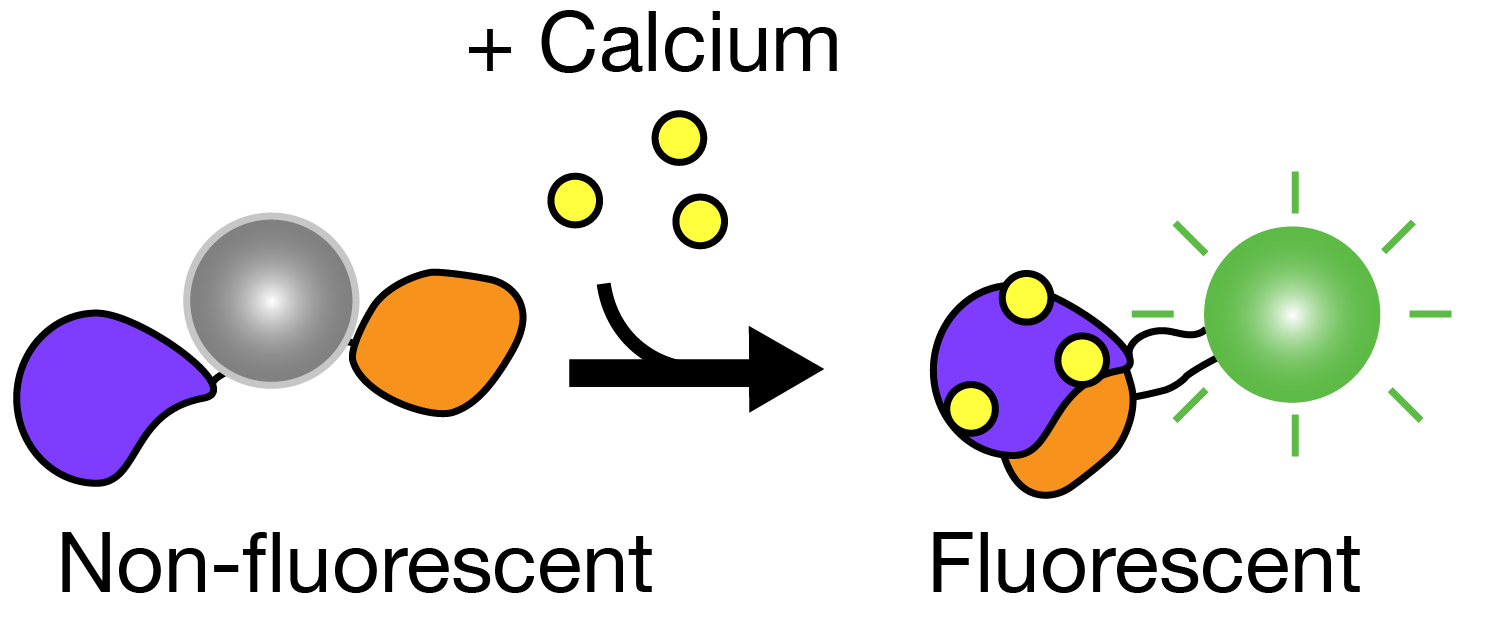
Addgenie Mary Gearing contributed to the content of this article. Biosensors (‘biological sensors’) are biological tools that monitor a process or detect a given molecule. The sensor component is usually a protein that undergoes a conformational change in response to the ...
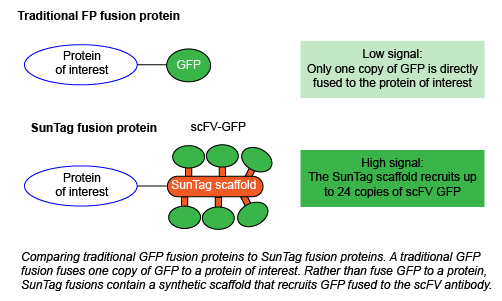
In biology as in life, more is often better. More transcription factor binding sites in a promoter lead to higher transcriptional activation. Multiple nuclear localization signals (NLS) increase protein import into the nucleus. In developing their SunTag technology, the Vale and ...
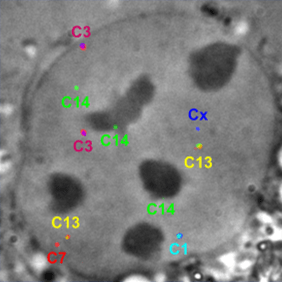
Colorful CRISPR technologies are helping researchers visualize the genome and its organization within the nucleus, also called the 4D nucleome. Visualizing specific loci has historically been difficult, as techniques like fluorescent in situ hybridization (FISH) and chromosome ...
High-throughput cloning, in a nutshell, is the systematic combination of different genetic sequences into plasmid DNA. In high throughput cloning techniques, although the specific sequences of the genetic elements may differ (e.g., a set of various mammalian promoters), the same ...
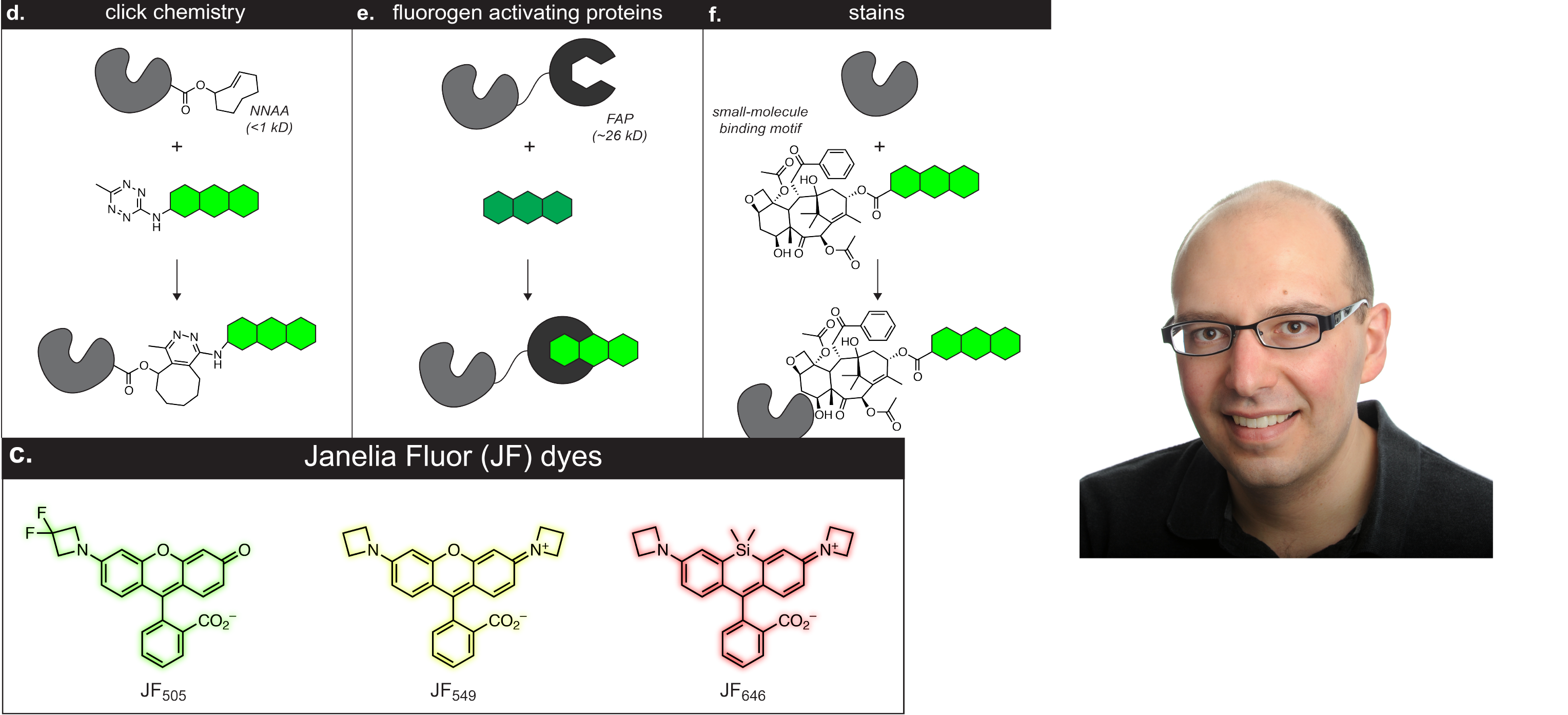
This post was contributed by guest blogger, Luke Lavis, a Group Leader at the Janelia Research Campus, Howard Hughes Medical Institute. Chemistry is dead, long live chemistry! The discovery of green fluorescent protein (GFP) sparked a renaissance in biological imaging. Suddenly, ...
This post was contributed by guest blogger James D. Fessenden, an Assistant Professor at Brigham and Women’s Hospital. Biochemists often struggle to understand how a protein of interest actually behaves. How large is it? What parts of it move when you feed it substrate or add an ...
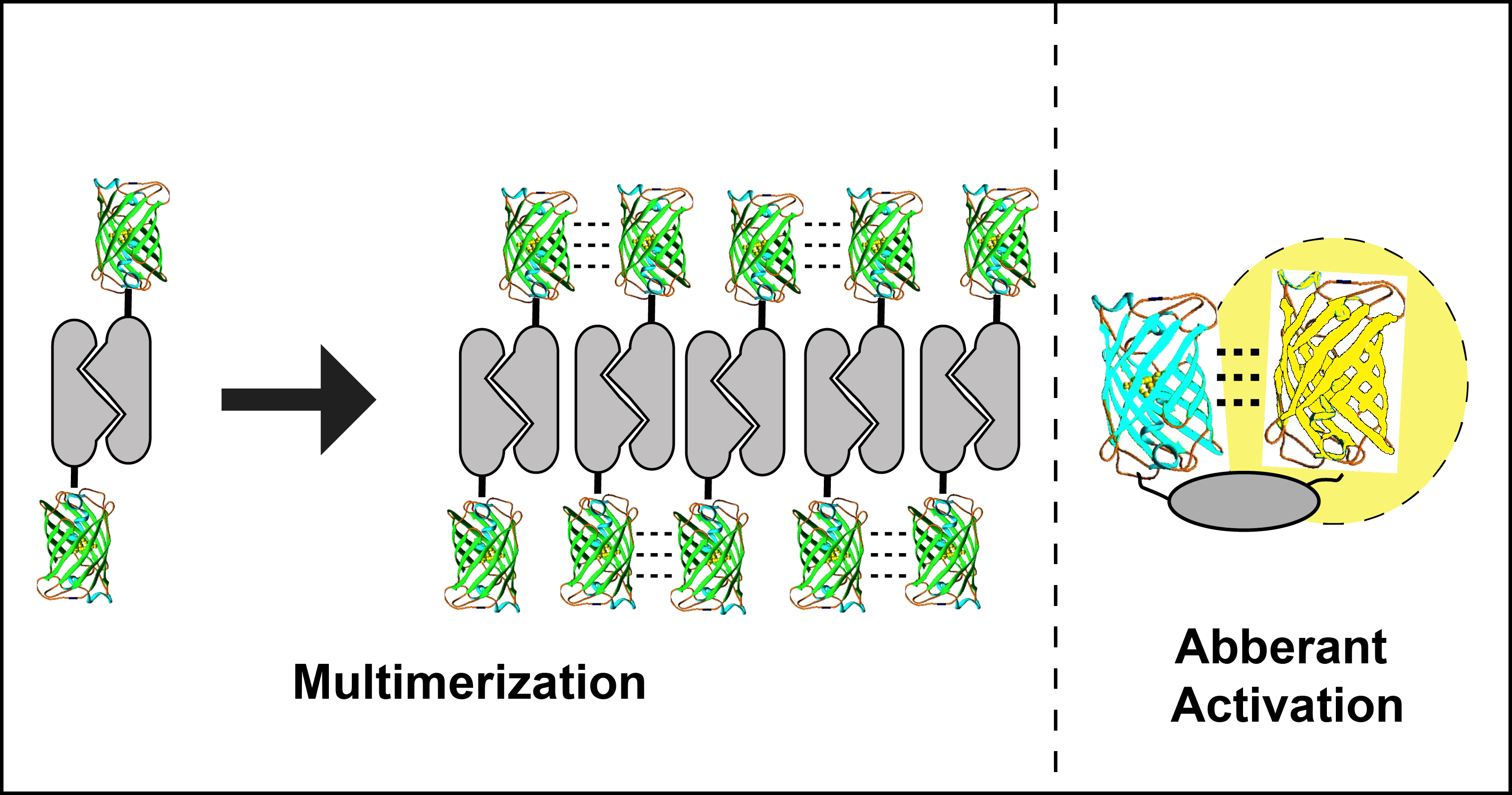
This post was contributed by guest blogger Erik L. Snapp. Stop using EGFP/GFP for fusion proteins! Despite multiple studies in high profile journal articles, many researchers remain unaware that EGFP/GFP is prone to forming noncovalent dimers. This property of EGFP can lead to ...