This post was contributed by guest bloggers Erik L. Snapp and Lindsey M. Costantini. "You underestimate the power of the Dark Side." --Darth Vader in "Return of the Jedi" While Vader was referring to the evil side of a mystical "Force," this quote is equally applicable to many ...
This post was contributed by guest blogger Derek Simon.
This article is based on an interview with Novartis researcher, Carrie Bhang. The ClonTracer Library, deposited by Carrie Bhang, a research investigator in the In Vivo Pharmacology group at Novartis Oncology, is an exciting new tool that allows researchers to individually label ...
This post was contributed by guest blogger Derek Simon. The surgeries and standard molecular neuroscience validation experiments we discussed last week are only half of the battle when using optogentics to answer a research question. The flip side of the optogenetics coin is ...
This post was contributed by guest blogger Derek Simon. Optogenetics is spreading through the neuroscience community like wildfire and for good reason. For the first time in the history of neuroscience research we have a technology that allows us to show causality in neural ...
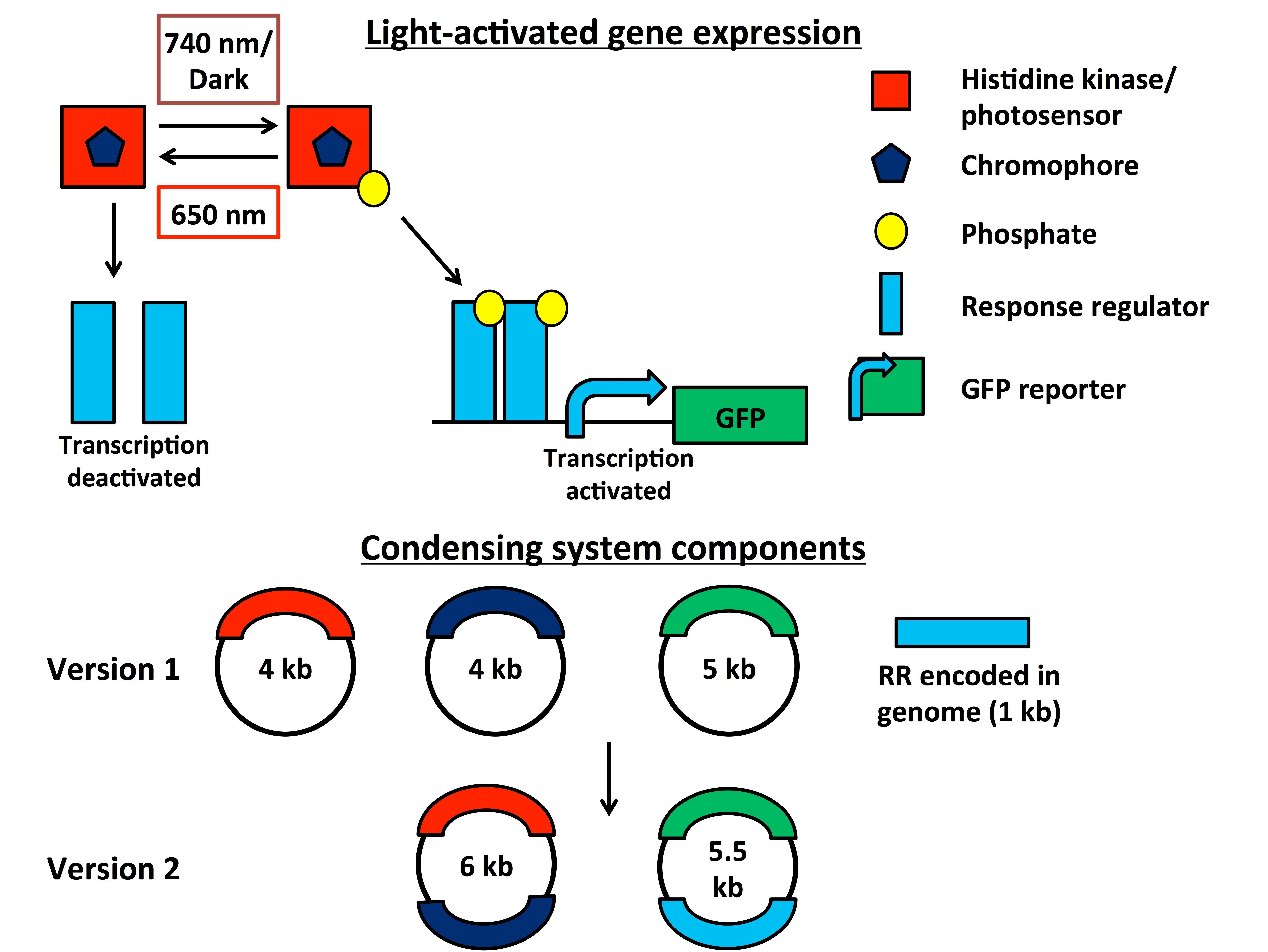
As optogenetics turns 10 years old, it’s easy to forget that this technique isn’t limited to neuroscience. In fact, precise light-based control of biological processes is highly useful in other fields, including synthetic biology. Addgene depositors Christopher Voigt and Jeffrey ...
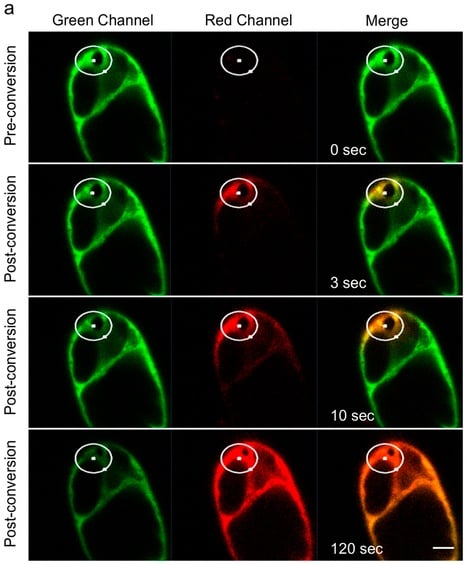
Since the first research applications of GFP were published in the 1990s, biologists have spent a lot of time making things glow. Chances are you’ve used a GFP derivative to conduct subcellular localization studies or make a reporter construct. Fluorescent proteins (FPs) are ...
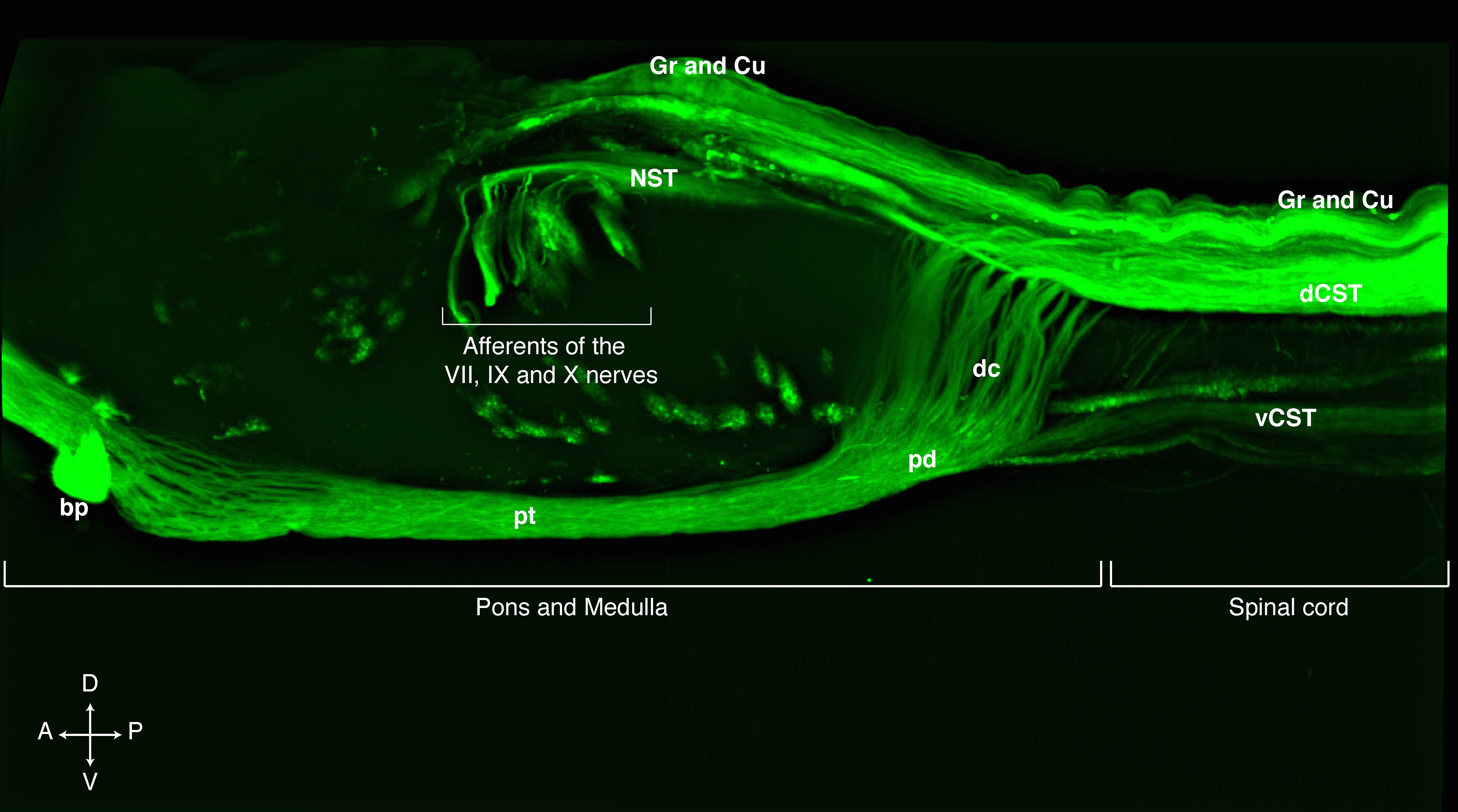
This post was contributed by Jae Lee and Pantelis Tsoulfas of the Department of Neurological Surgery at the University of Miami. The beginning of this century has seen some major advances in light microscopy, particularly related to the neurosciences. These developments in ...