This post was contributed by guest blogger, Robert Orr, who recently received a Ph.D. in Biology and Biotechnology from Worcester Polytechnic Institute. What is RNAi? The loss-of-function (LOF) experiment functions as the building block of our understanding of complex biological ...
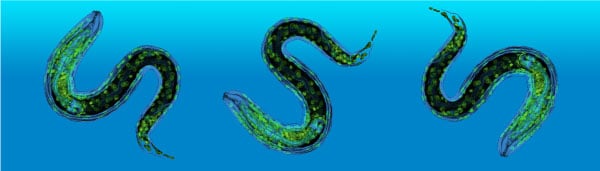
By Justin Ng and Alyssa Cecchetelli Science is a constantly evolving and demanding field, requiring a variety of biological and molecular tools. One such tool is the model organism, an essential aspect of biological research that has defined our understanding of biological ...
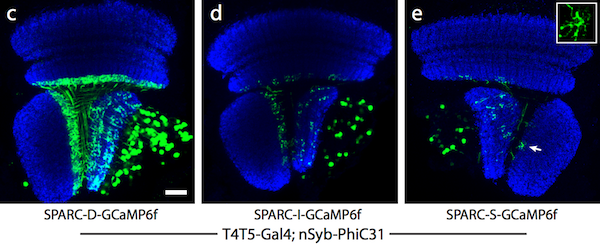
Until recently, there were no completely genetic tools that would allow researchers to label just a fraction of a single genetically-defined subset of cells. By labeling fewer cells in a population, it’s easier to visualize individual/non-overlapping cells. While transgenic ...
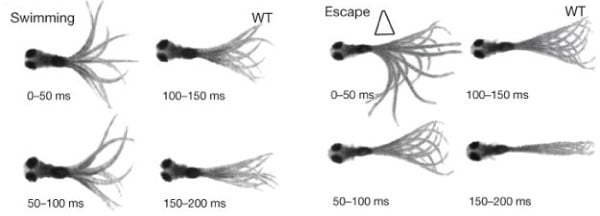
This post was contributed by Katherine Rogers, a postdoctoral researcher at the Friedrich Miescher Lab of the Max Planck Society. Zebrafish (Danio rerio) have been used since the 1930’s in a range of biological studies, including investigations into environmental pollutants and ...
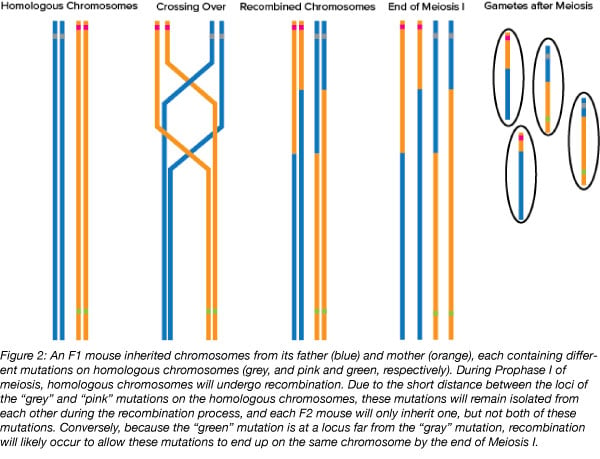
In Part 1 of our mouse modeling blog series, we covered techniques that can be used to introduce genetic modifications into mouse embryos. But once you generate a growing colony of genetically engineered mice, what can you do? In this post, we’ll cover why and how to cross mice ...
This post was contributed by Samuel Mortensen, a PhD candidate at Northeastern University. Working with plants doesn’t always have to be a time-consuming process. While developing transgenic hairy root lines in tissue cultures takes half a year, and generating a transgenic plant ...
The C. elegans community has always emphasized the need for open science and collaboration. The field already has comprehensive reference pages and curated databases for scientists including Wormbook, Wormatlas and Wormbase. And scientists have been continuously sharing their ...
Optogenetics, the use of light sensitive proteins (opsins) to manipulate cell activity, enables researchers to silence or incite neuronal firing and study subsequent effects on behavior. The system is an especially powerful tool for in vivo behavioral studies because it is ...