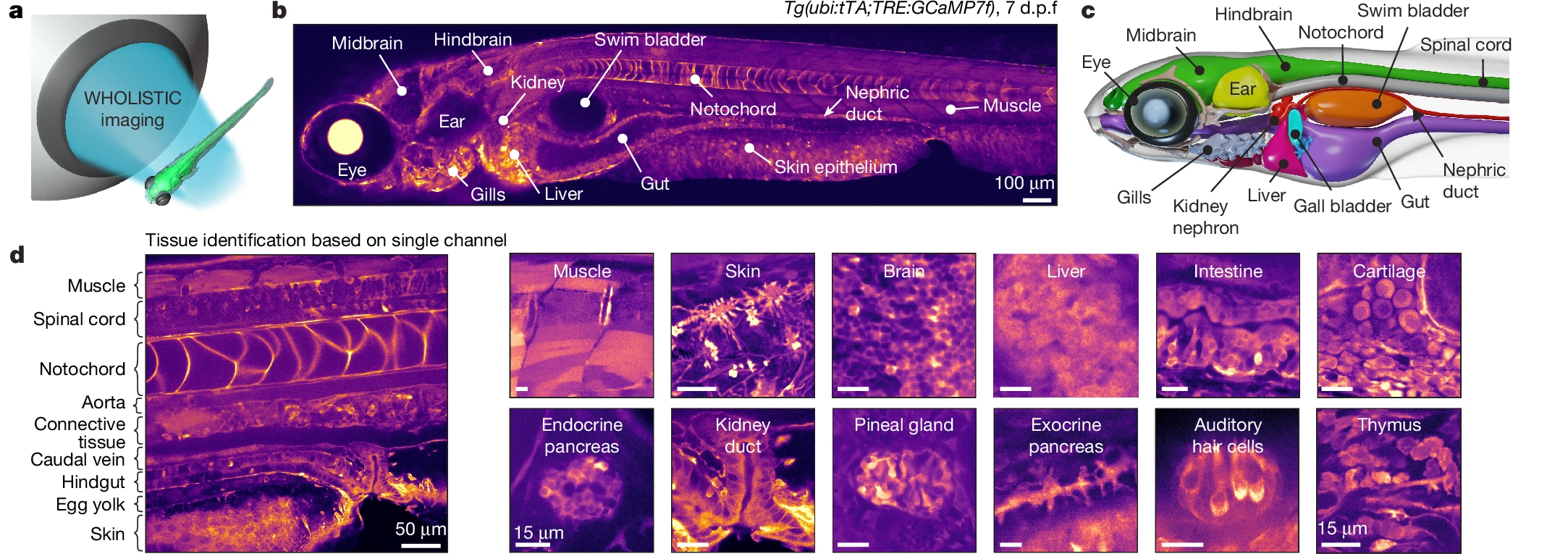
Taxonomy tells us that technically, we are all fish — which is one of the reasons zebrafish are such useful model organisms. Their conveniently transparent embryos and fast maturation time have taught us about vertebrate development, neuroscience, drug development, and more.
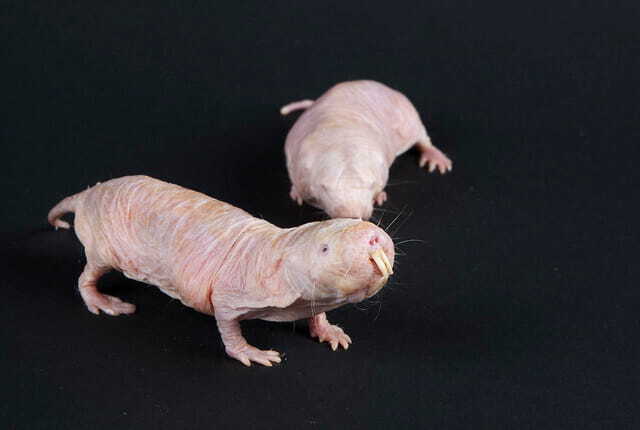
Modeling is not just a job for humans — it is also a job for many different organisms. And like human modeling, biological modeling turns out to be surprisingly glamorous and diverse. But what comes to mind when you picture a “model organism”? A mouse? A pesky fruit fly? ...
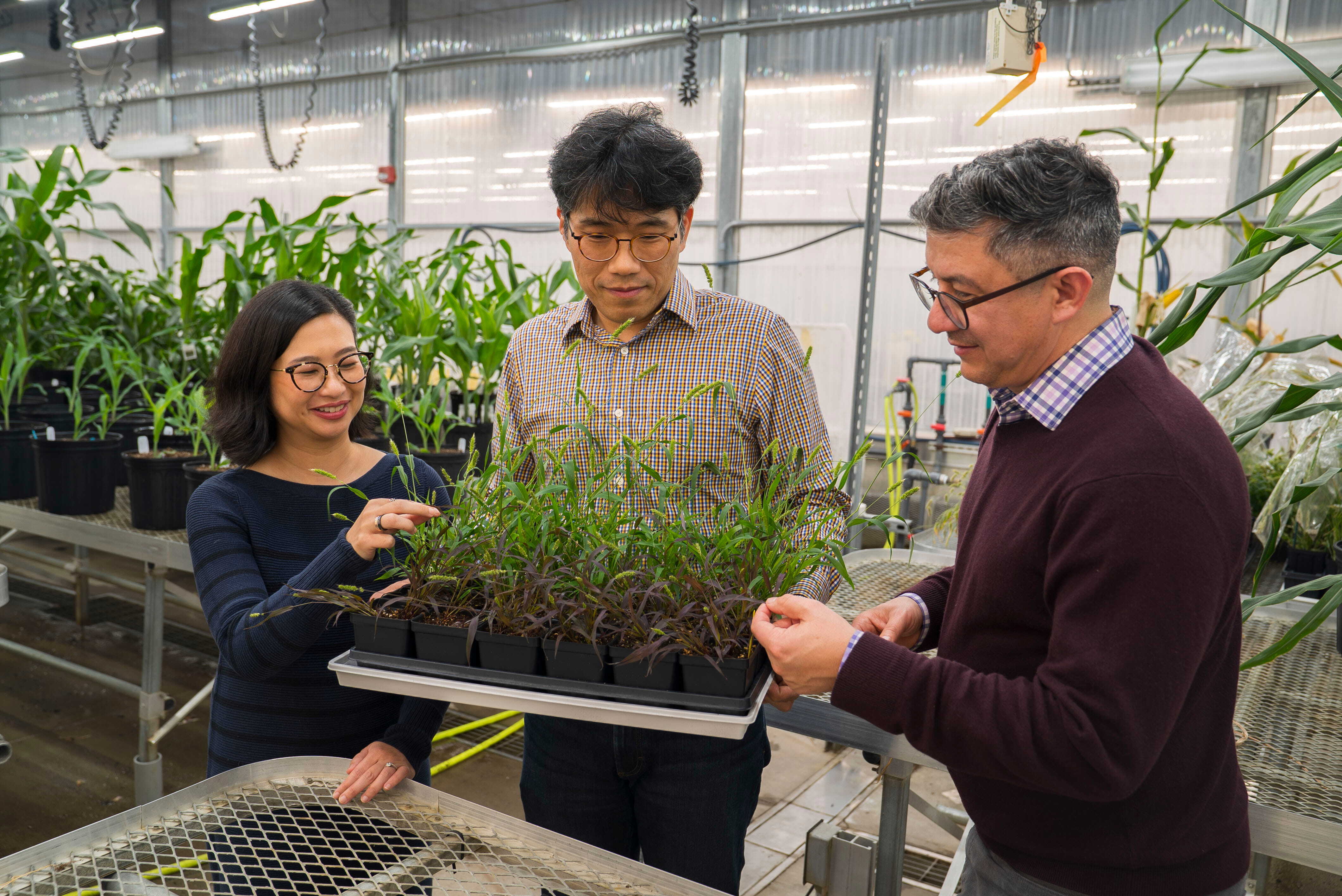
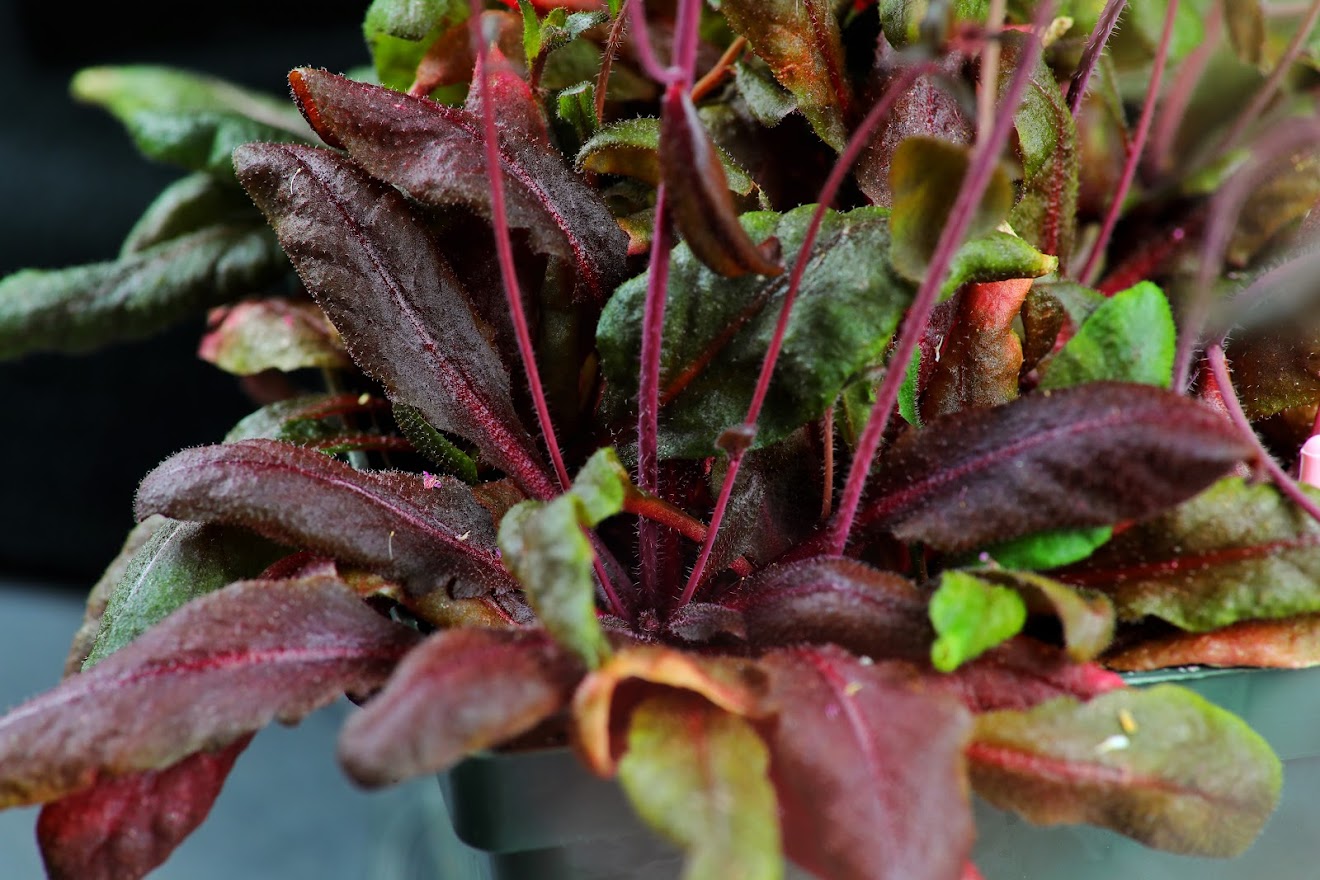
Do you have a green thumb — or, perhaps, are you one of those people who kills every plant they touch? The whole trouble with houseplants is they can’t bark, meow, or cry when they need something. But what if we could equip plants with a way to warn us about concerning growing ...
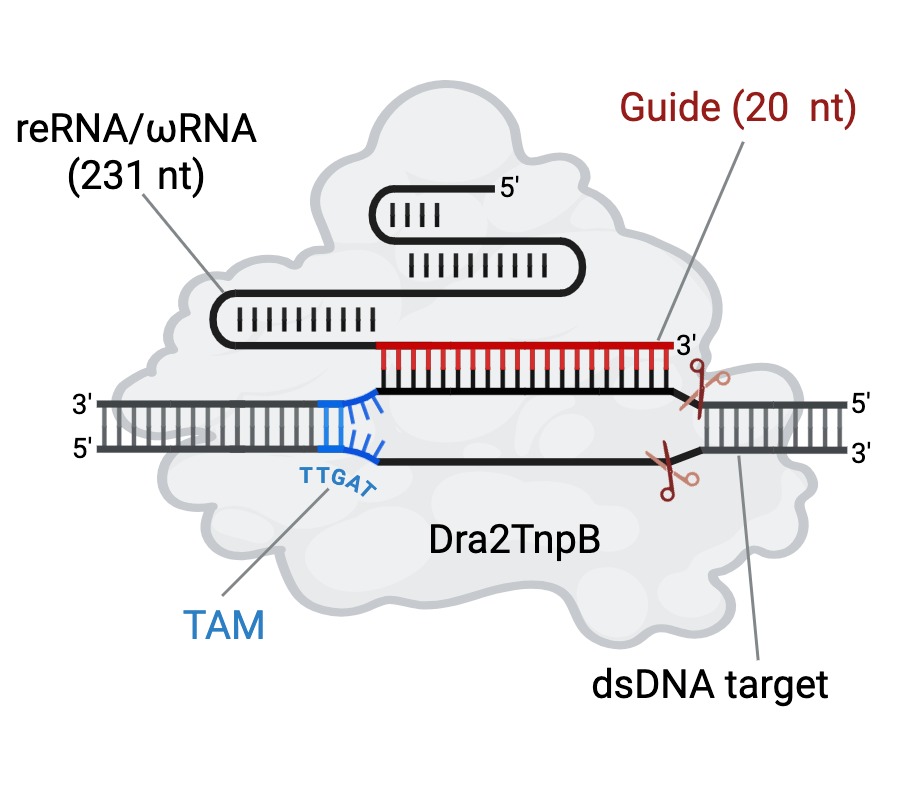
This blog post was written by Dr. Kutubuddin Molla, investigator at ICAR-Central National Rice Research Institute. When it comes to genome editing, CRISPR is a name that resonates with nearly every biologist, academic, and researcher. Among the most well-known CRISPR-associated ...
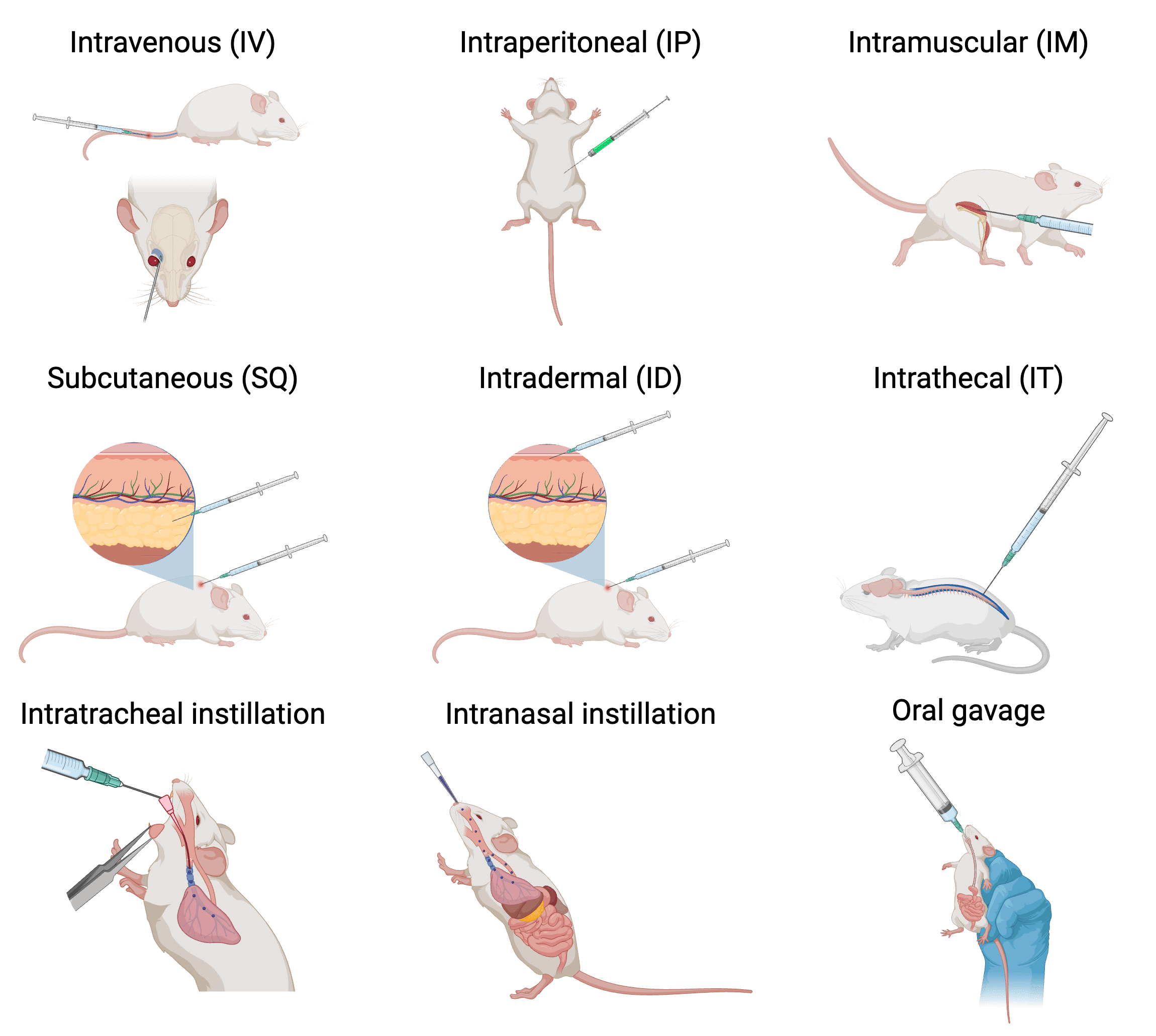
Injections in mice are a day-to-day task for many labs. Deciding which type of injection to use depends on a number of factors. You have to weigh the pros and cons of various methods and choose what is best for you — and the mice. While not an exhaustive list, these can include ...
We all know that yeast is a powerful eukaryotic model organism – its genome is easy to manipulate, it’s affordable, and it grows fast to boot. The yeast strains S. cerevisiae and S. pombe have dominated the research scene. But what about the other yeasts – in the biomedical ...
Selectable transgene markers for plant transformation fall into two main categories: antibiotic/herbicide resistance and fluorescent proteins. Selection using resistance genes usually involves killing the untransformed seedlings or callus (undifferentiated plant cell culture), ...
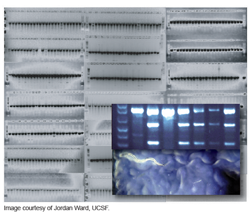
Originally published Jan 27, 2015 and last updated Dec 17, 2020. This post was contributed by Jordan Ward who is an assistant professor at the University of California, Santa Cruz. Emerging CRISPR/Cas9 editing technologies have transformed the palette of experiments possible in ...