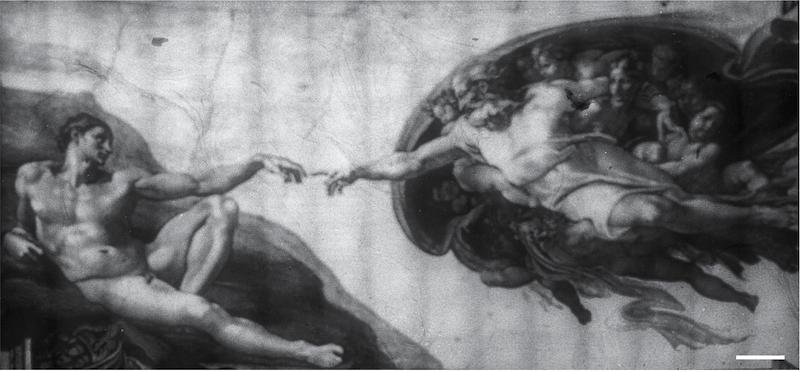
Expansion Microscopy (ExM) promises an easier, more accessible way to image biological features previously only visible via techniques like super-resolution microscopy or electron microscopy. Since its introduction in 2015 by the Boyden Lab, ExM has been steadily growing in ...
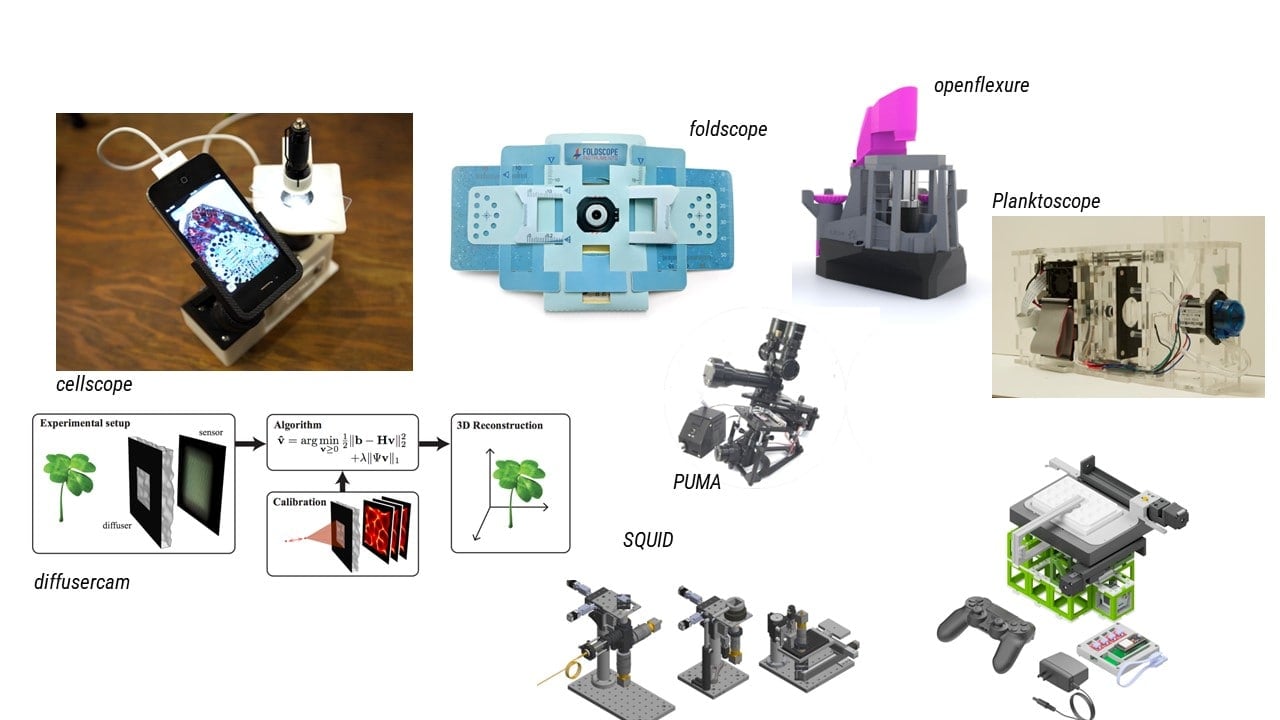
Since its early years, the light microscope has been a powerful tool in almost all disciplines. In biology, innovative new imaging approaches are constantly being developed which combine computational processing with biological protocols and revolutionary physical approaches. ...
Here at Addgene’s headquarters, the skies are getting dark and wintry with the end of year approaching. We’re always looking for something to brighten our day, whether it’s memories of summer or just a bright new plasmid. One area with lots of bright new plasmids is our ...
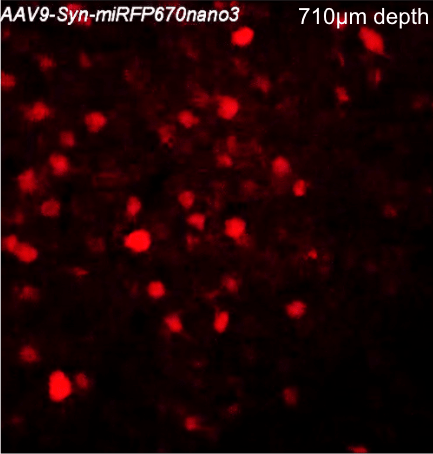
This post was contributed by guest blogger Daria Shcherbakova, a faculty member at Albert Einstein College of Medicine. Several sets of near-infrared fluorescent proteins (NIR FPs) and biosensors have been created recently. As developers of many of these probes, we decided to ...
🎶 “Bye bye L-arabinose drive Put your cultures in the shaker Turn the LEDs on And when you want You can just turn them off No need for any wash No need for any wash…” 🎶 - Barbara Di Ventura If you follow Barbara Di Ventura on Twitter, you might have seen the video of her ...
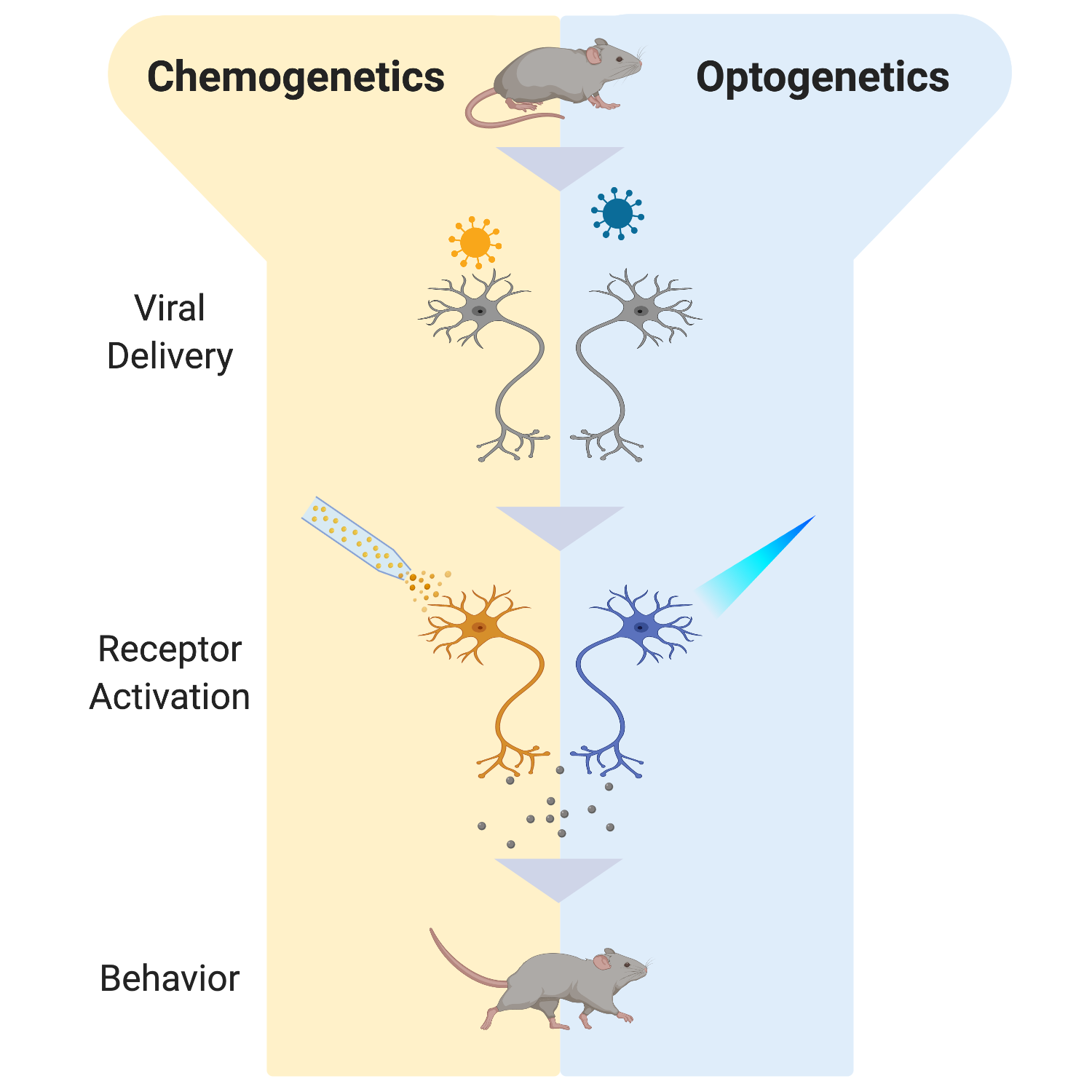
Chemogentic and optogenetic technologies have pushed the boundaries in neuroscience by granting targeted control over neuronal activity. While they serve similar purposes, both techniques offer researchers different advantages and limitations. The four main factors in which ...
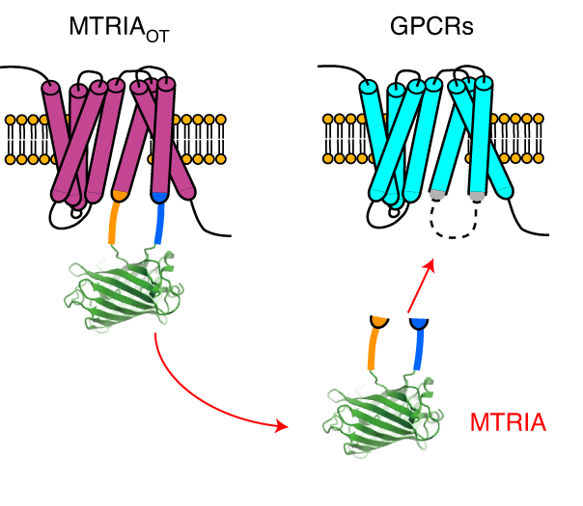
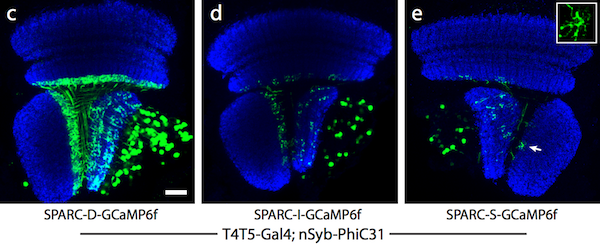
Until recently, there were no completely genetic tools that would allow researchers to label just a fraction of a single genetically-defined subset of cells. By labeling fewer cells in a population, it’s easier to visualize individual/non-overlapping cells. While transgenic ...
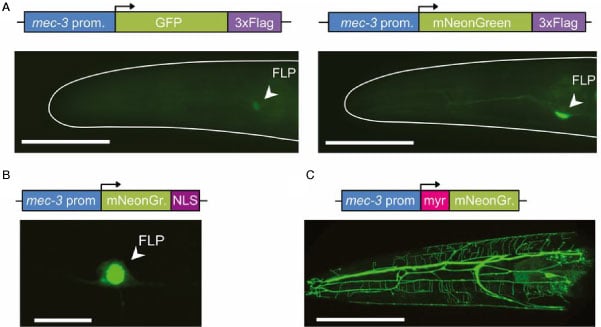
We are excited about our new partnership with Allele Biotechnology which allows researchers to deposit plasmids containing the fluorescent protein mNeonGreen. This fluorescent protein joins mTFP1 and mWasabi, as fluorophores from Allele Biotechnology that now can be deposited at ...