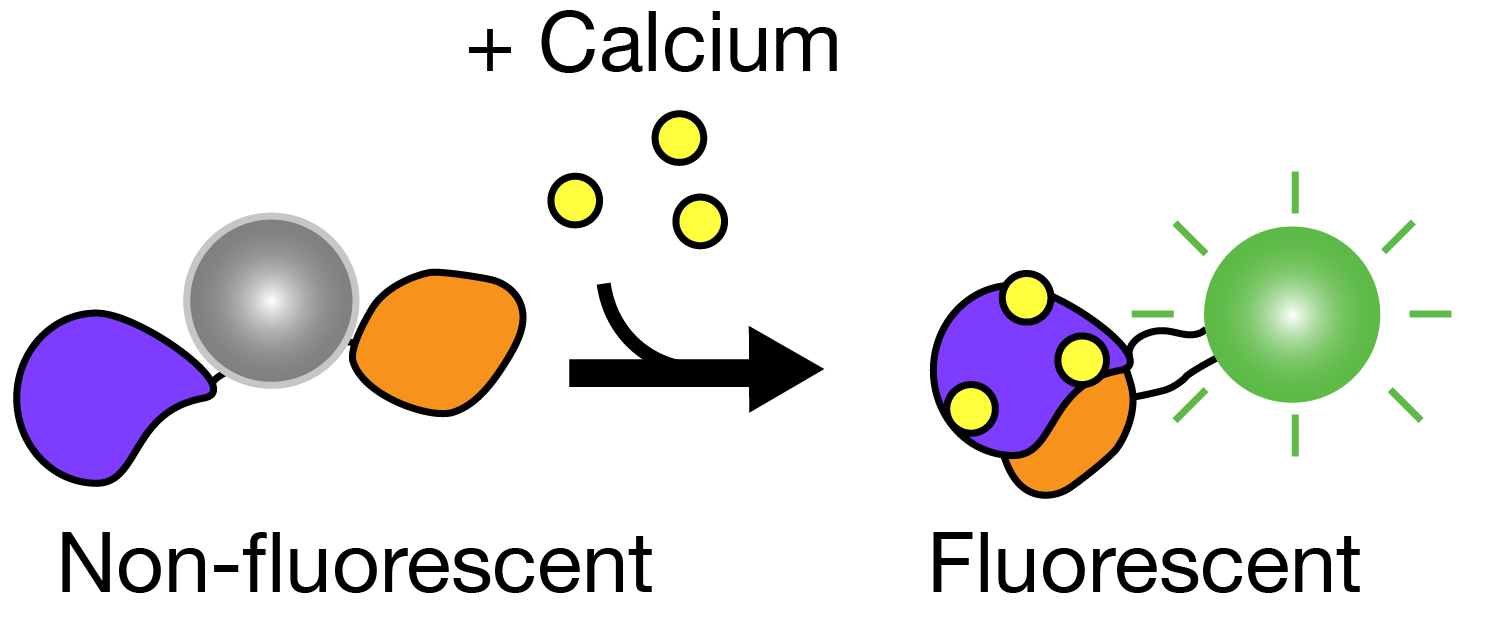
Calcium is arguably one of the most important metal ions in biology (sodium and potassium are up there too!). Calcium is fundamental to muscle and nerve function, hormone secretion, blood clotting, and as we all know, a structural component of bones and teeth. It is an enzyme ...
Expansion Microscopy (ExM) promises an easier, more accessible way to image biological features previously only visible via techniques like super-resolution microscopy or electron microscopy. Since its introduction in 2015 by the Boyden Lab, ExM has been steadily growing in ...
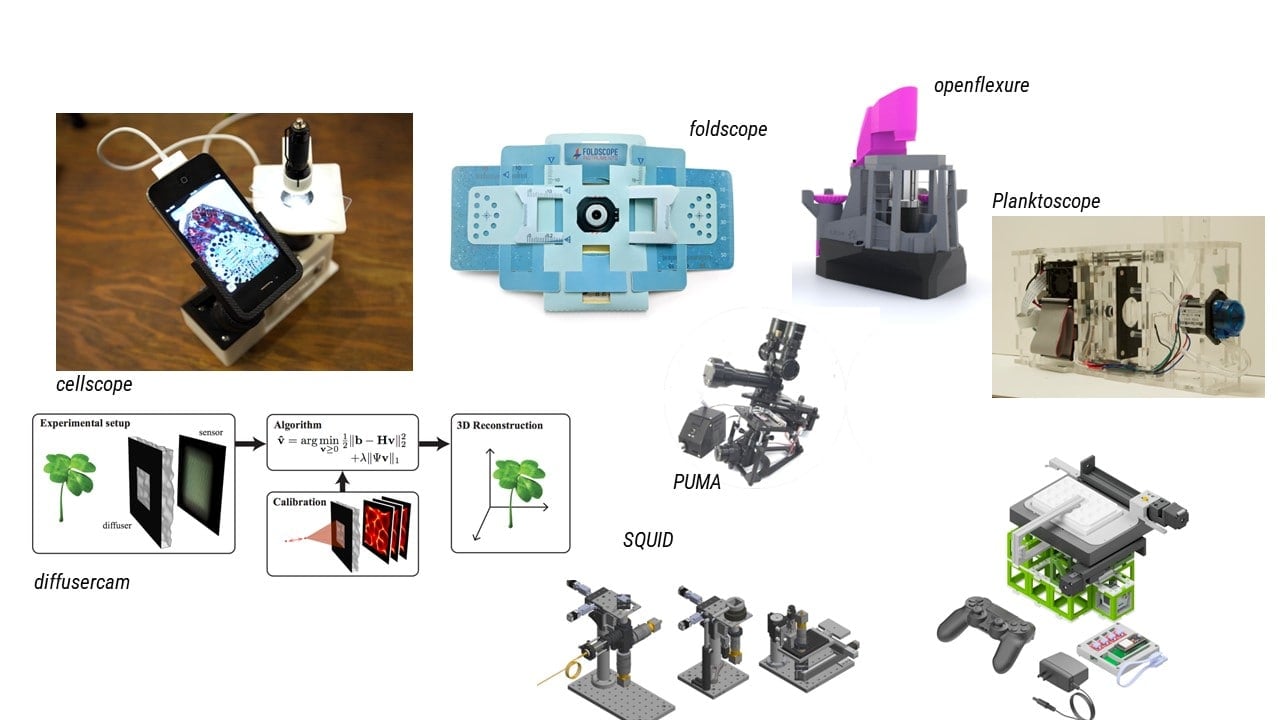
Since its early years, the light microscope has been a powerful tool in almost all disciplines. In biology, innovative new imaging approaches are constantly being developed which combine computational processing with biological protocols and revolutionary physical approaches. ...
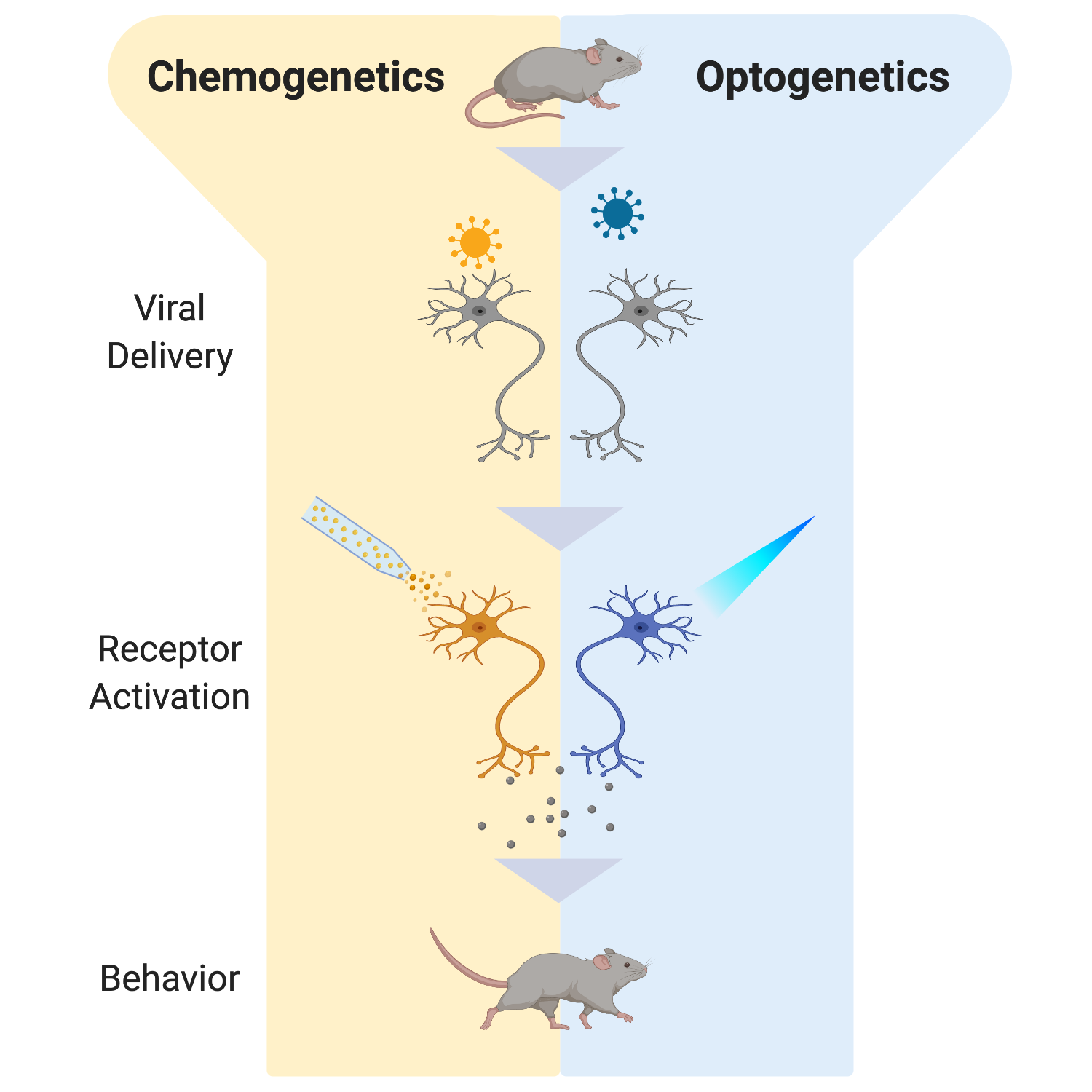
Chemogentic and optogenetic technologies have pushed the boundaries in neuroscience by granting targeted control over neuronal activity. While they serve similar purposes, both techniques offer researchers different advantages and limitations. The four main factors in which ...
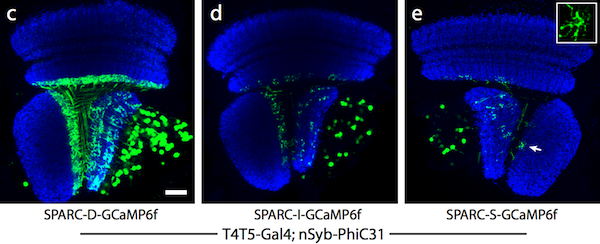
Until recently, there were no completely genetic tools that would allow researchers to label just a fraction of a single genetically-defined subset of cells. By labeling fewer cells in a population, it’s easier to visualize individual/non-overlapping cells. While transgenic ...
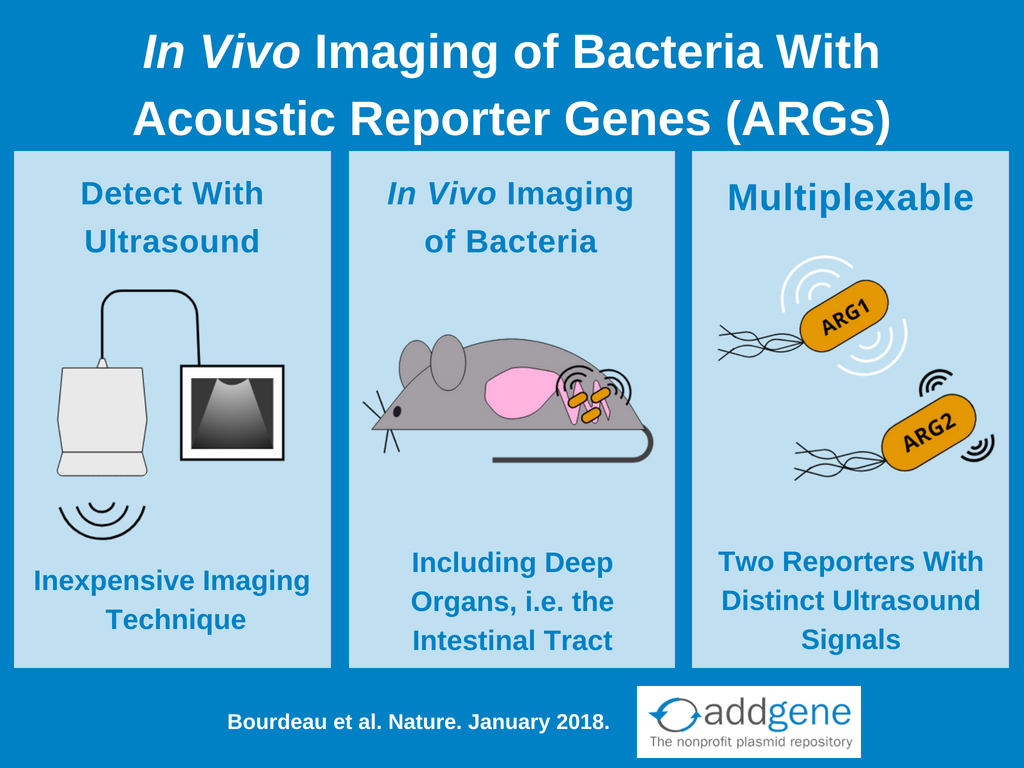
Knowing where bacteria are located within their host is often key to understanding their role in both health and disease. To observe bacteria in action, researchers have developed in vivo bacterial reporters that use fluorophores and luciferases to track bacteria in real time, ...
Since the discovery of GFP over 50 years ago, the growing spectrum of fluorescent proteins (FPs) has been an invaluable resource for studying the organization and function of cellular systems. FPs have been used to track protein localization, cell structure, intracellular ...
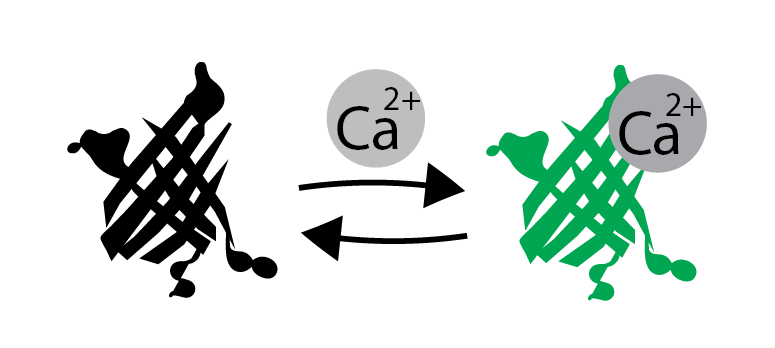
Addgenie Mary Gearing contributed to the content of this article. Biosensors (‘biological sensors’) are biological tools that monitor a process or detect a given molecule. The sensor component is usually a protein that undergoes a conformational change in response to the ...




-min.png)