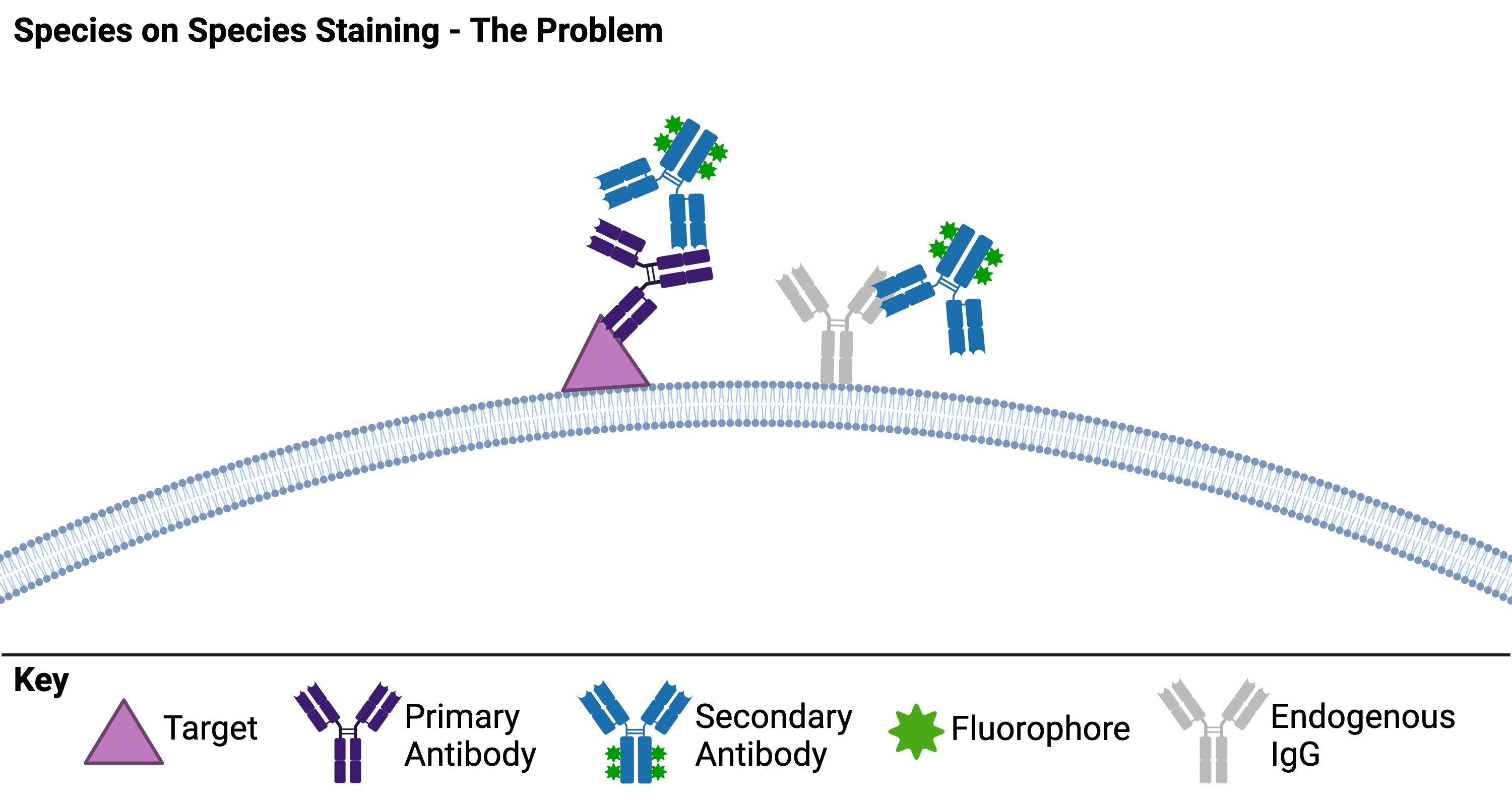
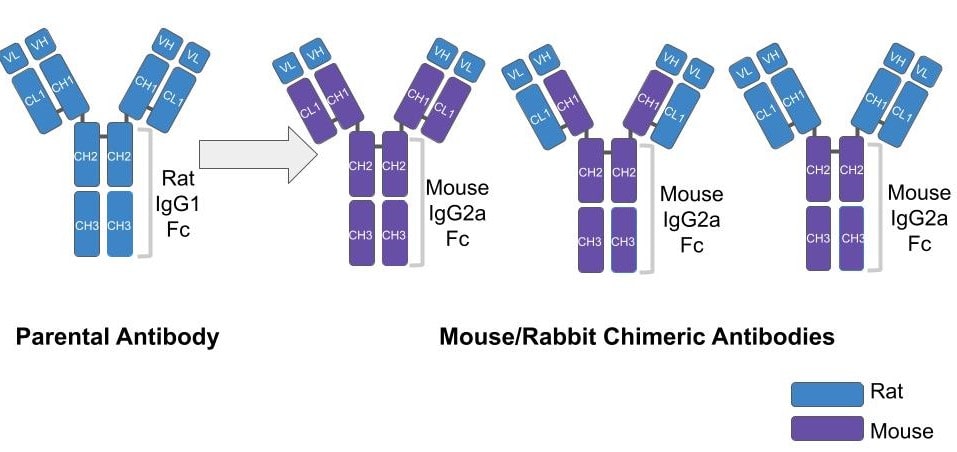
Fighting with antibodies to produce immunohistochemistry images that are crisp, bright, and lacking in non-specific staining can be a challenge in the best of cases. But it can be particularly challenging when your only antibody option is from the same species as your tissue ...
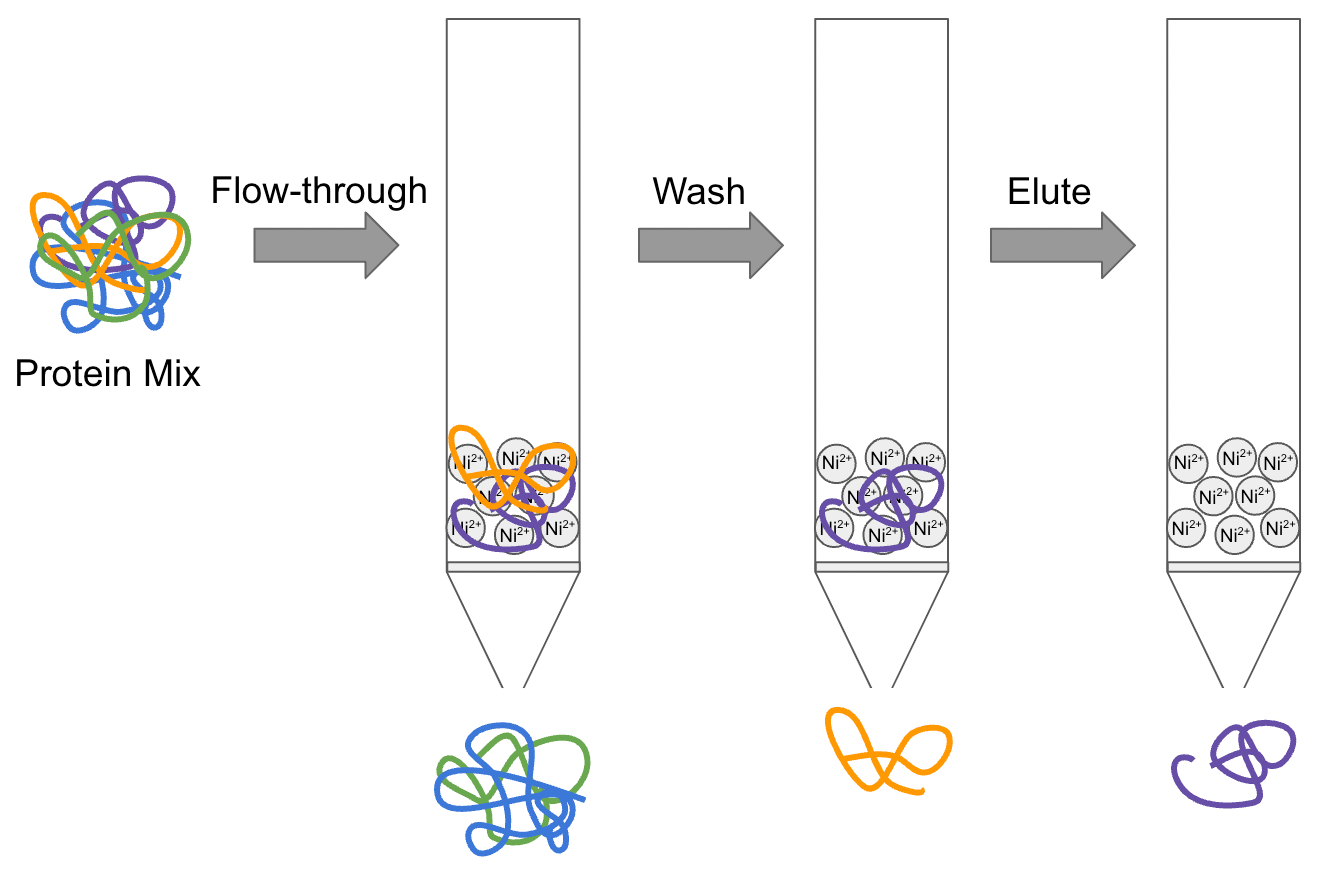
You’ve designed the perfect experiment – controls, conditions, and everything in between – now all you need are some of your favorite proteins purified to carry out your plan. With a little thoughtful planning, affinity tags can make protein purification a cinch. Types of ...
You may be familiar with immunofluorescence (IF, often referred to as immunocytochemistry (ICC) when the sample is cultured cells or immunohistochemistry (IHC) with tissues), where an antibody binds a target protein in your sample, then a fluorescently labeled secondary antibody ...
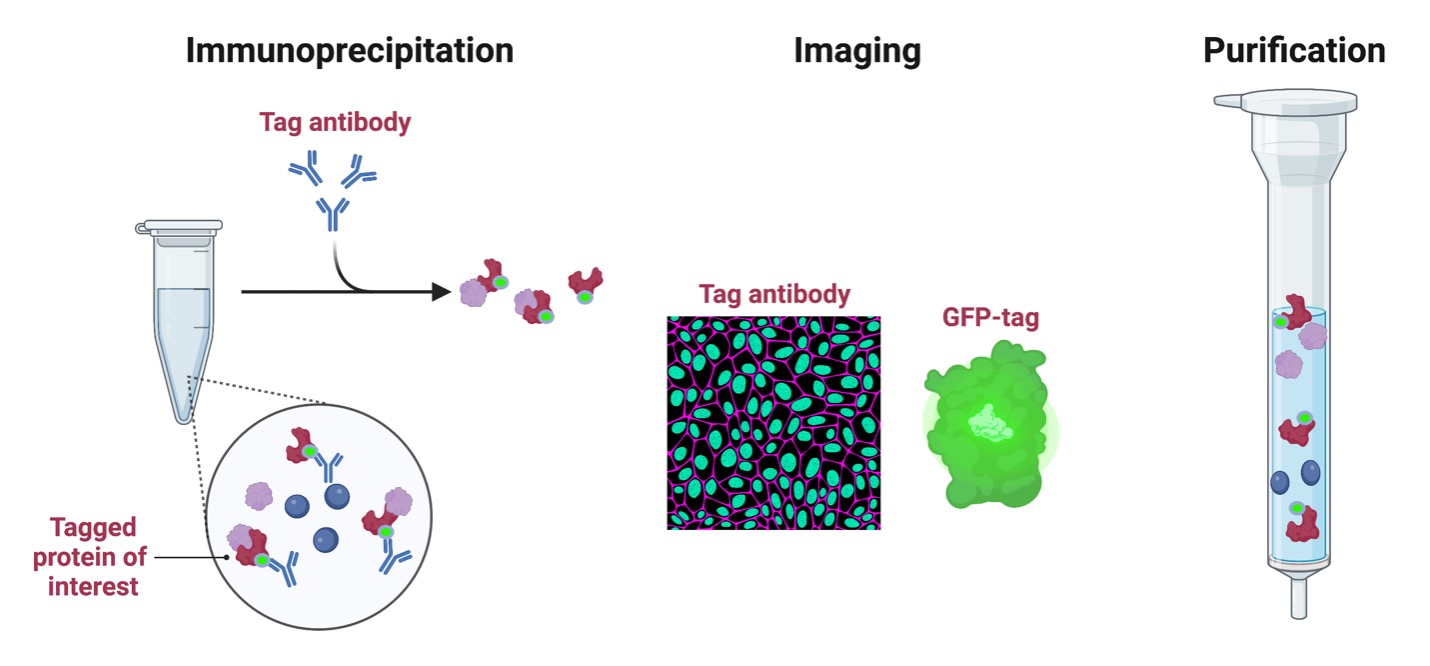
The stress of finding a ‘good’ antibody is something we’ve all experienced. Finding an antibody that works for your application, specifically detects your protein, is species compatible, and doesn’t come with a high background can be a huge challenge. Epitope tags eliminate the ...
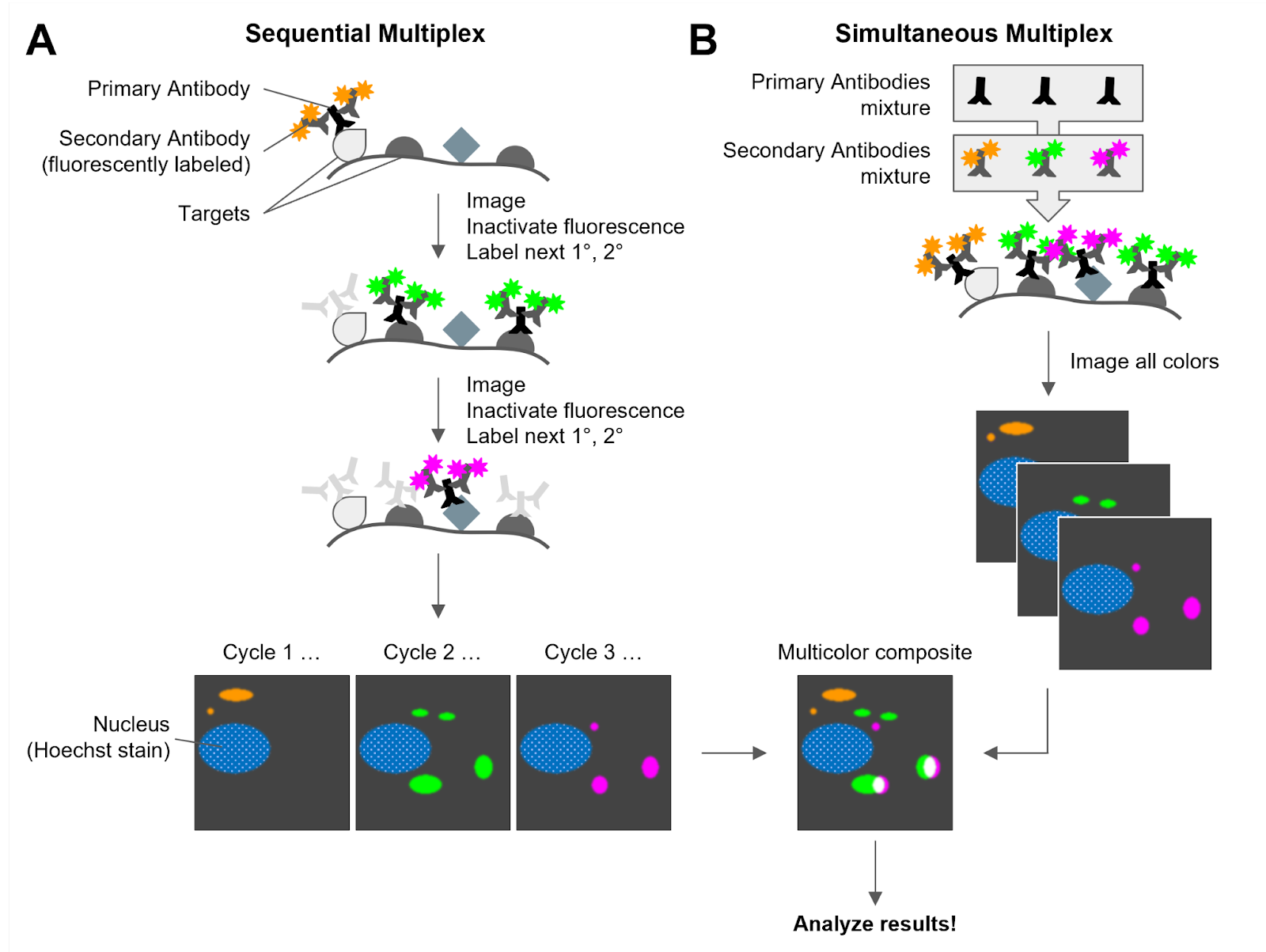
You are a scientist looking to determine how Protein A and Protein B interact. You read extensive research on the two proteins and come up with a great experimental plan that requires indirect staining of both targets in your specimen. You scour the literature and find an ideal ...
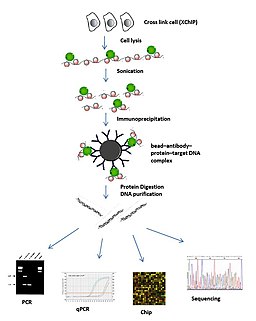
Chromatin immunoprecipitation (ChIP) is an extremely useful technique that provides insight into protein:DNA interactions. ChIP works by using antibodies to capture protein:DNA complexes with antibodies specific to your protein(s) of interest. Once the complex is captured, it is ...
It’s not just the antibodies that matter when you’re prepping for your experiment - there are a number of outside factors that need to be considered as well. In this post, we’ll touch on antibody storage, buffer considerations, and give just the lightest of nods towards ...
If you work in a lab that regularly does immunoimaging, there’s likely a large collection of antibodies in your lab. Perhaps you’re even in that mythical place where antibodies are well-organized, documented, and easy to find (though we might need to see it to believe it.) As ...