If you’ve been following our antibody blog posts, then you likely already have a good idea of the basics of immunoimaging. A scientist conjugates an antibody with a signaling molecule, the antibody binds to a protein, and then voila! Wherever your protein of interest is, a ...
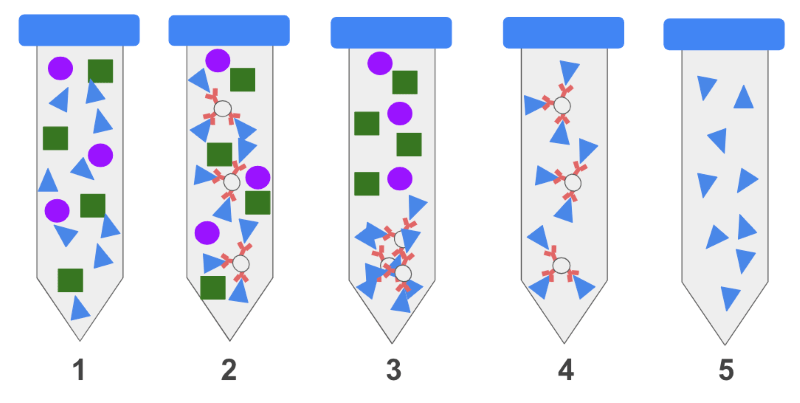
Immunoprecipitation (IP) uses immobilized antibodies, or immunoglobulins, to isolate a specific protein out of a complex mix. Using this technique, users can look for the presence or absence of a protein, determine if a protein is up or downregulated, examine a protein’s ...
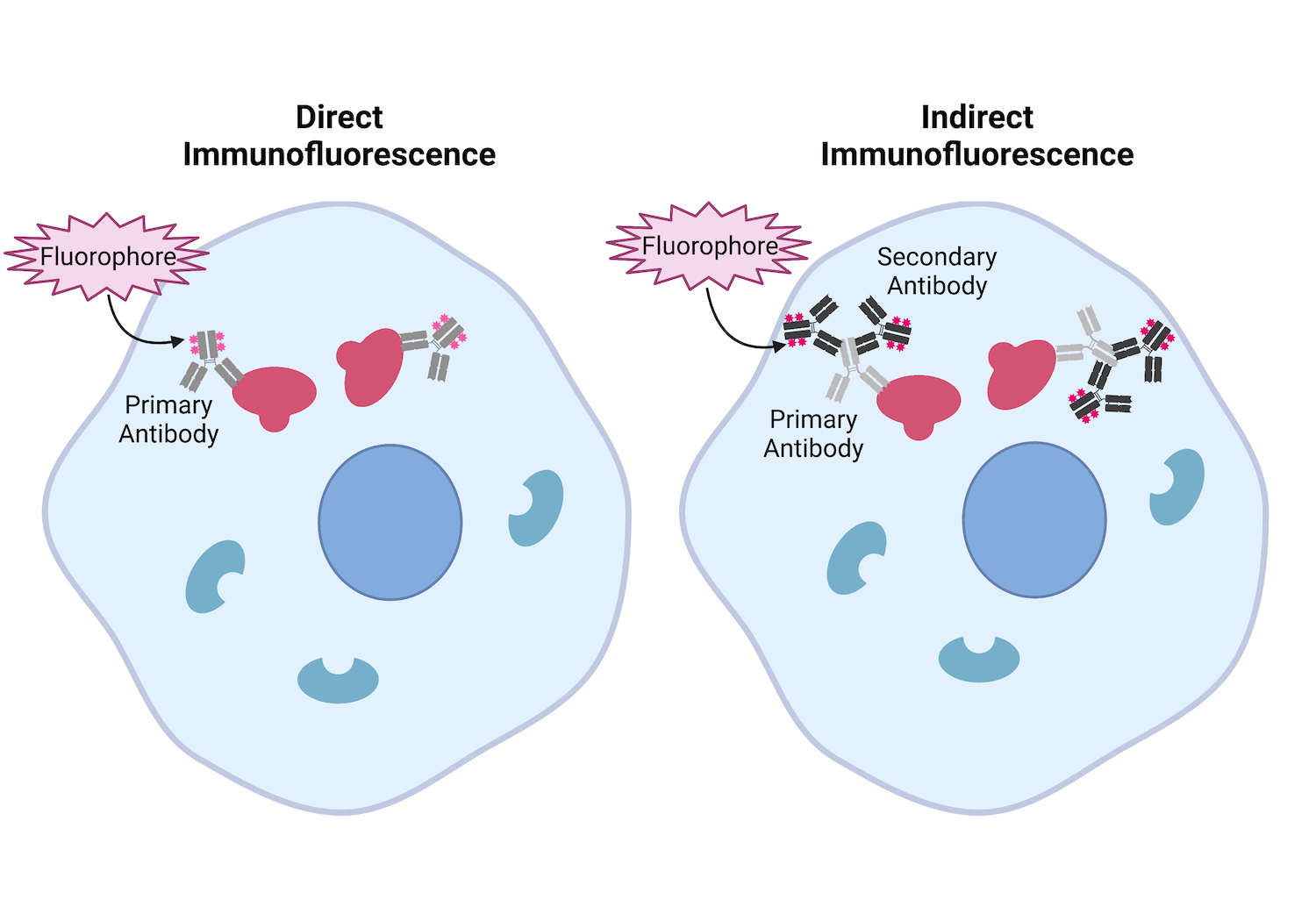
Immunofluorescence (IF), is an immunoassay that brings to light the cellular world. The technique allows you to ask questions like: “Where does my protein of interest live within a cell,” “Does this disease change the architecture of my cells,” or “How does this mutation impact ...
There are a lot of ways to classify antibodies: monoclonal, polyclonal, scFvs, nanobodies, and the list goes on. But have you heard of an antibody isotype? An isotype determines several key characteristics of an antibody as well as the role it plays in an immune response. But ...
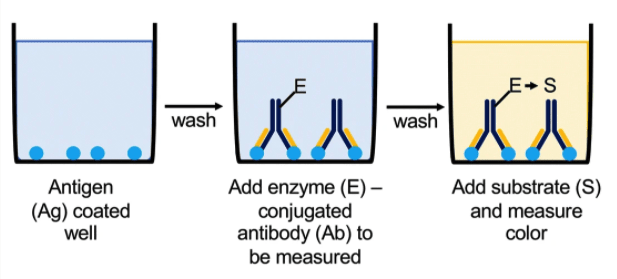
Antibodies are used in many different experiments that require scientists to detect proteins in their samples. One technique that relies heavily on antibodies is ELISA, which stands for Enzyme-linked Immunosorbent Assay. ELISA are used to detect proteins within a 96- or ...
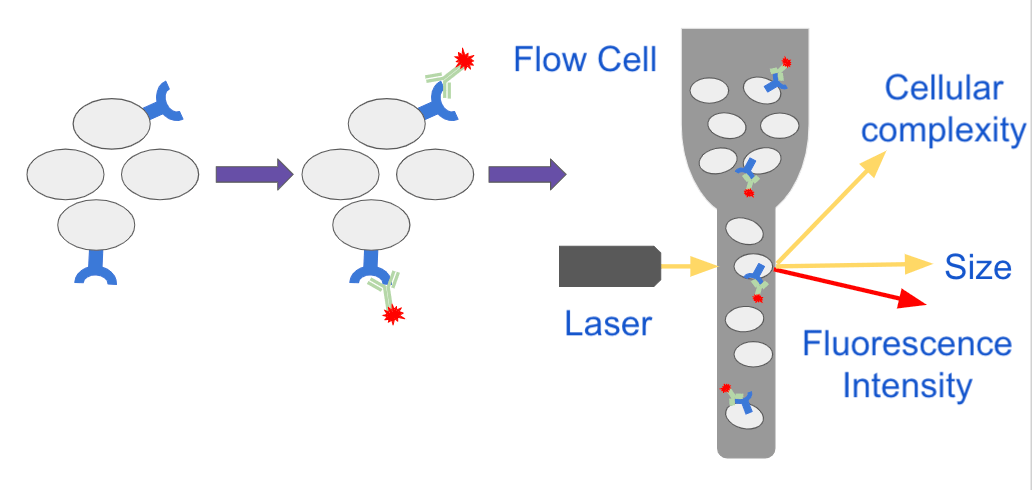
Have you ever wanted to measure expression of your protein of interest in a single cell? Or perhaps, you need to analyze a specific subset of cells in a complex population. Have you spent hours in the biosafety cabinet with cloning rings or following labor-intensive limiting ...
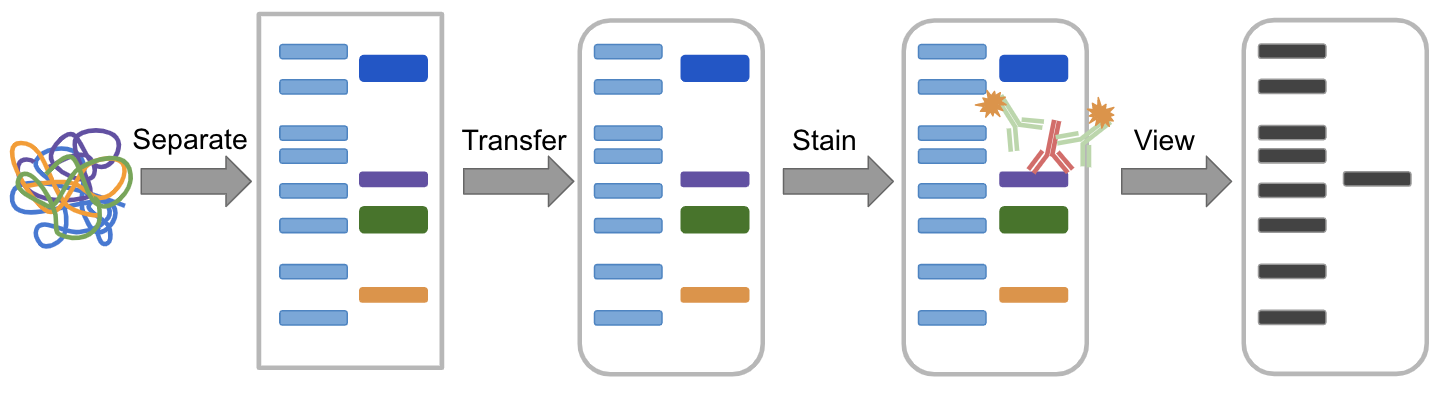
You’ve gotten the plasmid encoding your protein of interest from Addgene, transfected it into your target cells, now what? How can you tell if the protein you are so keen to study is expressing in your cells? Immunoblotting or simply the western blot, or western, is one of the ...