This post was contributed by guest blogger, Jessica Sacher, a microbiology PhD student at the University of Alberta studying with the Szymanski lab. Reasons to study how a phage recognizes its host Bacteriophages (viruses that prey on bacteria) may be the most numerous and most ...
This post was contributed by guest blogger, Kristian Laursen from Cornell University. Site directed mutagenesis is a highly versatile technique that can be used to introduce specific nucleotide substitutions (or deletions) in a tailored manner. The approach can be used in ...
This post was contributed by guest blogger, Krissy Lyon, a PhD candidate in Neuroscience at Harvard University. Just as computers, cell phones, and cars become more technologically advanced leaving earlier versions obsolete, the techniques we use in lab are replaced by improved ...
This post was updated on March 21, 2018. Most of the time, plasmid prepping is a breeze. You get your stab from Addgene, streak for single colonies, sub-culture, and prep with a DNA prep kit or your lab's favorite in-house protocol. DNA yields for this procedure are typically in ...
Molecular cloning requires some method of screening colonies for the presence of an insert. Traditionally this has been done with restriction enzyme digest; however colony PCR can accomplish the same thing in less time and for less money. The key steps to colony PCR are: 1) ...
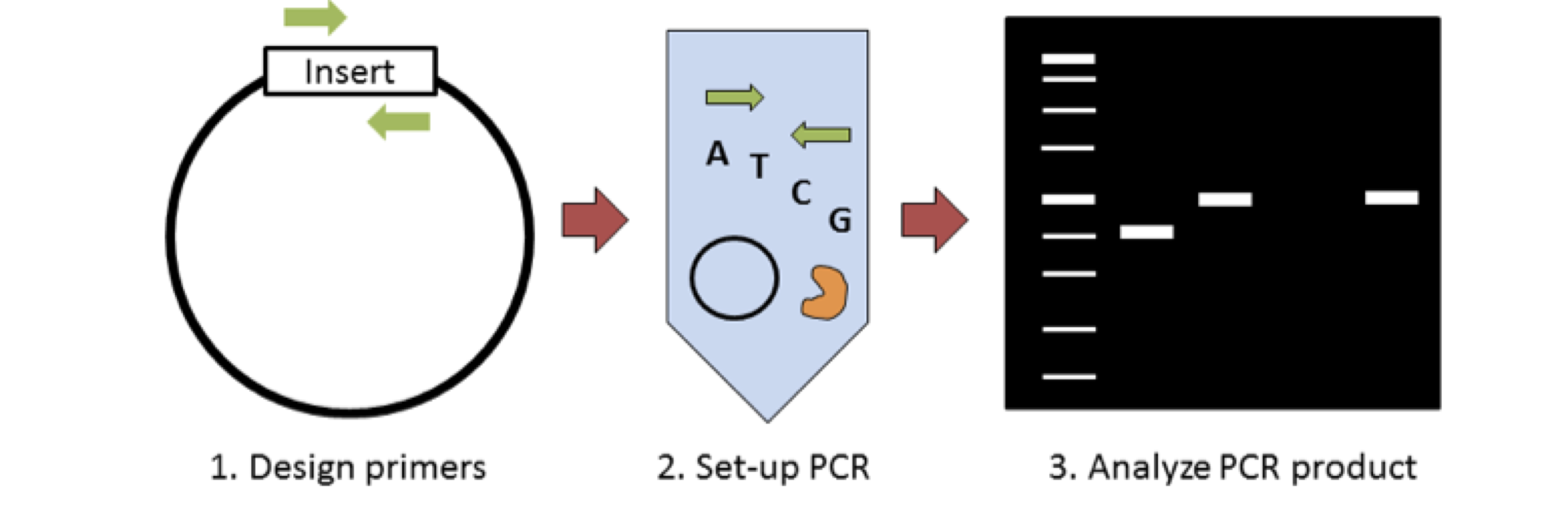
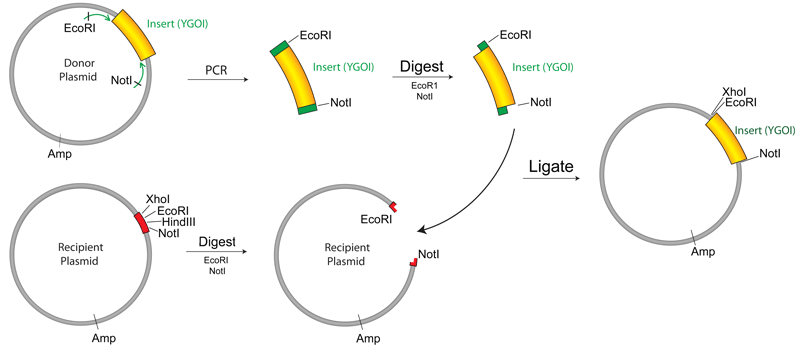
In its simplest form, PCR based cloning is about making a copy of a piece of DNA and at the same time adding restriction sites to the ends of that piece of DNA so that it can be easily cloned into a plasmid of interest. You can use similar processes to add overhangs to your ...
Two hybrid systems were developed in Saccharomyces cerevisiae in 1989 and are still used extensively to screen for molecular interactions in the cell, including protein-protein, protein-DNA and protein-RNA interactions. The 1980s saw a flurry of discovery in the field of ...
Congratulations, you have a plasmid expressing your gene of interest (YGOI) and are ready to dive into your functional experiments! Whether you’ve cloned the plasmid yourself or obtained it from a colleague down the hall, it is always a good idea to take some time to confirm ...