This post was contributed by guest blogger, Krissy Lyon, a PhD candidate in Neuroscience at Harvard University. Just as computers, cell phones, and cars become more technologically advanced leaving earlier versions obsolete, the techniques we use in lab are replaced by improved ...
This blog post was contributed by guest blogger Kate Palozola Traditional lab notebooks just won't cut it for bioinformatics. All kinds of biologists are finding themselves using computational approaches to analyze large data sets (myself included) and we are faced with finding ...
This post was updated on March 21, 2018. Most of the time, plasmid prepping is a breeze. You get your stab from Addgene, streak for single colonies, sub-culture, and prep with a DNA prep kit or your lab's favorite in-house protocol. DNA yields for this procedure are typically in ...
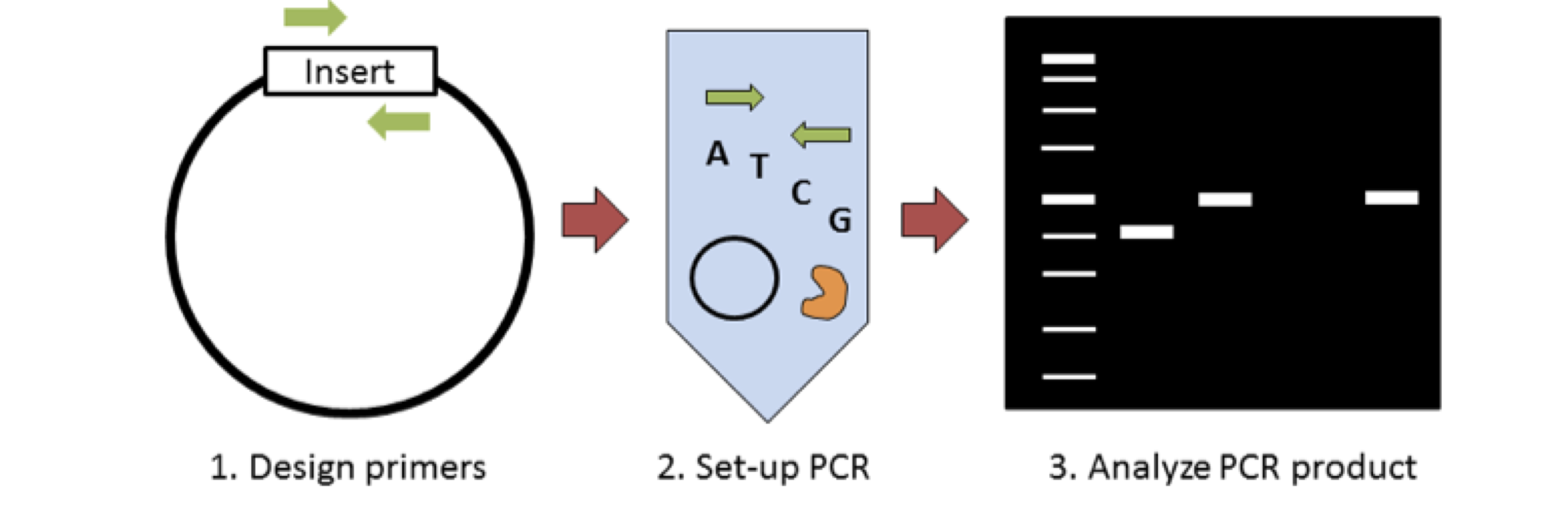
Molecular cloning requires some method of screening colonies for the presence of an insert. Traditionally this has been done with restriction enzyme digest; however colony PCR can accomplish the same thing in less time and for less money. The key steps to colony PCR are: 1) ...
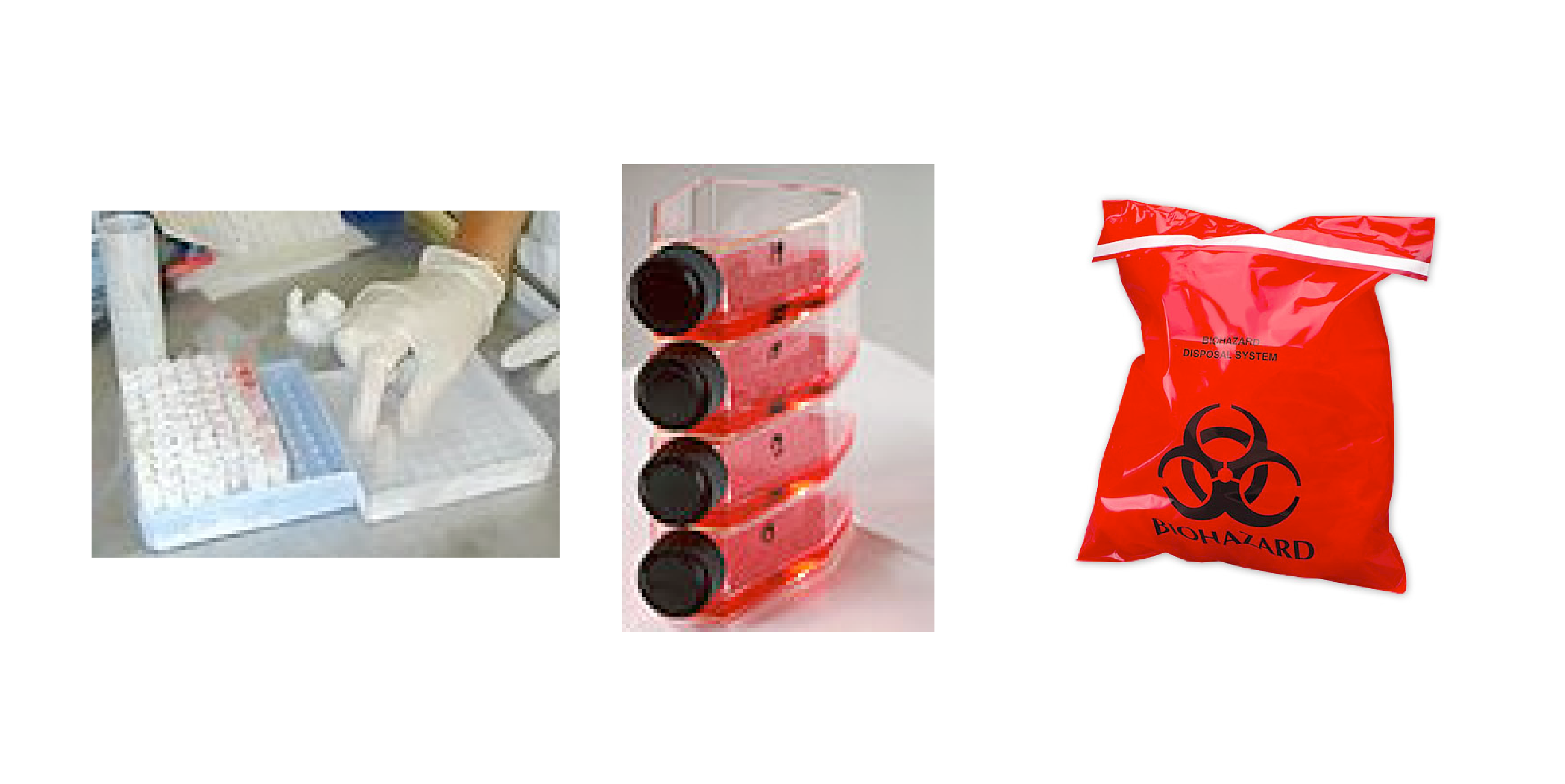
This post was contributed by ATCC Outreach Scientist Nick Amiss. Cell culture in the present day Cell culture is a widespread tool used in the fields of oncology, virology, immunology, microbiology, and pharmacology (many of which are represented in Addgene's Special ...
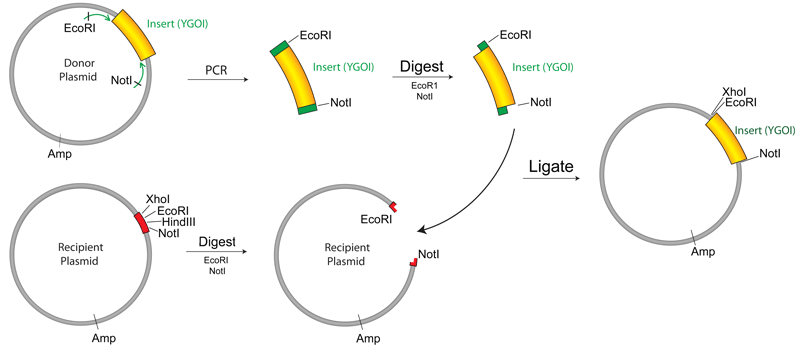
In its simplest form, PCR based cloning is about making a copy of a piece of DNA and at the same time adding restriction sites to the ends of that piece of DNA so that it can be easily cloned into a plasmid of interest. You can use similar processes to add overhangs to your ...
Two hybrid systems were developed in Saccharomyces cerevisiae in 1989 and are still used extensively to screen for molecular interactions in the cell, including protein-protein, protein-DNA and protein-RNA interactions. The 1980s saw a flurry of discovery in the field of ...
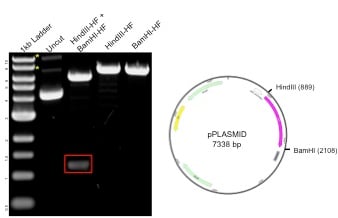
Congratulations, you have a plasmid expressing your gene of interest (YGOI) and are ready to dive into your functional experiments! Whether you’ve cloned the plasmid yourself or obtained it from a colleague down the hall, it is always a good idea to take some time to confirm ...