Master plasmid fundamentals, CRISPR techniques, AAV serotype selection, and antibody applications. Written by scientists, for scientists.
Subscribe
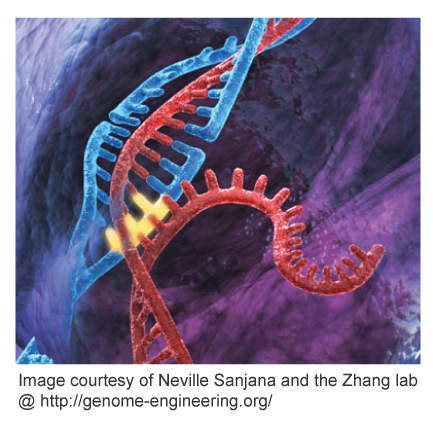
It’s clear that CRISPR-Cas9 technology has really changed the game for anyone looking to quickly and easily manipulate specific genes. But what if you want to study genes all across the genome? Two new human lentiviral CRISPR library systems described in companion papers in ...
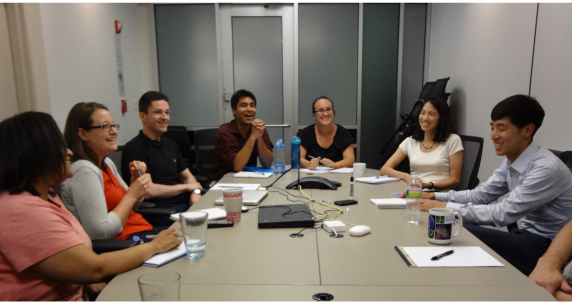
This is the fourth post in the Addgene Blog Mentoring for Scientists Series. I have been thinking a lot about Mentoring for over 10 years. Many successful scientists describe having a “posse” of mentors as one key to their success. But how do you find these elusive teachers, ...
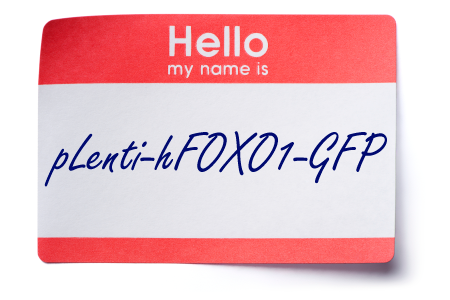
There are no universal rules for naming plasmids but here are some good guidelines to follow in order to ensure that people can quickly and easily identify what your plasmid contains and other important information.
Research at universities typically requires funding from a variety of government and academic institutions. New graduate students may assume that their advisor alone applies for these competitive grant applications; however, in some cases, your advisor may choose to allot some ...
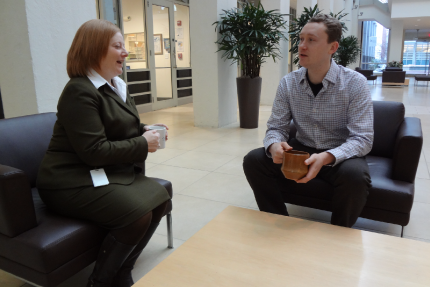
“Learning is not attained by chance, it must be sought for with ardor and attended to with diligence.” - Abigail Adams, 1780 There are potential mentors all around you. This third article in the Addgene Blog Mentoring series will cover 2 of the 7 mentoring questions I set out to ...
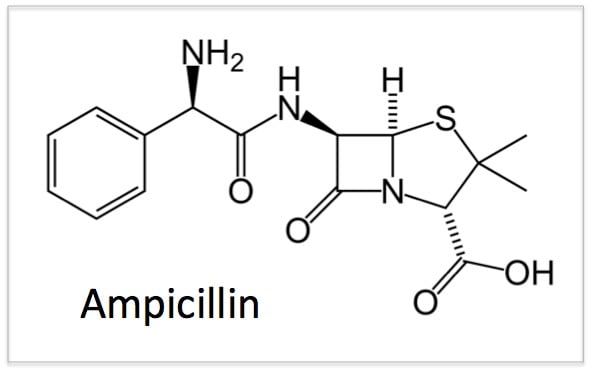
Resistance to antibiotics is a widely used tool in molecular biology, yet scientists rarely stop to think about how much easier it makes our lives. Plasmid transformation into E. coli is a fairly inefficient process– just 1 out of 10,000 cells on average! Without some means of ...
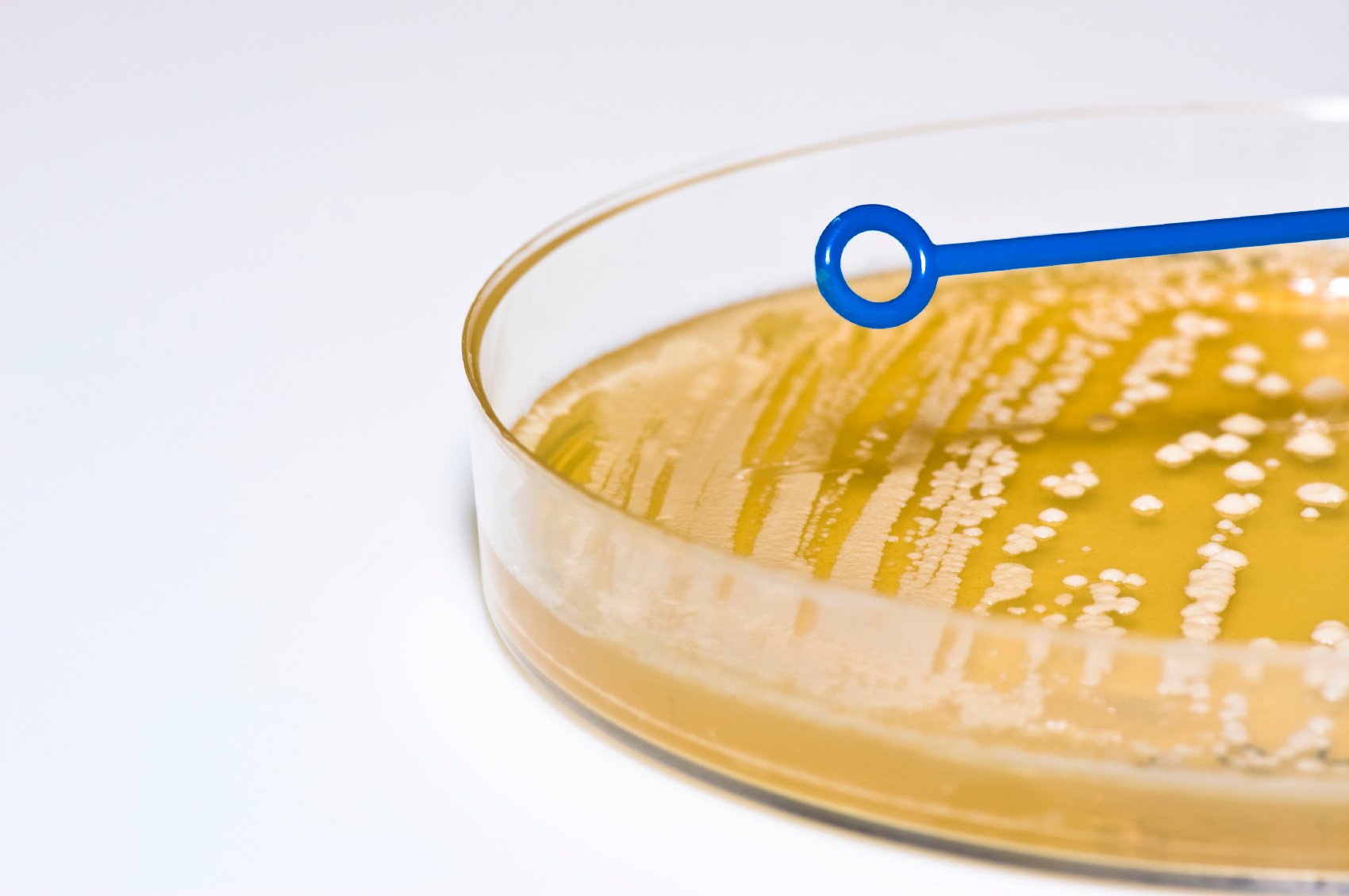
We perform over 100 transformations each week at Addgene, so we need to be cost and time efficient. We do this by making our own competent cells and using a little-known reagent for streamlining the transformation step. Read on to find protocols and tips that you can use in your ...